


The Politicisation of Security: Insecurity as an Instrument of Political Contestation in Nigeria
Translated from English, summarized and contextualized by DistantNews.
At a glance
Analysis
Named sources
Context piece
- In Nigeria, insecurity, particularly kidnappings, escalates as elections approach, fueling suspicions of political manipulation.
- The article argues that the commodification of human suffering for political gain erodes national stability and trust.
- It emphasizes the state's fundamental duty to protect citizens, especially vulnerable groups like schoolchildren, from partisan exploitation.
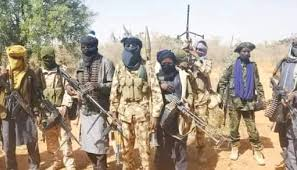
Nigeria's contemporary experience with kidnapping starkly illustrates the troubling phenomenon of insecurity becoming a tool for political contestation. As electoral cycles near, public anxiety often coincides with a noticeable rise in kidnappings, terrorist attacks, and banditry. Whether by chance or design, the timing of these surges inevitably raises public suspicion about who benefits from persistent insecurity. Few things corrode a nation's moral and institutional fabric more than turning human suffering into political expediency. The tragedy deepens when victims are defenseless schoolchildren, primarily from disadvantaged backgrounds, whose sole ambition is education. An attack on vulnerable pupils is an assault on the nation's future prosperity, stability, and intellectual capital. The instrumentalization of insecurity for partisan political ends, ranging from street violence to terrorism and organized kidnapping, represents a profound pathology in Nigeria's democratic landscape. It directly threatens the legitimacy of the state itself, reflecting a severe degeneration of political ethics where human life is subordinated to the ruthless pursuit of power. In such a climate, violence transforms from an unfortunate consequence of instability into a calculated instrument of political strategy. History offers grim lessons: when fear is manufactured or cynically exploited to sway political outcomes, governance becomes a cynical spectacle, public confidence in state institutions erodes, and the social contract fractures. This creates a dangerous cycle where insecurity becomes self-perpetuating, democratic accountability weakens, and the most vulnerable bear the brunt of elite political ambitions. No democratic society can thrive when the suffering of innocents is converted into political currency. The protection of schoolchildren and other vulnerable groups must remain a sacred obligation of the state, insulated from partisan calculations. When citizens' lives become expendable in the contest for power, the nation faces not only a crisis of security but a deeper crisis of conscience. Political philosophers have long argued that a state's legitimacy stems from its ability to maintain order and guarantee citizen security. The modern state, as defined by Max Weber, is fundamentally characterized by its monopoly on the legitimate use of force.
DistantNews Editorial
Originally published by Premium Times in English. Translated, summarized, and contextualized by our editorial team with added local perspective. Read our editorial standards.
More Stories

From Our Blog

How the Same Story Looks Different in Different Countries

What Gets Lost (and Found) When News Is Translated

The Critical Role of Diaspora Media in Global News

What Travellers Should Know About Countries with Restricted Press

A Digital Nomad's Guide to Following Local News
