


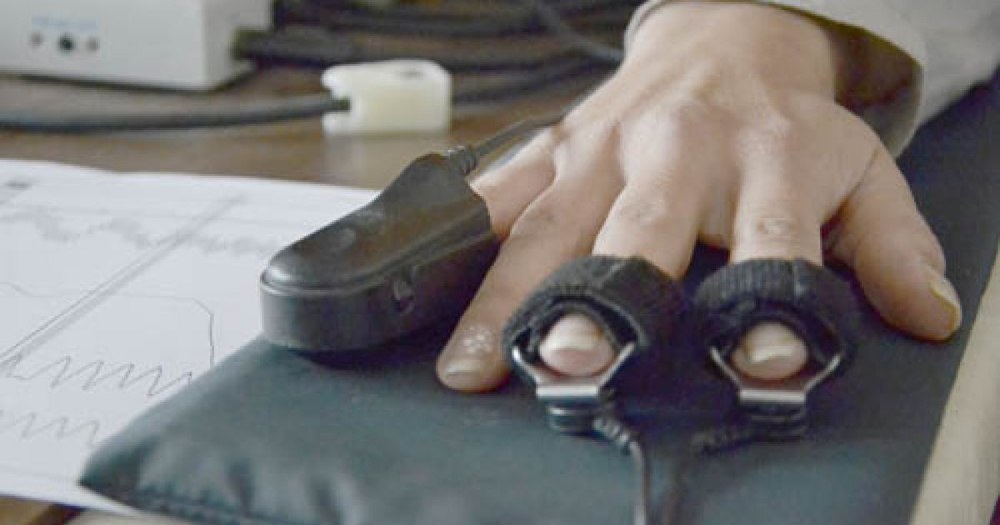
The Polygraph in Job Interviews, a New Abuse in the Labor Market: 'Did You Use Drugs? Do You Want Children?' What Happens to Candidates in Bucharest
Translated from Romanian, summarized and contextualized by DistantNews.
At a glance
News
Named sources
Context piece
- A job applicant in Bucharest was asked to take a lie detector test and answer personal questions during a marketing interview.
- Refusing the test could lead to disqualification, according to the applicant's account.
- Labor law specialists state that such practices are illegal and violate privacy rights, as hiring should focus solely on professional qualifications.
A recent case in Bucharest has reignited debate over the legal and ethical boundaries of job recruitment. A young woman seeking a marketing position reported being asked to undergo a lie detector test during her interview. She was allegedly warned that refusal would result in her elimination from the selection process.
Labor law experts and human resources specialists assert that such practices are impermissible in hiring. They emphasize that candidate verification must strictly pertain to professional competencies and respect an individual's right to privacy, prohibiting intrusive inquiries into personal matters. The situation raises concerns not only about recruitment ethics but also about legal compliance, particularly if questions extended beyond professional scope to personal life, including illicit substance use.
The lie detector test is illegal in job interviews. Employers have a multitude of other options to test candidates. There are so-called psychological test batteries, they can be invited to several interview stages until they clarify whether that candidate matches the profile the employer is looking for. To conduct polygraph tests and ask if that candidate intends to have children is an abuse. It is intrusive.
Romanian labor law stipulates that while employers must verify a candidate's professional and personal aptitudes, this verification must be relevant to the job and cannot infringe upon privacy rights. Legislation governing labor and personal data protection clearly restricts the information employers can solicit. Questions or assessments unrelated to professional activity, such as those concerning intimate life, family plans, religious or political affiliations, are prohibited.
Human resources consultant Doru Șupeală described the use of lie detector tests in hiring as illegal and abusive, violating GDPR principles. He stated that employers have numerous alternative methods for assessing candidates, including psychological tests and multiple interview stages. Șupeală stressed that lie detector tests and questions about intentions to have children, religious or political orientation, or private leisure choices are strictly forbidden because they do not aim to evaluate job suitability. Any deviation from this rule constitutes an abuse.
The polygraph test, questions about the intention to have children, about religious or political orientation, or about intimate choices during leisure time are strictly prohibited because they do not aim to assess the ability to hold the position. Any deviation from this rule is an abuse.
DistantNews Editorial
Originally published by Adevărul in Romanian. Translated, summarized, and contextualized by our editorial team with added local perspective. Read our editorial standards.
More Stories



From Our Blog

What Gets Lost (and Found) When News Is Translated

The Critical Role of Diaspora Media in Global News

What Travellers Should Know About Countries with Restricted Press

A Digital Nomad's Guide to Following Local News

How the Same Story Looks Different in Different Countries
