


The regulator is delivering results, yet Péter Magyar’s allies would abolish it
Translated from Hungarian and summarized by DistantNews. Read the original for the full story.
At a glance
Press release
Official statement
Context piece
- Hungary’s SZTFH says it has pushed illegal online gambling operators and tobacco webshops out of the market and strengthened youth-protection measures.
- The authority cites thousands of tobacco-shop inspections, blocked illegal websites, a new geothermal regulatory framework and a cybersecurity audit system.
- It argues that EU law requires some state functions to be handled by an independent regulator with rule-making powers.
Hungary’s gambling and tobacco regulator says it has produced strong results in areas that directly affect young people, even as Péter Magyar’s political camp proposes abolishing the authority.
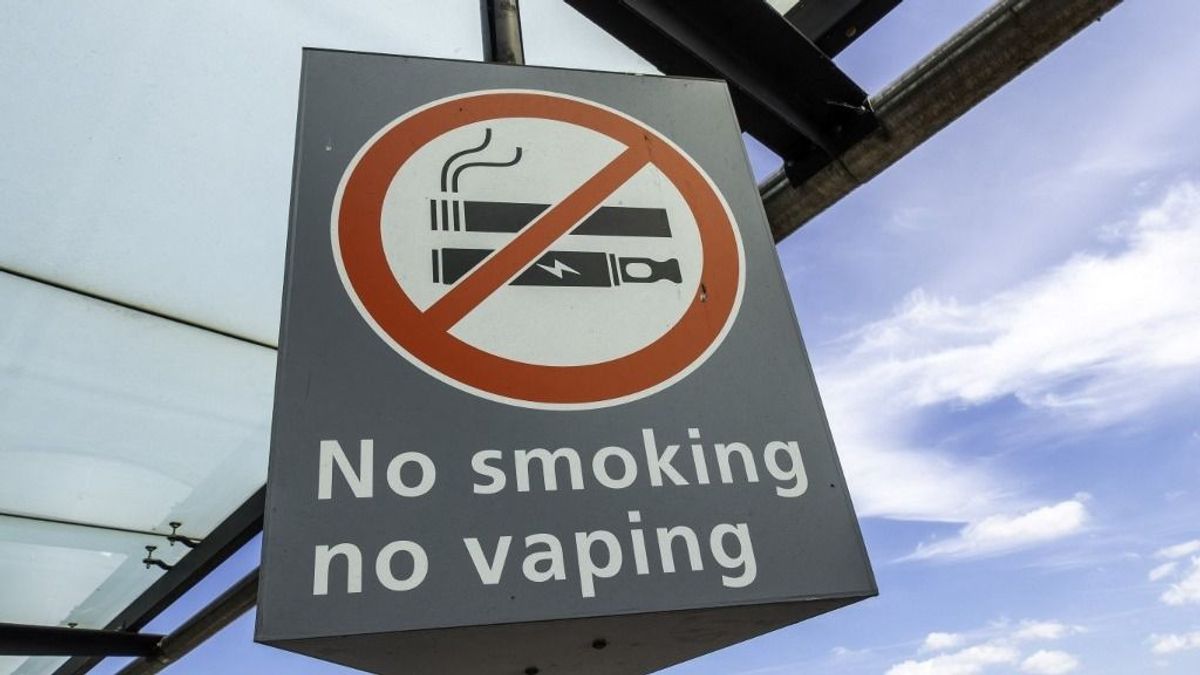
The SZTFH says it has helped drive illegal online gambling operators out of the market. In the tobacco sector, it points to inspections of tobacco shops carried out on a scale of tens of thousands, followed by consistent enforcement and the blocking of illegal webshops. The authority presents those measures as part of a broader effort to strengthen youth protection through regulation.
Its remit extends beyond gambling and tobacco. In mining and geology, the regulator says it created a new and effective framework for geothermal energy. It also developed a system designed to support the sustainability and long-term competitiveness of Hungarian businesses.
Cybersecurity is another area highlighted by the authority. With the SZTFH’s participation, Hungary became one of the first countries in the European Union to establish a national audit framework. Nearly 90 percent of the economic operators covered by the framework successfully met its audit requirements.
The office also argues that its institutional independence is required by EU law in several fields. Where member states must implement obligations arising from EU rules, those tasks may need to be handled by an administrative body independent of the central government and equipped with autonomous regulatory powers. In Hungary’s constitutional system, the SZTFH says, that requirement can be met by assigning the work to an independent regulatory authority.
The regulator describes itself as an established part of Hungary’s public administration, with more than 400 employees and recognized expertise across its fields. It says it participates in international regulatory cooperation and performs its duties transparently, predictably and with the public interest, legal certainty and the long-term interests of the Hungarian economy in mind.
About this summary
Originally published by Magyar Nemzet in Hungarian. Translated, summarized, and contextualized automatically by DistantNews, with a note on how the source frames the story. Not individually reviewed before publishing. How this works.
More Stories


From Our Blog

Countries Without a Free Press: What You Need to Know

What Press Freedom Means for the News You Read

What Gets Lost (and Found) When News Is Translated

The Critical Role of Diaspora Media in Global News

What Travellers Should Know About Countries with Restricted Press
