




The Shield Is Fine, But What About the Heel?
Translated from Turkish and summarized by DistantNews. Read the original for the full story.
At a glance
Opinion
Sources not specified
Context piece
- A Turkish commentary examines the name “Achilles Shield” for a defense project signed by Greece and Israel.
- It contrasts Achilles’ protective shield with his famous vulnerable heel, and likens the name to calling a giant warship Titanic.
- The article also discusses the documentary series “The Night of a Century,” the late artist Serhat Kılıç and a slip of the tongue by Özgür Özel.
The shield is only half of the Achilles story. In Greek mythology, Achilles’ mother made him a shield of gold, silver and bronze before he went to the Trojan War. It was meant to protect him from swords, arrows and spears.
The heel, however, is what people remember most. Achilles’ mother dipped him into a sacred river as a baby to make him immortal, but she held him by the heel. That part remained vulnerable, becoming the warrior’s greatest weakness and the easiest place to strike.
That is why the name “Achilles Shield” for the defense project signed by Greece and Israel raises an uncomfortable question. The shield is fine, but what about the heel? Seen from that angle, naming the project after Achilles slightly recalls naming a giant warship Titanic.
The article then turns to the way modern audiences know Achilles. Even people who have never read a line of Greek mythology are likely to know him from the film “Troy,” in which Brad Pitt played the famous warrior.
It also praises the finale of “The Night of a Century,” a documentary series about July 15 filled with dramatizations, archive footage and testimonies. The author highlights the many turning points of that night, the role of the armed forces and police, and the moment citizens took to the streets. The author says President Recep Tayyip Erdoğan’s words in the finale, including “We have surrendered ourselves to the Lord of the Worlds,” were deeply emotional, and congratulates the book’s author, Hüseyin Aydın.
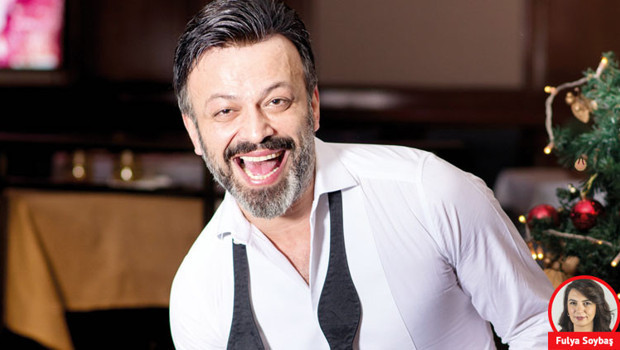
The piece remembers Serhat Kılıç, whom the author did not closely follow but came to view, after his death, as a socially concerned artist with strong friendships who gave life to his characters and sang songs and folk music beautifully. It closes by calling Özgür Özel’s use of “İYİ Party” instead of “New Party” an understandable slip, while insisting that the confusion still sounded strange coming from a party leader.
We have surrendered ourselves to the Lord of the Worlds.
About this summary
Originally published by Hürriyet in Turkish. Translated, summarized, and contextualized automatically by DistantNews, with a note on how the source frames the story. Not individually reviewed before publishing. How this works.
More Stories

From Our Blog

News in Translation: What Gets Lost, and How We Keep the Framing

Diaspora Media: How Communities Follow News From Home

Traveling Where the Press Is Not Free: How to Read the News There

The Digital Nomad's Guide to Local News

The Same Story, Different Countries: How Coverage Changes at the Border
