


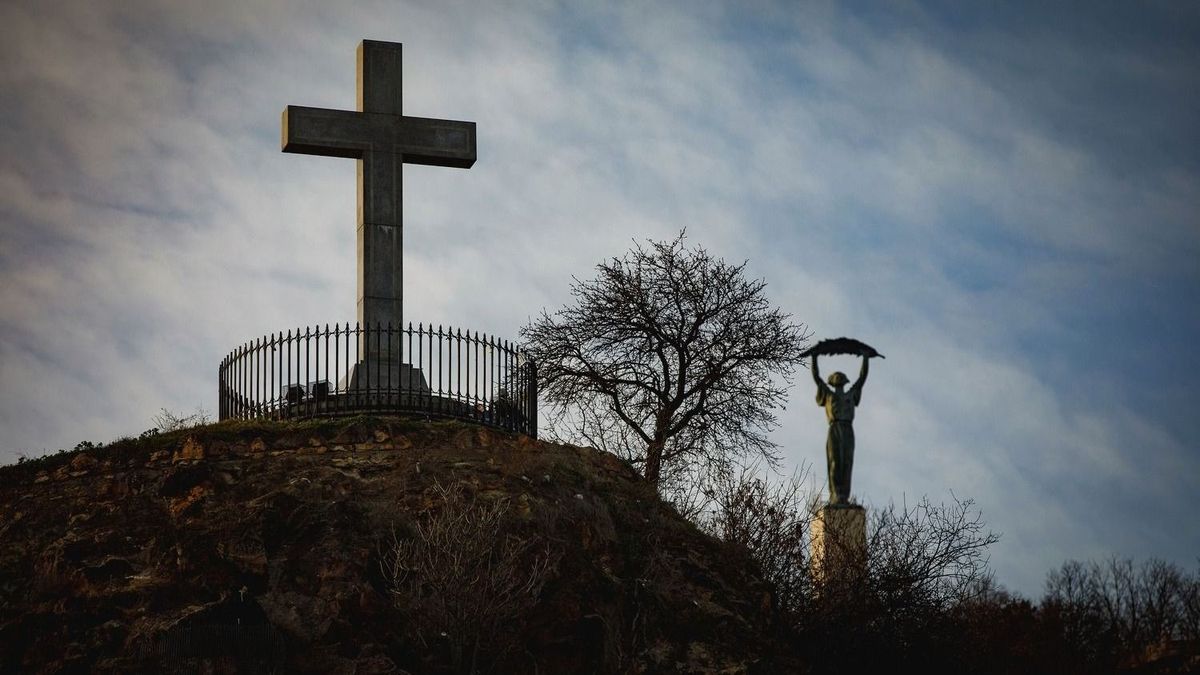
The significance of hope in politics
Translated from Hungarian, summarized and contextualized by DistantNews.
At a glance
Opinion
Sources not specified
Context piece
- The article discusses the significance of hope in politics, particularly for the "national side" in Hungary.
- It suggests that shared values rooted in faith provide a strong foundation for community and mutual trust.
- The text contrasts this with a perceived "aggressive" rhetoric from opposing political sides that aims to sow distrust and hopelessness.
The concept of hope plays a crucial role in the political landscape, particularly for what the article terms the "national side" in Hungary. A recent development, the establishment of the Védvonal, is presented as a positive manifestation of this hope.
The article posits that a strong belief in divine providence fosters greater mutual trust and reliance among people. It argues that the "national side" has cultivated community-based values over the past sixteen years, creating a resilient foundation that cannot be undermined by the opposing side's rhetoric. This rhetoric is characterized as divisive, hopelessness-inducing, and aggressively emotional, aiming to sow distrust.
In contrast, the article asserts that the values of the "national side" are deeply rooted in faith, providing a source of hope that cannot be taken away, regardless of circumstances. This hope is described as belonging to "patriots" who, with divine assistance, diligence, trust in others, and self-confidence, have built something enduring and unshakeable.
This enduring creation serves as a constant support, even when faced with a future potentially flooded with distrust, despair, and unrestrained aggression. The article concludes by emphasizing that these objective values and the hope grounded in them offer a steadfast anchor.
DistantNews Editorial
Originally published by Magyar Nemzet in Hungarian. Translated, summarized, and contextualized by our editorial team with added local perspective. Read our editorial standards.
More Stories
From Our Blog

Countries Without a Free Press: What You Need to Know

What Press Freedom Means for the News You Read

What Gets Lost (and Found) When News Is Translated

The Critical Role of Diaspora Media in Global News

What Travellers Should Know About Countries with Restricted Press
