

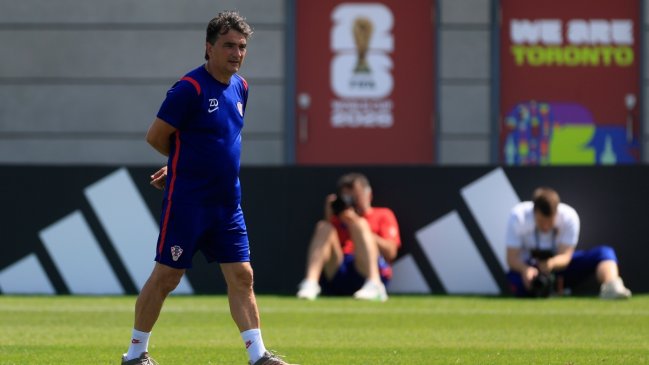
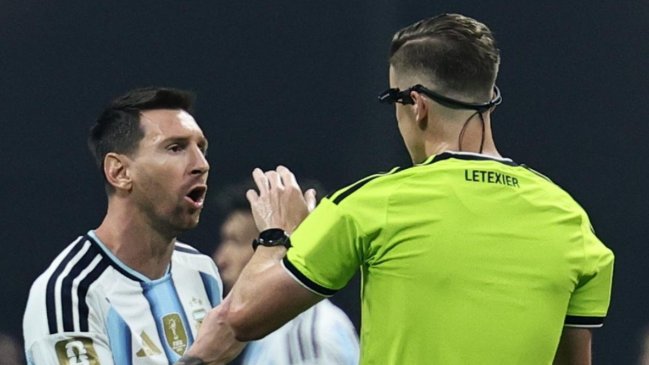
The Telegraph Analyzes 'Fix' Accusations Around Argentina's World Cup Run
Translated from Spanish, summarized and contextualized by DistantNews.
At a glance
Analysis
Named sources
Context piece
- The Telegraph analyzed theories accusing FIFA of favoring Argentina in the 2026 World Cup following their controversial 3-2 win over Egypt.
- The British newspaper found no evidence of match-fixing but noted the controversy escalated after the match.
- Egyptian claims, a disallowed goal, and a decisive goal for Argentina fueled suspicions, amplified by social media and past incidents.
British newspaper The Telegraph has examined accusations of match-fixing surrounding Argentina's performance in the 2026 World Cup, particularly after their contentious 3-2 victory against Egypt in the round of 16. While the analysis found no concrete evidence to support claims of a rigged game, it acknowledged that the controversy has intensified.
The scrutiny intensified following the match in Atlanta due to several key moments. These included a disallowed goal for Egypt's Mostafa Ziko and the validation of what proved to be the decisive goal for Argentina, scored by Enzo Fernández. These decisions, coupled with Egypt's official complaint to FIFA, fueled speculation online.
The Telegraph's report, authored by journalist Ben Rumsby, also referenced past incidents that have contributed to the growing suspicions. One such event involved Lionel Messi's challenge on Algeria's Aissa Mandi during the group stage, where Messi avoided a red card despite a hard tackle. The analysis included opinions from former players who believed Messi's action warranted a more severe penalty, adding to the narrative of perceived preferential treatment.
These elements, combined with the widespread nature of social media discussions, have created an environment where theories of FIFA favoring Argentina gain traction, even in the absence of definitive proof. The report highlights how controversial calls and high-profile incidents can ignite debate and distrust in major sporting events.
DistantNews Editorial
Originally published by Cooperativa in Spanish. Translated, summarized, and contextualized by our editorial team with added local perspective. Read our editorial standards.
More Stories

From Our Blog

What Gets Lost (and Found) When News Is Translated

The Critical Role of Diaspora Media in Global News

What Travellers Should Know About Countries with Restricted Press

A Digital Nomad's Guide to Following Local News

How the Same Story Looks Different in Different Countries
