

The Tentacles of Don Berna, the AUC and La Oficina That Helped José Ignacio Mesa Reach Envigado City Hall and the Senate
Translated from Spanish and summarized by DistantNews. Read the original for the full story.
At a glance
News
Documents & data
Outcome reported
- Colombia’s Supreme Court upheld José Ignacio Mesa Betancur’s conviction over links to La Oficina de Envigado and the United Self-Defense Forces of Colombia, or AUC.
- The court found that Mesa reached agreements with La Oficina from 1994 to secure support for his successful bids for mayor of Envigado in 1995 and senator in 1998 and 2002.
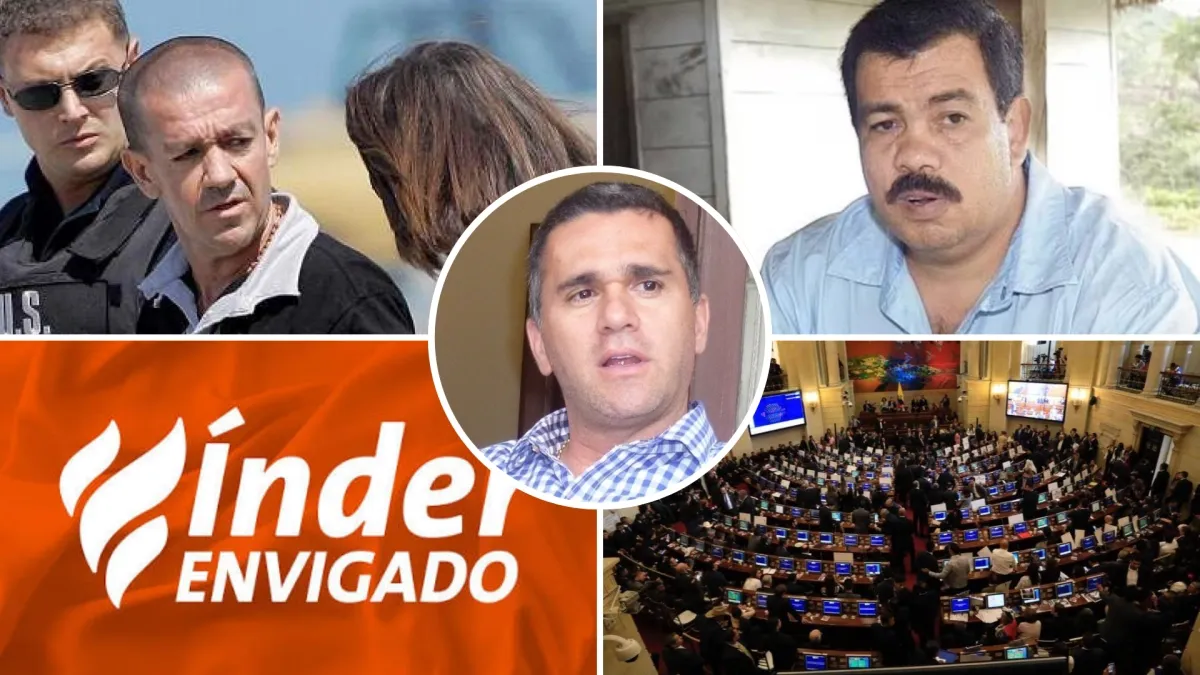
- Testimony from Juan Carlos Sierra, known as El Tuso, and former paramilitary leader Diego Fernando Murillo Bejarano, known as Don Berna, linked Mesa to the criminal structure.
José Ignacio Mesa Betancur’s political rise in Envigado and Colombia’s Senate was supported, according to the Supreme Court, by criminal structures that expected influence in return. The court upheld his conviction over ties to La Oficina de Envigado and the AUC.
The court’s first-instance chamber concluded that Mesa entered into an agreement with La Oficina in 1994, a year before he won the mayoralty of Envigado. The purpose, it said, was to obtain backing for the candidacies that took him to the mayor’s office in 1995 and to the Senate in 1998 and 2002. In return, Mesa managed the interests of the armed organization.
Mesa, a lawyer and the son of a six-time mayor of Envigado, had a long public career. He served as a representative for Antioquia, senator and mayor. His connections to the feared Envigado organization came under scrutiny in 2011, after testimony by Juan Carlos Sierra, an AUC member known as El Tuso.
Sierra gave his account to authorities on May 19, 2011. He described La Oficina’s relationship with Mesa and said the group controlled territory in the Aburrá Valley between 1994 and 2006. Another key figure, Diego Fernando Murillo Bejarano, known as Don Berna, also implicated the politician. Murillo was an extradited former paramilitary commander and drug trafficker who at one point controlled Medellín’s underworld.
According to testimony gathered by the Supreme Court, La Oficina directly supported Mesa’s three successful campaigns in exchange for political power in the Aburrá Valley, including the ability to secure positions inside the municipal administration. The court’s account also described La Oficina as an urban bloc linked to the self-defense forces. After Pablo Escobar’s death, the organization took on a new role in 1994. At the time, La Oficina was led by Daniel Mejía, known as Danielito.
The Special First Instance Chamber concluded that José Ignacio Mesa Betancur entered into an agreement with La Oficina de Envigado, an armed organization linked to the self-defense forces, from 1994, with the aim of obtaining support for the candidacies that led to his election as mayor of Envigado in 1995 and senator of the Republic in 1998 and 2002. In return, he managed the interests of the armed organization.
About this summary
Originally published by El Tiempo in Spanish. Translated, summarized, and contextualized automatically by DistantNews, with a note on how the source frames the story. Not individually reviewed before publishing. How this works.
More Stories
From Our Blog

What Gets Lost (and Found) When News Is Translated

The Critical Role of Diaspora Media in Global News

What Travellers Should Know About Countries with Restricted Press

A Digital Nomad's Guide to Following Local News

How the Same Story Looks Different in Different Countries
