


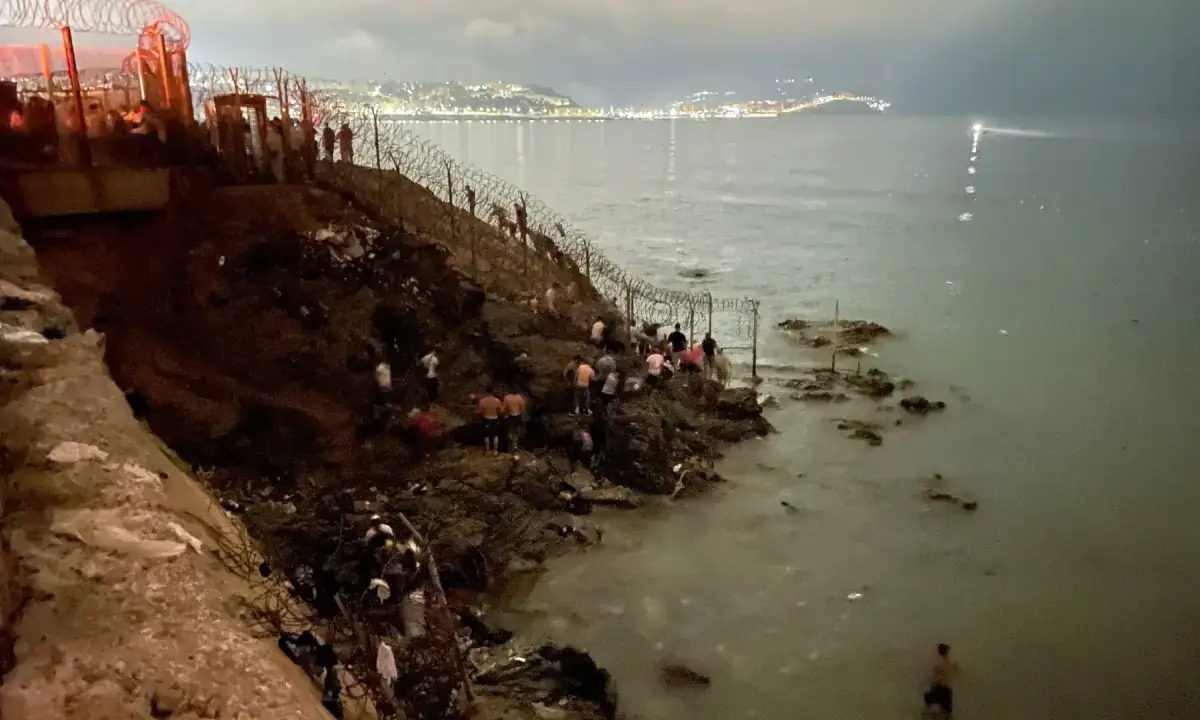
The viral videos that inspired tens of thousands to swim from Morocco to Spain’s Ceuta
Summarized and contextualized by DistantNews.
At a glance
News
Named sources
Outcome reported
- Viral videos and social media misinformation fueled a mass migration attempt to Spain's Ceuta enclave.
- Misinterpretations of a Spanish court ruling suggested migrants reaching Ceuta could not be returned, encouraging thousands to cross.
- Over 80 people drowned or were crushed in the ensuing chaos, while misinformation about immigration programs also circulated.
Tens of thousands of migrants attempted to swim to Spain's Ceuta enclave, a rush largely inspired by viral videos and widespread misinformation online. Some videos, including those posted by Spanish news outlets highlighting migration pressures, inadvertently encouraged a surge of individuals.
The situation escalated dramatically last Thursday when the movement of a few dozen youths transformed into a mass attempt to cross. Official reports indicate that more than 80 people lost their lives, either drowning or being crushed in a stampede during the chaotic influx. This surge followed a Spanish Supreme Court ruling three weeks prior, which stated that migrants intercepted at sea could not be immediately returned from Ceuta and Melilla, Spain's North African territories.
Misinterpretations of this ruling, including claims that anyone reaching Ceuta would be allowed to stay, spread rapidly. Online posts falsely suggested Spain's migrant regularization program would end, further motivating desperate attempts. While many of these misleading videos and online groups have since been removed, their impact was profound. Spanish and Moroccan officials have accused human trafficking networks of exploiting and propagating this misinformation on social media, using footage of successful crossings to lure more people.
Never believe those who tell you that if you get into Ceuta, they will send you back. You will not be sent back.
DistantNews Editorial
Originally published by Dawn. Summarized and contextualized by our editorial team with added local perspective. Read our editorial standards.
More Stories

From Our Blog

What Gets Lost (and Found) When News Is Translated

The Critical Role of Diaspora Media in Global News

What Travellers Should Know About Countries with Restricted Press

A Digital Nomad's Guide to Following Local News

How the Same Story Looks Different in Different Countries
