

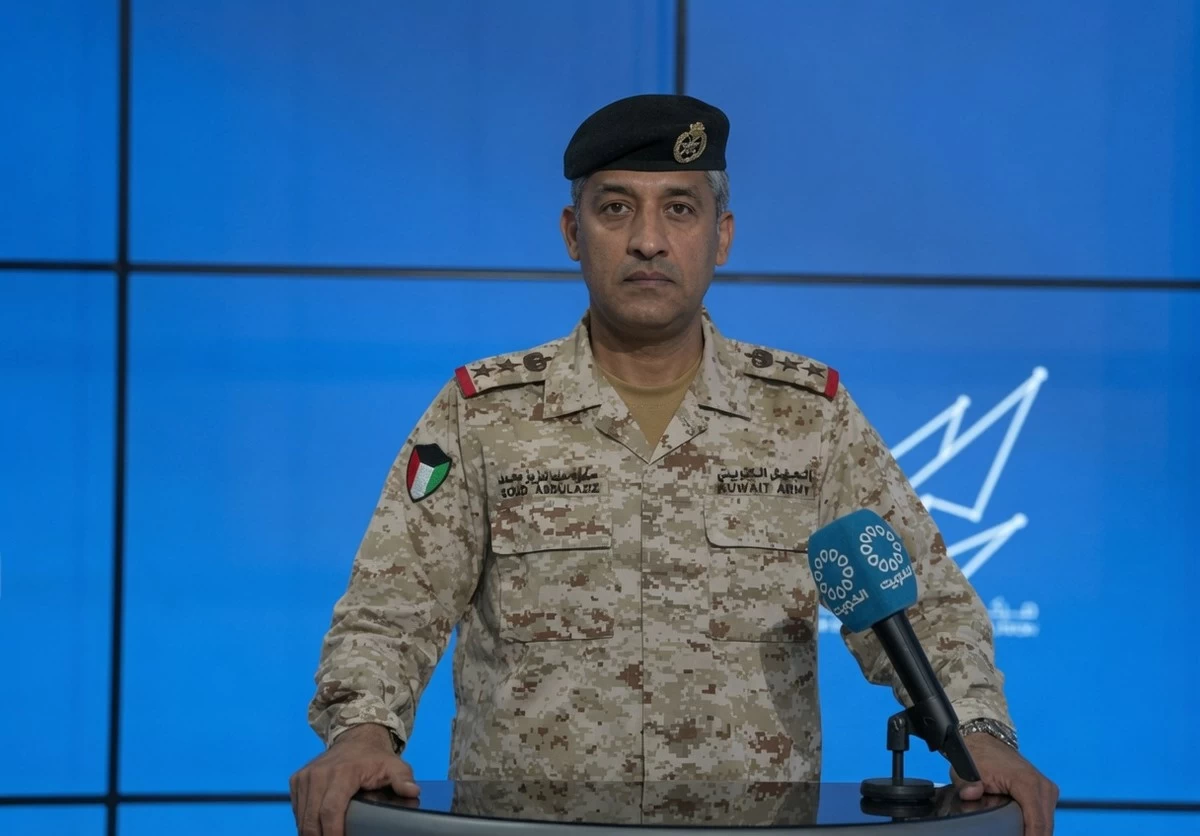

The world must save the Iranian people from the rogue regime
Translated from English, summarized and contextualized by DistantNews.
At a glance
Opinion
Sources not specified
Context piece
- The author argues that decisive action is the only remaining option to deal with the Iranian regime, citing historical evidence of its aggression.
- Iran's escalating threats, including the potential closure of the Strait of Hormuz and Bab el-Mandeb Strait by its proxies, are impacting the global economy.
- The article warns against repeating historical mistakes, like the 'Munich trap,' and calls for an end to Iran's "anomalous situation" to prevent further global economic crises.
The author contends that the Iranian regime's persistent aggression since 1979 necessitates decisive international action, a strategy previously termed 'cauterization.' This view is grounded in Iran's historical actions against Gulf states and global entities, characterized by escalating threats from its leadership. The article criticizes certain parties for supporting Iranian policies for personal or short-term regional gains, highlighting how these threats are becoming realities with significant economic repercussions, particularly the ongoing closure of the Strait of Hormuz since February 28, 2016.
Further escalating the situation, Iran's proxy, the Houthi group, has threatened to close the Bab el-Mandeb Strait. The author draws a parallel to the 'Munich trap,' a historical instance where appeasement led to a major global war, warning that failing to address Iran's actions could ignite similar prolonged conflicts. The piece emphasizes that history often repeats itself, with ordinary people, the global economy, and nations becoming victims.
The article asserts that if the world has learned from past tragedies, particularly those of the 20th century, Iran's "anomalous situation" must be resolved. This imperative is heightened by the current global economic instability, marked by recurring crises since the 1970s, high inflation rates, and the threat of recession in many countries. These economic woes coincide with the Strait of Hormuz closure, a critical waterway through which approximately 20 percent of the world's oil and other essential goods pass.
The international community's perceived inaction in holding the Iranian regime accountable is seen as treating a matter of "national survival" as minor. This inaction is compared to the period before World War II, when Germany's unchecked ambitions under Hitler were emboldened by the lack of decisive opposition from other nations. The article suggests that this historical pattern, where initial inaction allows aggressive projects to grow, ultimately forces nations into confronting them later, often at a greater cost.
DistantNews Editorial
Originally published by Arab Times in English. Translated, summarized, and contextualized by our editorial team with added local perspective. Read our editorial standards.
More Stories

From Our Blog

What Gets Lost (and Found) When News Is Translated

The Critical Role of Diaspora Media in Global News

What Travellers Should Know About Countries with Restricted Press

A Digital Nomad's Guide to Following Local News

How the Same Story Looks Different in Different Countries
