

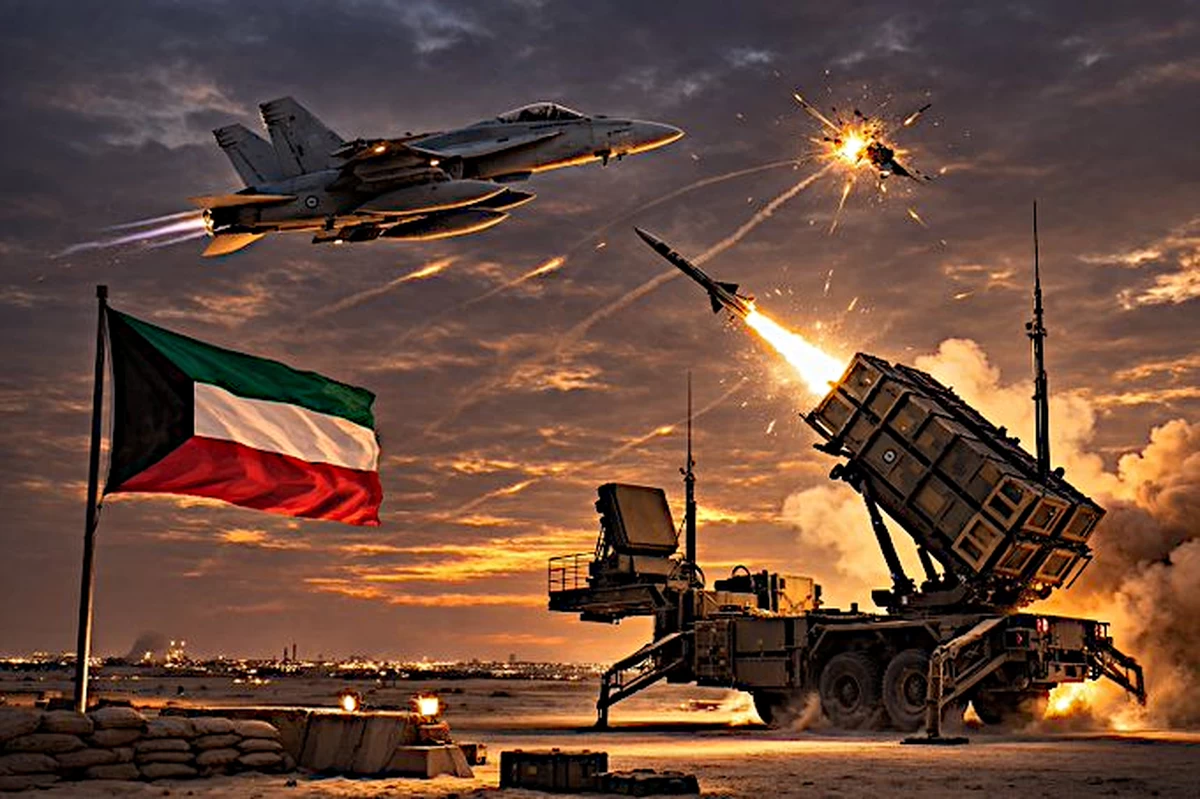

The world must support the Iranian people’s revolutions
Summarized and contextualized by DistantNews.
At a glance
Opinion
Sources not specified
Context piece
- The article argues the world must support the Iranian people's revolutions against the current regime, established after the 1979 revolution.
- It criticizes the regime for consolidating power through violence, imposing poverty, and engaging in terrorism and regional destabilization.
- The author contends that international inaction since 1979 has allowed the regime to persist, warning of severe global economic and security consequences if the situation is not addressed.
The world must actively support the Iranian people's ongoing revolutions against the regime established after the 1979 overthrow of the Shah. The article asserts that upon achieving victory, Ayatollah Khomeini immediately moved to eliminate his supporters, instituting a racist and sectarian government against the secular and liberal majority. This consolidation of power allegedly involved numerous assassinations, bombings, and killings.
The ruling clerical class is accused of inflicting famine and poverty on the populace, straining international relations, and actively engaging in terrorism. The article criticizes global political elites for overlooking these actions due to expedient interests, allowing the Iranian regime to exploit the situation by establishing proxies under the guise of supporting the oppressed. This, the author argues, has led to decades of suffering and instability, stemming from a short-sighted global vision, particularly during the Cold War.
Currently, the Iranian regime, described as despised by its people, continues to perpetrate terrorist attacks, threaten energy security, and harm the global economy. The article specifically points to the regime's alleged halting of fertilizer exports, essential for global food security, as an act of genocide that exacerbates poverty and famine among its estimated 90 million citizens.
The author draws a parallel to the international community's inaction following the 1991 uprising against Saddam Hussein in Iraq, suggesting a repeated failure to support popular movements. Iran has seen nine uprisings since 1979, any of which could have potentially toppled the regime, but international inaction allowed them to be suppressed. The article warns that the current situation is more dangerous due to the regime's increasing use of economic and political terrorism, blackmailing neighboring countries and the world.
Failure to address this decisively, the article concludes, will plunge the world into decades of instability and trigger a major global economic crisis that could lead to a catastrophic collapse. The author implies that the world is repeating the mistake of ignoring the suffering of a people under oppressive rule, with potentially dire global consequences.
DistantNews Editorial
Originally published by Arab Times. Summarized and contextualized by our editorial team with added local perspective. Read our editorial standards.
More Stories
From Our Blog

What Gets Lost (and Found) When News Is Translated

The Critical Role of Diaspora Media in Global News

What Travellers Should Know About Countries with Restricted Press

A Digital Nomad's Guide to Following Local News

How the Same Story Looks Different in Different Countries
