


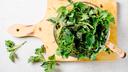
This 'Weed' Growing in Your Yard is More Powerful Than Spinach: Folk Medicine Uses It for Inflammation, Anemia, and Allergies
Translated from Croatian, summarized and contextualized by DistantNews.
At a glance
News
Sources not specified
Context piece
- Common nettle, often dismissed as a weed, is a highly nutritious wild plant rich in vitamins and minerals.
- It contains more calcium than milk per serving and offers significant amounts of iron, magnesium, and protein.
- Traditionally used in folk medicine for anemia, inflammation, and urinary issues, modern science is exploring its anti-inflammatory and allergy-reducing properties.
Often pulled from gardens as a nuisance, the common nettle (Urtica dioica) is a nutritional powerhouse that rivals well-known superfoods like spinach. This underappreciated plant is packed with vitamins A, C, and K, B vitamins, and essential minerals such as iron, calcium, magnesium, and potassium. Notably, half a cup of cooked nettle provides more calcium than a full cup of milk, and its protein content makes it valuable for plant-based diets.
Nettle's ability to draw and store high concentrations of nutrients from the soil also makes it a natural fertilizer. Its use in both diet and medicine dates back centuries. In medieval Europe, it was a vital winter food source, and indigenous North American tribes also valued its properties. Folk medicine has long used nettle to "strengthen blood" and combat anemia due to its high iron content.
The plant's diuretic properties are well-known, aiding the body in eliminating excess fluid and toxins. This has led to its traditional use for conditions like rheumatism, gout, and arthritis. Nettle root is also recognized for supporting the urinary system and alleviating symptoms of benign prostate hyperplasia. Modern research is beginning to validate these traditional uses, investigating nettle's anti-inflammatory effects attributed to its flavonoids and phenolic acids. Studies suggest it may reduce pain associated with osteoarthritis and potentially help regulate blood sugar levels. Scientists are also exploring its role in mitigating seasonal allergies by reducing histamine release, though further clinical trials are needed.
DistantNews Editorial
Originally published by Večernji List in Croatian. Translated, summarized, and contextualized by our editorial team with added local perspective. Read our editorial standards.
More Stories



From Our Blog

What Gets Lost (and Found) When News Is Translated

The Critical Role of Diaspora Media in Global News

What Travellers Should Know About Countries with Restricted Press

A Digital Nomad's Guide to Following Local News

How the Same Story Looks Different in Different Countries
