

Thomas Aquinas: 'Better to illuminate than merely to shine'
Translated from English, summarized and contextualized by DistantNews.
At a glance
In-depth
Sources not specified
Context piece
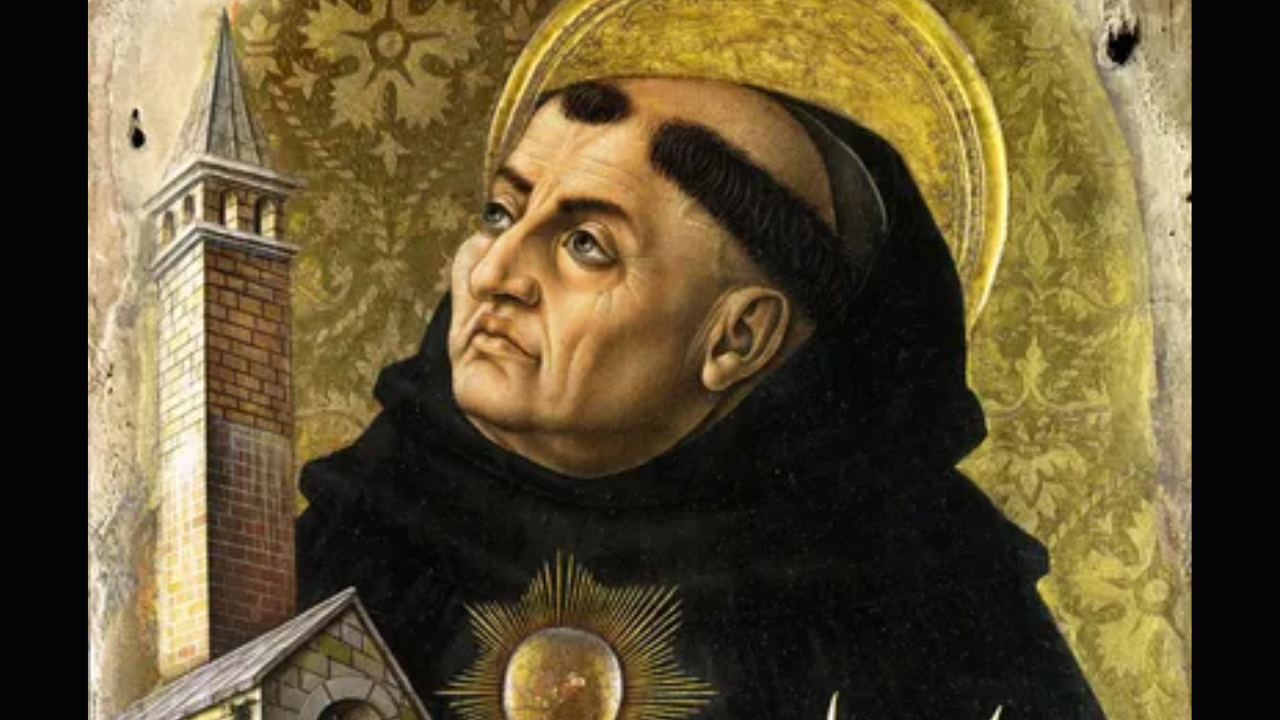
- Thomas Aquinas, a 13th-century theologian, contrasted personal brilliance with the act of illuminating others' understanding.
- He argued that sharing knowledge, or "contemplated truths," is more valuable than merely contemplating them, defending the active mission of Dominican friars.
- Aquinas's quote, "Better to illuminate than merely to shine, to deliver to others contemplated truths than merely to contemplate," remains relevant for balancing personal growth with public responsibility.
An intellectual may achieve brilliant insights in solitude, but these ideas remain inert if not shared. Thomas Aquinas, a towering figure of 13th-century theology and philosophy, articulated this distinction through a famous concept: "Better to illuminate than merely to shine, to deliver to others contemplated truths than merely to contemplate."
This quote draws a clear line between personal brilliance, which merely seeks admiration, and illumination, which actively helps others perceive the world more clearly. Aquinas viewed knowledge not as a private possession but as a light intended to foster universal understanding.
The enduring power of this idea lies in its address of a fundamental human tension between self-improvement and societal contribution. Intelligence and deep study can easily become self-absorbed endeavors. Aquinas's words serve as a potent reminder that the ultimate purpose of acquiring knowledge is not personal achievement but aiding others in navigating a complex world.
Better to illuminate than merely to shine, to deliver to others contemplated truths than merely to contemplate.
Aquinas penned these words in his seminal work, Summa Theologiae, written between 1265 and 1274. This comprehensive guide to Christian theology and Aristotelian philosophy was intended for students and Dominican friars. His statement arose from a debate within medieval religious orders regarding the merits of the contemplative life versus an active, public mission.
While traditional monastic orders like the Benedictines embraced withdrawal for prayer and study, the mendicant orders, including the Dominicans founded by Saint Dominic in 1216, engaged directly with the public through preaching and teaching in towns and universities. Critics argued that this public engagement diluted the spiritual purity derived from silent contemplation. Aquinas, however, defended the Dominican mission, advocating for a synthesis of the active and contemplative lives, deeming the combined approach superior to either in isolation. The Latin phrase, Sicut enim maius est illuminare quam lucere solum, ita maius est contemplata aliis tradere quam solum contemplari, became a defining tenet of the Dominican ethos, often shortened to Contemplata aliis tradere – "to hand down to others the fruits of contemplation."
to hand down to others the fruits of contemplation
DistantNews Editorial
Originally published by Times of India in English. Translated, summarized, and contextualized by our editorial team with added local perspective. Read our editorial standards.
More Stories



From Our Blog

What Press Freedom Means for the News You Read

What Gets Lost (and Found) When News Is Translated

The Critical Role of Diaspora Media in Global News

What Travellers Should Know About Countries with Restricted Press

A Digital Nomad's Guide to Following Local News
