

Thought extinct after fires in southern Argentina, this species has been detected again
Translated from Spanish, summarized and contextualized by DistantNews.
At a glance
News
Official statement
Outcome reported
- A unique frog species, thought to be extinct after Patagonian wildfires, has been rediscovered in Argentina's Los Alerces National Park.
- The Alerce frog (Batrachyla fitzroya), which is microendemic to an island in the park, was found alive after fires devastated its habitat.
- The discovery brings relief to conservationists and will allow for new studies on the amphibian and the impact of the fires.
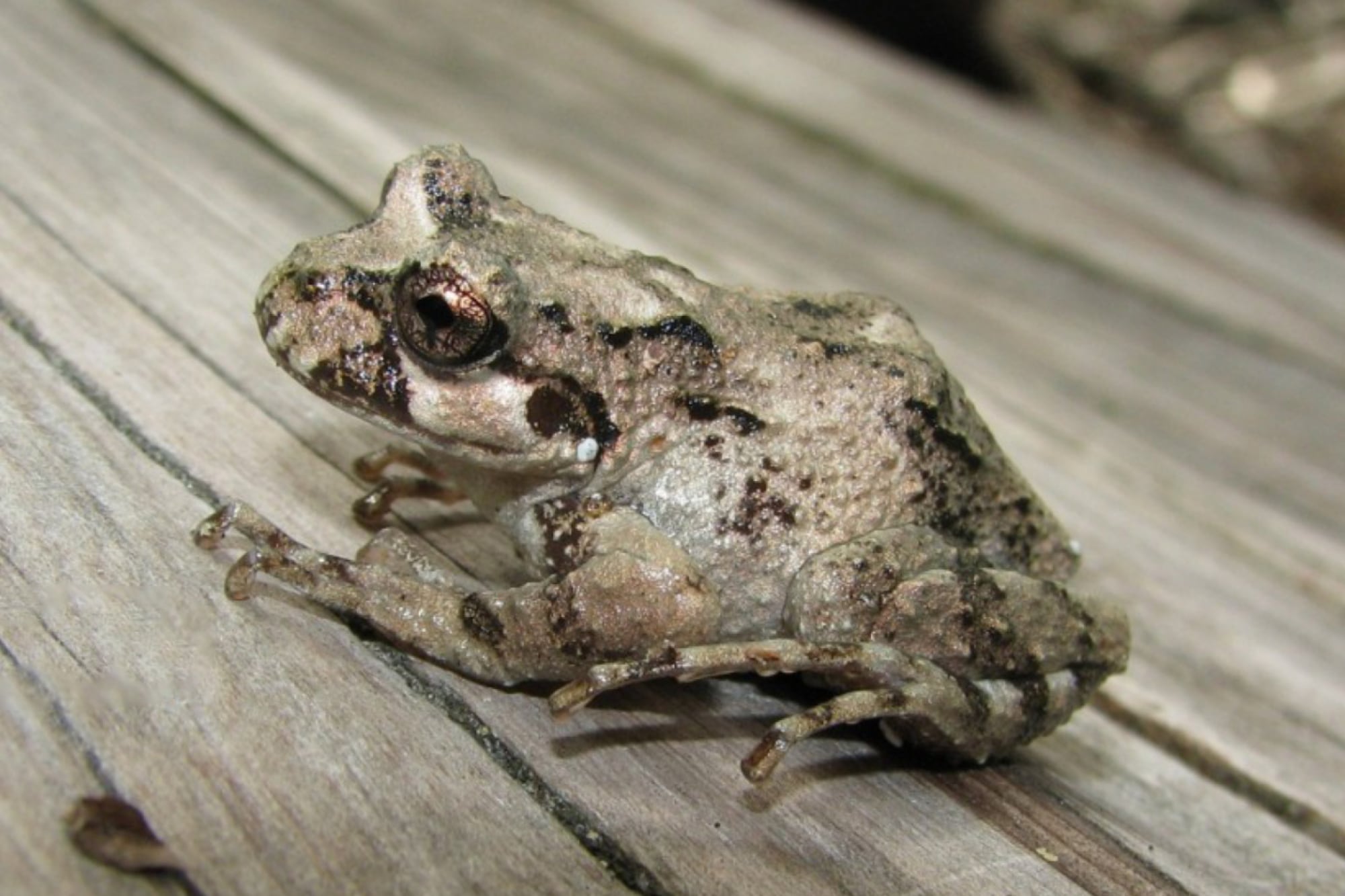
A unique frog species, believed to have been wiped out by wildfires in southern Argentina's Patagonia region, has been rediscovered. Herpetologists working in Los Alerces National Park confirmed the continued presence of the Alerce frog (Batrachyla fitzroya), a species found nowhere else in the world.
The fires in the summer of 2026 significantly impacted the island habitat of the microendemic frog. With much of the forest destroyed, experts had presumed the small amphibian had perished due to extreme conditions and lack of resources. However, recent post-fire monitoring efforts by specialized biologists and park rangers have located living specimens.
This finding has brought considerable relief to experts dedicated to conserving Argentina's natural areas. According to a statement from the National Parks Administration, the discovery was confirmed through post-fire monitoring. The presence of the frogs will enable further research into the amphibian's biology, the extent of damage to its populations, and the overall impact of the fires on its habitat.
The Alerce frog is exclusively found on Isla Grande del Lago Menéndez, making its protection crucial due to its vulnerable status. Current research indicates the species reproduces in the damp forest floor and along the lake's shores, typically residing in vegetation with open or closed canopies of trees over 15 meters tall, as well as in freshwater or saltwater bodies. The National Park will continue to monitor safe zones to protect the species from future threats.
DistantNews Editorial
Originally published by La Nación in Spanish. Translated, summarized, and contextualized by our editorial team with added local perspective. Read our editorial standards.
More Stories


From Our Blog

What Gets Lost (and Found) When News Is Translated

The Critical Role of Diaspora Media in Global News

What Travellers Should Know About Countries with Restricted Press

A Digital Nomad's Guide to Following Local News

How the Same Story Looks Different in Different Countries
