


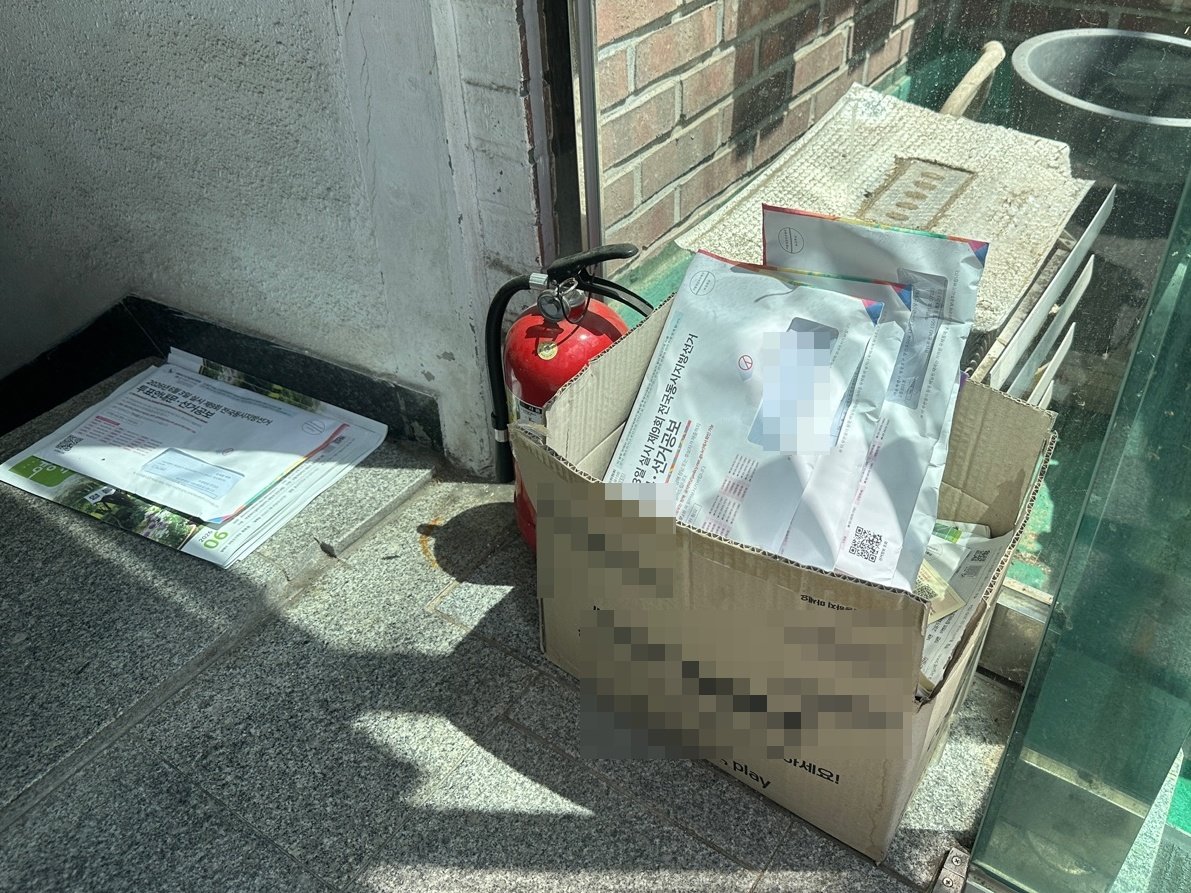
Thousands of tons of waste generated after elections: the challenge of processing used banners and campaign materials in South Korea
Translated from Korean, summarized and contextualized by DistantNews.
At a glance
News
Sources not specified
Context piece
- South Korea generates thousands of tons of waste from election banners and campaign materials after each election.
- Most election banners are made of PVC, which is difficult to decompose naturally and has limited recycling potential.
- Only about 30% of used election banners are recycled, with the rest being incinerated or landfilled, raising environmental concerns.
South Korea faces a significant waste problem following elections, with thousands of tons of discarded banners and campaign materials overwhelming disposal systems. The recent 22nd National Assembly election alone produced 1,235 tons of waste banners, adding to the 1,557 tons generated during the 2022 local elections.
These banners, primarily made from PVC for durability and cost-effectiveness, pose environmental challenges. PVC is not easily biodegradable and recycling efforts are limited. Consequently, a substantial portion of these materials ends up in landfills or incinerators, contributing to pollution.
The low recycling rate, hovering around 30%, highlights the urgent need for sustainable solutions. While campaign materials like posters and even campaign staff uniforms contribute to the waste, the sheer volume of PVC banners presents the most pressing issue. Environmental groups and officials are calling for a reduction in the environmental burden associated with election campaigns.
DistantNews Editorial
Originally published by Dong-A Ilbo in Korean. Translated, summarized, and contextualized by our editorial team with added local perspective. Read our editorial standards.
More Stories


From Our Blog

What Gets Lost (and Found) When News Is Translated

The Critical Role of Diaspora Media in Global News

What Travellers Should Know About Countries with Restricted Press

A Digital Nomad's Guide to Following Local News

How the Same Story Looks Different in Different Countries
