


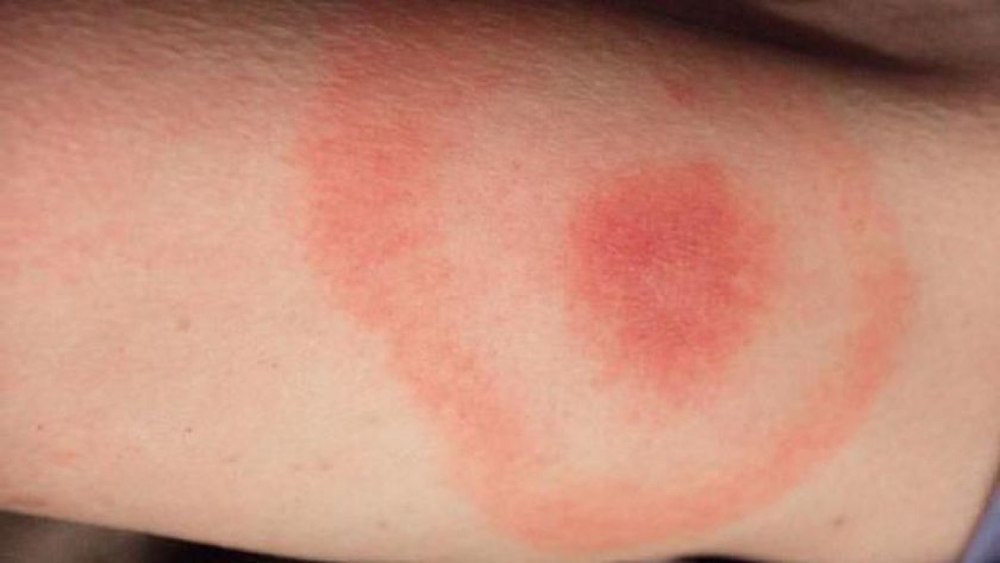
Tick bite can trigger severe red meat allergy, doctors warn
Translated from Romanian, summarized and contextualized by DistantNews.
At a glance
News
Sources not specified
Context piece
- A tick bite can trigger a severe, delayed allergic reaction to red meat known as alpha-gal syndrome.
- The syndrome occurs because the immune system mistakenly identifies a sugar called alpha-gal, found in most mammals but not humans, as a threat after a tick bite.
- Symptoms appear hours after consuming meat, complicating diagnosis, and cases are rising due to increased awareness and the expanding range of the implicated tick species.
A seemingly minor tick bite can lead to a severe, delayed, and potentially fatal allergic reaction to red meat, a condition doctors are increasingly monitoring called alpha-gal syndrome. The number of cases is rising, with some patients only discovering their allergy after repeated severe reactions.
Alpha-gal syndrome is not a typical food allergy. The issue stems from a sugar molecule, alpha-gal, present in the meat of most mammals but absent in humans. After a tick bite, this sugar can enter the bloodstream through the skin, prompting the immune system to perceive it as a threat. Over time, the body develops antibodies that react aggressively to subsequent exposure, including when consuming beef, pork, or lamb.
"If all of this happened orally and we ate alpha-gal the way we do with steaks or grilled meat, then we wouldn't become allergic," explained researcher Scott Commins from the University of North Carolina, highlighting the unusual route of exposure. A key diagnostic challenge is that symptoms do not appear immediately after eating but manifest several hours later. Affected individuals may experience hives, intense itching, swelling of the lips or throat, breathing difficulties, and gastrointestinal issues like nausea, vomiting, or abdominal pain.
Experts attribute the rise in diagnoses to two main factors: increased awareness among doctors and patients, leading to better identification of cases, and the expanding geographic range of the tick species primarily associated with the syndrome. The "lone star tick," a key vector in the United States, has been reported in more northern regions, and other tick species may also contribute to the spread of the condition in the future. The Centers for Disease Control and Prevention estimates that approximately 450,000 people may have developed this allergy, indicating it is no longer an isolated phenomenon.
If all of this happened orally and we ate alpha-gal the way we do with steaks or grilled meat, then we wouldn't become allergic.
DistantNews Editorial
Originally published by Adevărul in Romanian. Translated, summarized, and contextualized by our editorial team with added local perspective. Read our editorial standards.
More Stories



From Our Blog

What Gets Lost (and Found) When News Is Translated

The Critical Role of Diaspora Media in Global News

What Travellers Should Know About Countries with Restricted Press

A Digital Nomad's Guide to Following Local News

How the Same Story Looks Different in Different Countries
