

Tisza Party Misled Hungarians on Fuel Prices, Expert Claims
Translated from Hungarian, summarized and contextualized by DistantNews.
At a glance
News
Sources not specified
Outcome reported
- An expert from the Independent Gas Station Association disputes claims made by István Kapitány of Tisza Party regarding fuel reserves.
- The expert stated Hungary has sufficient oil and diesel reserves for 41 and 24 days, respectively, and gasoline for 14 days, refuting claims of a shortage.
- The article discusses the recent removal of government-imposed fuel price caps and the potential for prices to exceed previous regulated levels.
Fuel reserves in Hungary are adequate, according to Egri Gábor, an expert with the Independent Gas Station Association. He directly refuted statements made by István Kapitány of the Tisza Party, labeling them as untrue. Gábor clarified that current reserves are sufficient for 41 days of crude oil, 24 days of diesel, and 14 days of gasoline, suggesting that political communication often omits certain facts.
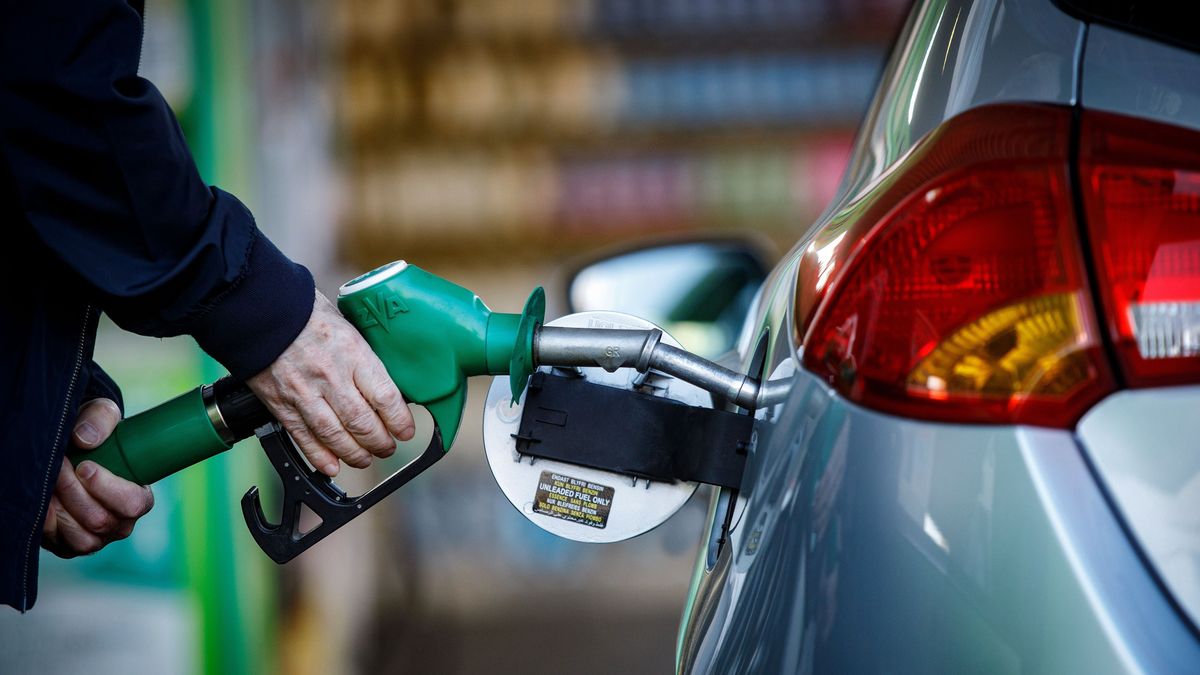
He further indicated a deficit of approximately 200,000 tons in strategic reserves, comprising 120,000 tons of diesel and 80,000 tons of gasoline. With current retail prices, this situation could lead to new pricing significantly exceeding previous regulated levels at most stations. As of Tuesday, the average price for 95-octane gasoline was 586.6 forints per liter, and diesel was 608.5 forints per liter, with some stations already charging higher rates.
The government had introduced regulated fuel prices in March, citing the tense oil market situation, particularly due to the conflict in Iran. These price caps, set at a maximum of 595 forints per liter for 95-octane gasoline and 615 forints for diesel for vehicles with Hungarian license plates, aimed to balance the interests of oil companies, motorists, and agricultural businesses. Notably, during the election campaign, Péter Magyar had advocated for a 480 forint per liter price cap for both fuel types.
Following the formation of the new government, the Tisza Party initially renamed the regulated prices to "official pricing." Subsequently, in June, parliament voted to phase out these price caps, effective June 27. The justification cited the easing of Middle Eastern tensions and the stabilization of the oil market. However, despite average prices remaining below the regulated levels until recently, the escalating geopolitical situation, including renewed conflict in Iran and ongoing issues in the Strait of Hormuz, suggests that the market remains volatile and the removal of price caps could lead to significant price increases.
Ha a jelenlegi kiskereskedelmi átlagárakat nézzük, akkor mindez azt jelenti, hogy szerdától már jócskán átlépheti a korábbi védett árszinteket az új árazás a legtöbb kúton.
DistantNews Editorial
Originally published by Magyar Nemzet in Hungarian. Translated, summarized, and contextualized by our editorial team with added local perspective. Read our editorial standards.
More Stories

From Our Blog

Countries Without a Free Press: What You Need to Know

What Press Freedom Means for the News You Read

What Gets Lost (and Found) When News Is Translated

The Critical Role of Diaspora Media in Global News

What Travellers Should Know About Countries with Restricted Press
