

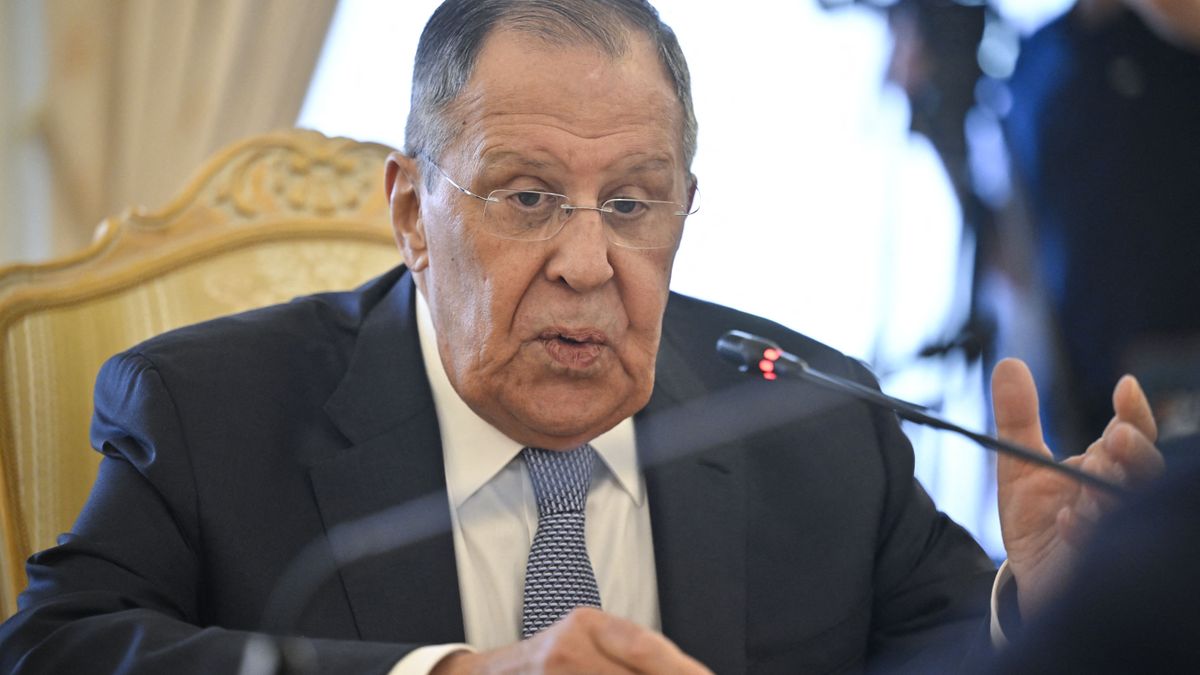

Tisza Party's move to exclude former minister faces legal criticism
Translated from Hungarian, summarized and contextualized by DistantNews.
At a glance
News
Named sources
Context piece
- A proposed government measure is seen as a personalized, retroactive intervention in Hungary's constitutional order, aimed at politically excluding a former minister.
- Legal experts argue that such personalized legislation violates the principle of the rule of law, which requires laws to be general and abstract.
- The move by the Tisza Party is reportedly not being viewed favorably within the legal community.
A recent government action by the Tisza Party has drawn criticism for allegedly targeting a former minister with personalized, retroactive legislation. Legal experts, including Dr. Zoltán Lomnici Jr., argue that this move fundamentally undermines Hungary's constitutional order.
the proposal is openly personalized and retroactively effective intervention in the Hungarian constitutional order, aimed at the political exclusion of a former minister.
Lomnici stated that the proposal is "openly personalized and retroactively effective intervention in the Hungarian constitutional order, aimed at the political exclusion of a former minister." He emphasized that the practice of creating laws tailored to specific individuals is rejected by the Constitutional Court.
The practice of creating laws tailored to specific individuals is rejected by the Constitutional Court.
The principle of the rule of law dictates that laws must be general and abstract, serving as a tool for society rather than a weapon against specific persons. This legal perspective suggests that the Tisza Party's action may be unconstitutional.
laws must be general and abstract, not a weapon against specific persons.
DistantNews Editorial
Originally published by Magyar Nemzet in Hungarian. Translated, summarized, and contextualized by our editorial team with added local perspective. Read our editorial standards.
More Stories


From Our Blog

Countries Without a Free Press: What You Need to Know

What Press Freedom Means for the News You Read

What Gets Lost (and Found) When News Is Translated

The Critical Role of Diaspora Media in Global News

What Travellers Should Know About Countries with Restricted Press
