


Tito asks for 793 billion rupiah to accelerate flood recovery in Sumatra
Translated from Indonesian and summarized by DistantNews. Read the original for the full story.
At a glance
News
Named sources
Ongoing story
- Home Affairs Minister Tito Karnavian requested about 793 billion rupiah to accelerate 991 flood-recovery programs in Sumatra.
- He said seven ministries and agencies still needed support and that Aceh faced shortages of construction materials, including cement and steel.
- President Prabowo Subianto said the government’s response to floods and landslides in Aceh, North Sumatra and West Sumatra had become faster and more extensive.
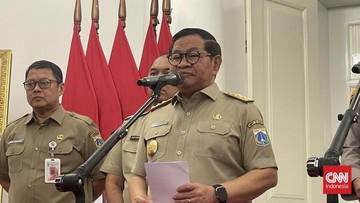
Home Affairs Minister Tito Karnavian has asked Indonesia’s Finance Ministry to release about 793 billion rupiah to speed up flood-recovery work in Sumatra.
Tito said the funds would allow ministries and agencies to carry out 991 programs. About seven ministries and agencies still needed assistance, he said, while the government had roughly three and a half months remaining to accelerate the work.
He said the programs had begun moving forward, but Aceh faced shortages of construction materials, particularly cement and steel. Public Works projects worth about 22 trillion rupiah include dams, bridge and road repairs, health centers and houses of worship.
There is a problem, namely a shortage of materials in Aceh, cement and then steel for construction.
President Prabowo Subianto said the government had responded more quickly and extensively to recent natural disasters than in previous years. He cited flood and landslide recovery efforts in Aceh, North Sumatra and West Sumatra, saying national resources had helped restore conditions in several affected areas.
“I think that as we face future situations, we will be more capable. Even now, compared with previous years, our response is very fast,” Prabowo said.
I think that as we face future situations, we will be more capable. Even now, compared with previous years, our response is very fast.
About this summary
Originally published by CNN Indonesia in Indonesian. Translated, summarized, and contextualized automatically by DistantNews, with a note on how the source frames the story. Not individually reviewed before publishing. How this works.
More Stories


From Our Blog

News in Translation: What Gets Lost, and How We Keep the Framing

Diaspora Media: How Communities Follow News From Home

Traveling Where the Press Is Not Free: How to Read the News There

The Digital Nomad's Guide to Local News

The Same Story, Different Countries: How Coverage Changes at the Border
