

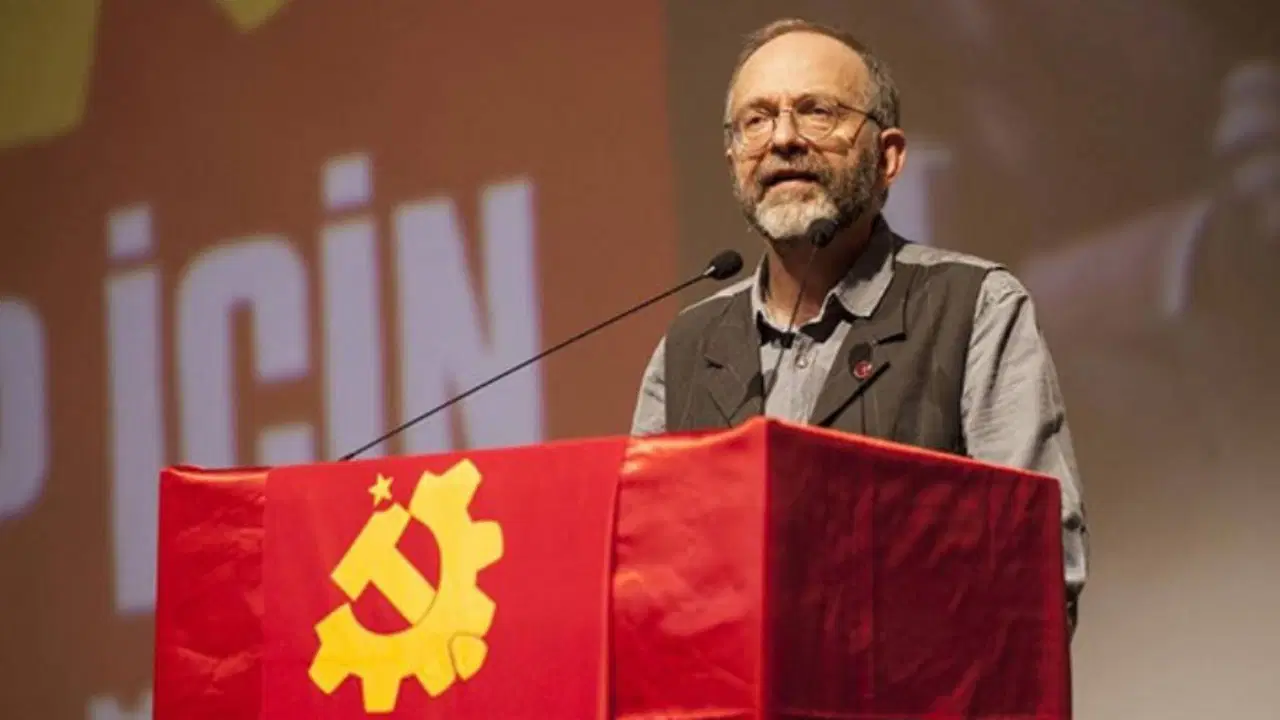

To Leave or To Fight? CHP Faces Historical Dilemma
Translated from Turkish, summarized and contextualized by DistantNews.
At a glance
Analysis
Sources not specified
Context piece
- The Republican People's Party (CHP) in Turkey faces internal debate over whether to remain united or split, a common historical dilemma for large political organizations.
- Historical examples, including figures like İsmet İnönü and Süleyman Demirel, suggest that parties maintaining internal unity often endure, while those that split fade.
- The article emphasizes the importance of organizational struggle and dialogue, urging current CHP leaders to preserve unity and learn from past divisions that weakened the left in Turkey.
The Republican People's Party (CHP) in Turkey is at a crossroads, grappling with a question that has echoed throughout political history: should it fracture or persevere from within? This internal debate is not merely about daily political squabbles but touches upon the very survival and historical trajectory of a major political entity.
Politics history is not only the history of power struggles, but also the history of patience, organized resistance, and the internal reckonings of large structures.
Throughout Turkey's political past, parties that have splintered have often seen their constituent parts fade from the political scene. Conversely, larger organizations that have weathered internal storms and maintained their structure have endured. Figures like İsmet İnönü, who navigated internal party differences by keeping them within the political struggle, and Süleyman Demirel's Justice Party in the 1960s and 70s, which saw members leave but the core remain, offer historical precedents. Even Bülent Ecevit's rise within the CHP, advocating for "the left of center" through internal debate rather than secession, highlights a path of transformation from within.
The post-1980 era in Turkey saw the fragmentation of the center-left, a period that significantly weakened the political left for decades. The division into parties like SHP, DSP, and CHP is seen as a major factor that allowed right-wing politics to gain prominence. This historical pattern underscores that political movements require more than just popular support; they need robust organization.
The fundamental question facing the CHP today is this: Should it leave, or stay and fight?
The article stresses that building significant political movements demands decades of effort, the hopes of millions, and countless sacrifices. Therefore, for those within the CHP who hold differing views, the immediate task is to maintain dialogue, engage in patient struggle, and protect the party's organizational integrity. Leaders at all levels, particularly within the influential Istanbul organization, bear a significant historical responsibility to uphold this unity and the party's legacy of struggle.
History shows us this: Great political movements are not built easily. They are built on decades of effort, the hopes of millions, and countless sacrifices.
DistantNews Editorial
Originally published by Cumhuriyet in Turkish. Translated, summarized, and contextualized by our editorial team with added local perspective. Read our editorial standards.
More Stories

From Our Blog

What Gets Lost (and Found) When News Is Translated

The Critical Role of Diaspora Media in Global News

What Travellers Should Know About Countries with Restricted Press

A Digital Nomad's Guide to Following Local News

How the Same Story Looks Different in Different Countries
