

Tour de France 2026 route aims for last-minute drama with tough final mountain stages
Translated from Danish, summarized and contextualized by DistantNews.
At a glance
News
Sources not specified
Context piece
- The 2026 Tour de France route features challenging mountain stages on the penultimate and third-to-last days to maintain suspense until the very end.
- Race director Christian Prudhomme aims to preserve excitement, drawing parallels to his childhood viewing of cycling races and acknowledging the need for unpredictable moments.
- The route's difficulty, including climbs like Alpe d'Huez, is designed to make riders vulnerable to illness or accidents, potentially altering race outcomes even for leaders.
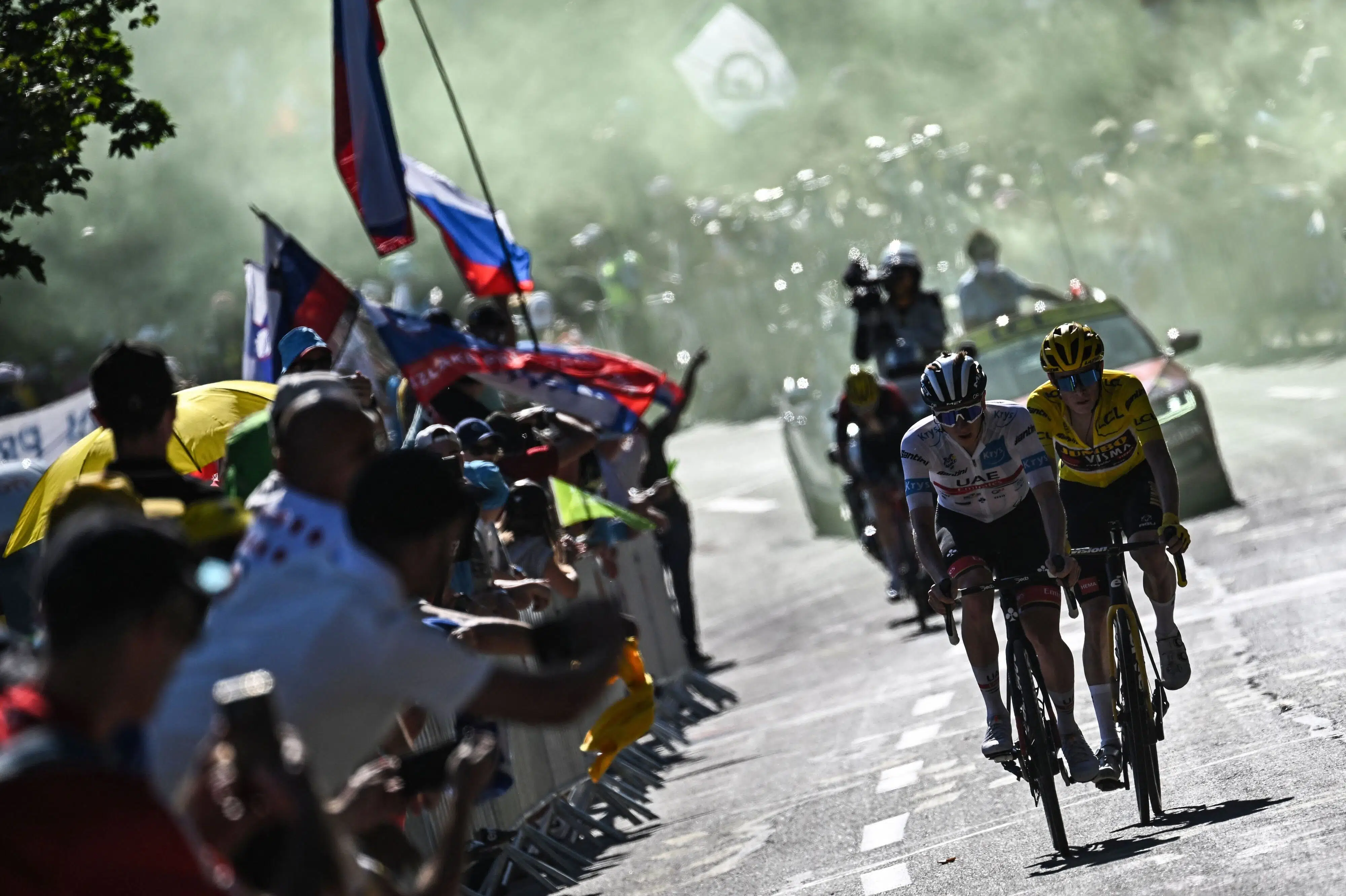
The 2026 Tour de France route is designed to keep fans on the edge of their seats, with challenging mountain stages scheduled for the second-to-last and third-to-last days. This strategic placement aims to ensure the race's outcome remains uncertain until the final kilometers.
The Tour de France director is no different from any other fan. When there is no excitement, I feel the same way as everyone else.
Tour de France director Christian Prudhomme emphasized the importance of suspense, stating, "The Tour de France director is no different from any other fan. When there is no excitement, I feel the same way as everyone else." He recalled his childhood fascination with cycling and acknowledged that the pursuit of thrilling competition directly influences route planning.
Maintaining excitement over 21 stages is a significant challenge, especially with dominant riders like Tadej Pogacar. While Pogacar's past leads have sometimes diminished the drama, late mountain stages offer hope for unexpected shifts. The 2020 race saw Pogacar dramatically overtake Primoz Roglic in a mountain time trial on the second-to-last day, illustrating the potential for late-stage upsets.
My thoughts have not changed since my childhood, when I watched Raymond Poulidor attack on Mont Revard. Of course, we yearn for battles and excitement, and that inevitably plays a role in shaping the route.
Former cyclist and Eurosport commentator Jesper Worre noted the trend of making the penultimate stage decisive, sometimes shifting to the third-to-last for logistical reasons. He explained that the demanding nature of these final mountain stages, including iconic climbs like Alpe d'Huez and Col du Galibier, makes riders more susceptible to illness or accidents. Even a significant lead can evaporate if a rider experiences a bad day or falls ill, potentially leading to a complete collapse in the standings.
There is a tendency to want the penultimate stage to be the decisive one. Sometimes it has been the third-to-last, because there is something logistical that needs to work out, and you have to move everything to Paris on Sunday.
Worre highlighted that dominant victories by riders like Pogacar and Vingegaard often occur when they navigate the race without serious illness. However, he cautioned that any rider can be affected, placing immense pressure on those competing for the overall classification. Despite teams' efforts to protect their riders, even minor health issues can impact performance, underscoring the inherent fragility of contenders in the final, grueling stages.
Even if you lead by eight minutes, you must not have a half-bad day, or you lose everything. If a rider is a little sick, they simply slide out of the classification.
DistantNews Editorial
Originally published by Berlingske in Danish. Translated, summarized, and contextualized by our editorial team with added local perspective. Read our editorial standards.
More Stories
From Our Blog

What Gets Lost (and Found) When News Is Translated

The Critical Role of Diaspora Media in Global News

What Travellers Should Know About Countries with Restricted Press

A Digital Nomad's Guide to Following Local News

How the Same Story Looks Different in Different Countries
