


Tourism: Rwanda to Inject 23 Billion Francs into Communities Around National Parks
Translated from English, summarized and contextualized by DistantNews.
At a glance
News
Sources not specified
New plan
- The Rwandan government plans to invest 23 billion Rwandan francs (approximately $17.5 million USD) into communities surrounding national parks.
- This initiative aims to boost local economies and improve livelihoods by leveraging tourism revenue.
- The investment will support community development projects and enhance the benefits derived from wildlife conservation efforts.
Rwanda is set to inject 23 billion Rwandan francs (approximately $17.5 million USD) into communities situated near its national parks, signaling a significant commitment to local development and sustainable tourism. This substantial investment aims to directly benefit residents by creating economic opportunities and improving their quality of life, fostering a stronger connection between conservation efforts and community well-being.
The initiative is designed to channel tourism revenue more effectively into the local economies, ensuring that the areas surrounding protected wildlife habitats reap tangible rewards. By supporting community-driven projects and enhancing the infrastructure that supports tourism, the government seeks to create a virtuous cycle where conservation success translates into improved livelihoods for the people living in these regions.
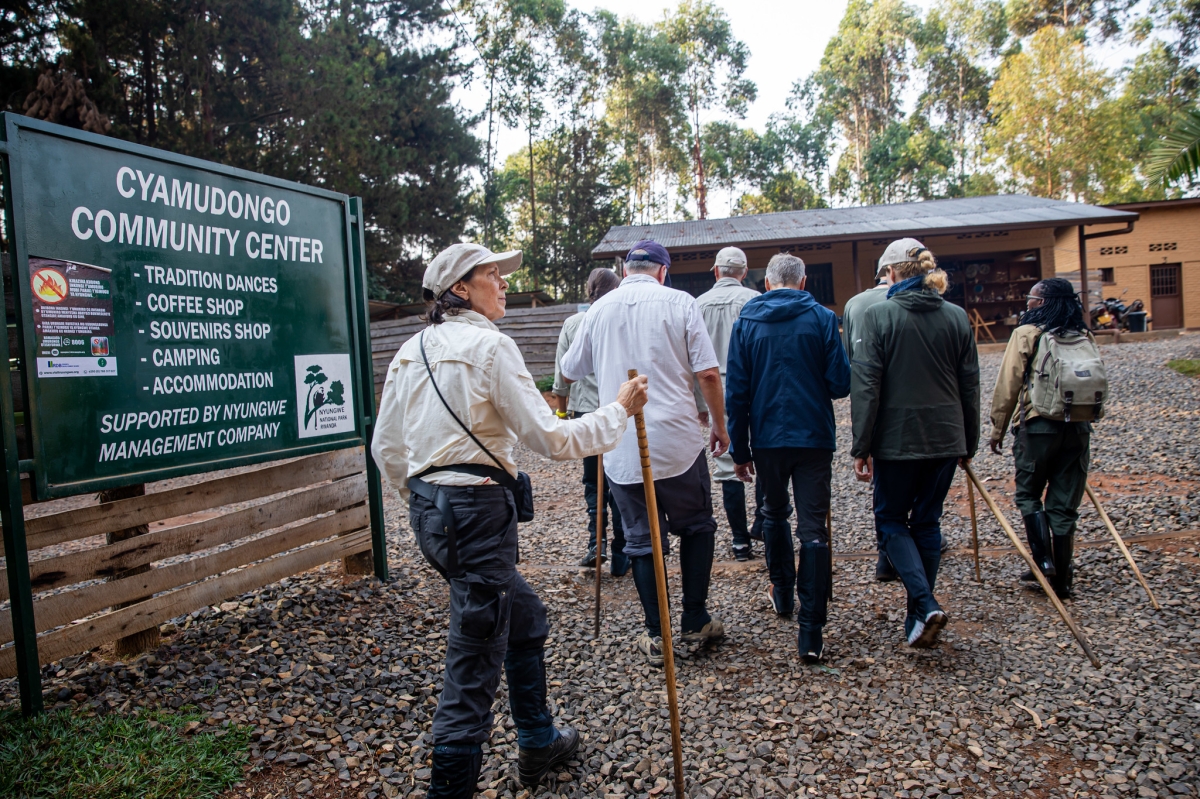
This financial injection is expected to bolster various development projects, potentially including improvements to local businesses, educational facilities, and healthcare services. The goal is to make these communities active stakeholders in conservation, encouraging them to protect the natural resources that attract visitors and generate income. The Cyamudongo Community Centre, located near the Nyungwe National Park, serves as an example of such community hubs that benefit from proximity to natural attractions.
By prioritizing community engagement and economic empowerment, Rwanda aims to strengthen its conservation model, which has seen significant success in protecting its rich biodiversity, including the mountain gorillas. This approach underscores the understanding that long-term conservation success is intrinsically linked to the prosperity and support of local populations.
DistantNews Editorial
Originally published by The New Times in English. Translated, summarized, and contextualized by our editorial team with added local perspective. Read our editorial standards.
More Stories


From Our Blog

What Gets Lost (and Found) When News Is Translated

The Critical Role of Diaspora Media in Global News

What Travellers Should Know About Countries with Restricted Press

A Digital Nomad's Guide to Following Local News

How the Same Story Looks Different in Different Countries
