


Traditional Balsamic Vinegar: Italy's 'Black Gold' from Modena
Translated from German, summarized and contextualized by DistantNews.
At a glance
In-depth
Sources not specified
Context piece
- Traditional balsamic vinegar, known as 'Aceto Balsamico', is a highly valued product from the Modena region of Italy.
- Unlike common vinegar, traditional balsamic is a dark, syrupy liquid produced over generations by winegrowers.
- Historically, it was considered a regional delicacy, used as a remedy and offered as a gesture of care on special occasions.
Traditional balsamic vinegar, or 'Aceto Balsamico Tradizionale', from Italy's Modena region is far more than a simple condiment; it is a centuries-old culinary treasure. The term 'vinegar' barely captures the essence of this dark, syrupy liquid, which stands as one of Europe's most prized culinary products.
The term vinegar only inadequately describes what traditional Aceto Balsamico is.
Its production is a slow, generational process. For centuries, this concentrated elixir was reserved for the families of winegrowers in the Modena area. Stored in attics, known as 'acetaie,' barrels of this 'black gold' were carefully aged. The precious contents were rarely sold, initially serving as a regional delicacy.
This dark, syrupy liquid from Italy has been one of the highest quality products of European food culture for centuries and has little in common with what we generally understand as vinegar.
Historically, traditional balsamic vinegar was valued for more than just its flavor. It was employed as a medicinal remedy and a strengthening elixir. Offering it to guests was a symbolic gesture of care and hospitality reserved for the most special occasions, highlighting its esteemed status.
Over many generations, this flavorful concentrate was reserved for the families of the winegrowers around Modena.
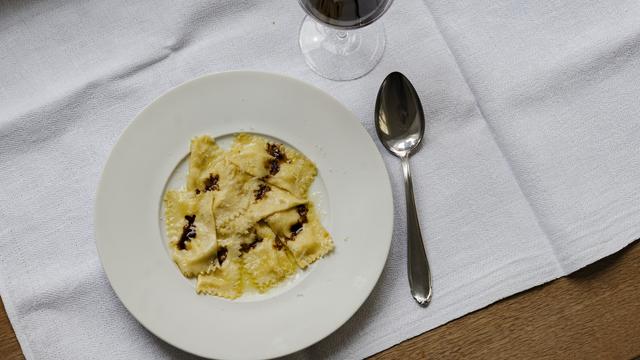
This artisanal product requires time and dedication, distinguishing it sharply from the everyday vinegars commonly used in salads or dressings. The article suggests that only dishes as refined as this Taleggio pasta are worthy of such an exceptional ingredient.
In the attics of their houses, the so-called acetaie, the barrels filled with the 'black gold' were stored.
DistantNews Editorial
Originally published by Die Zeit in German. Translated, summarized, and contextualized by our editorial team with added local perspective. Read our editorial standards.
More Stories



From Our Blog

What Gets Lost (and Found) When News Is Translated

How the Same Story Looks Different in Different Countries

The Critical Role of Diaspora Media in Global News

What Travellers Should Know About Countries with Restricted Press

A Digital Nomad's Guide to Following Local News
