

Treasures of Sepsiszék gathered in a beautiful album
Translated from Hungarian, summarized and contextualized by DistantNews.
At a glance
In-depth
Sources not specified
Context piece
- An album showcases the natural and historical treasures of Sepsiszék, a region in Lower Háromszék.
- The book features stunning photographs by Attila Mudrák, capturing medieval churches, fresco remnants, and fortified churches.
- It highlights the survival and preservation of Székely and Hungarian heritage through these historical sites.
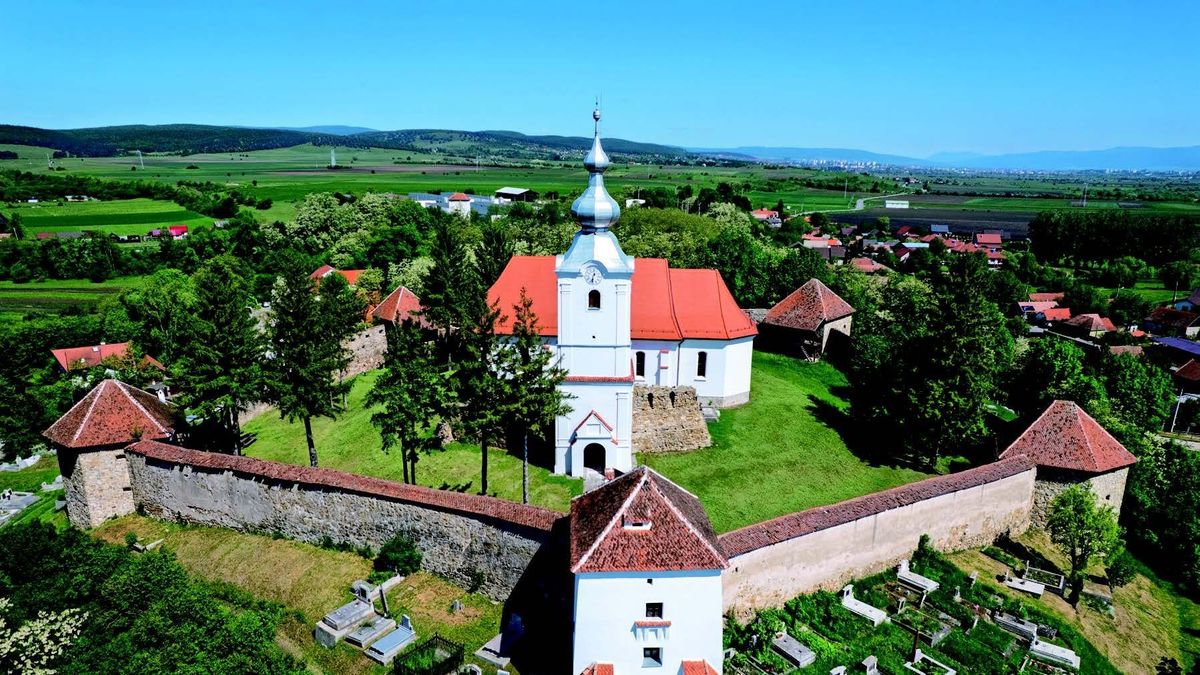
An album dedicated to the natural and historical wonders of Sepsiszék, located in Lower Háromszék, invites readers on a visual journey. The collection begins with descriptions of the region's natural beauty and history, enhanced by Attila Mudrák's sharp, well-composed photographs. These images, some taken from aerial perspectives, possess an elemental power that makes viewers long to be present at their locations.
The book delves into the rich heritage of several towns. Sepsikőröspatak's Árpád-era Roman Catholic church, where medieval frescoes were rediscovered in the late 19th century, is featured. Gidófalva's church fortress on the Olt river's left terrace also holds similar treasures. Sepsibesenyő reveals ancient fragments of the Saint Ladislaus legend on the interior walls of its sturdy church.
Kilyén's oldest architectural monument, a unitarian church of medieval origin, boasts a well-preserved fresco cycle depicting the knight-king, presented in detail with numerous images. The album similarly details the church in Kökös. The fortified churches of Szacsva, Árapatak, and Nagyajta, the birthplace of Kriza János, also unveil their secrets. These are presented as Székely and Hungarian secrets – mysteries of survival, perseverance, and discipline that the book encourages readers to experience firsthand in Lower Háromszék.
DistantNews Editorial
Originally published by Magyar Nemzet in Hungarian. Translated, summarized, and contextualized by our editorial team with added local perspective. Read our editorial standards.
More Stories
From Our Blog

Countries Without a Free Press: What You Need to Know

What Press Freedom Means for the News You Read

What Gets Lost (and Found) When News Is Translated

The Critical Role of Diaspora Media in Global News

What Travellers Should Know About Countries with Restricted Press
