

Trinidad coast rises 20 feet after Venezuela quakes, trapping marine life
Translated from English, summarized and contextualized by DistantNews.
At a glance
News
Named sources
Outcome reported
- Twin earthquakes in Venezuela caused a portion of Trinidad's southwestern coast to rise nearly 20 feet.
- The geological phenomenon trapped hundreds of sea animals and left a shoreline littered with dead marine life.
- Experts attribute the uplift to a reactivated slump triggered by the seismic activity, a phenomenon previously observed in the region.
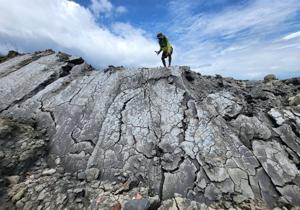
A portion of Trinidad's southwestern coast dramatically rose nearly 20 feet following twin earthquakes that devastated Venezuela last week. The uplift trapped hundreds of sea animals in rubble along the Galfa coastline, leaving a grim scene of dead fish, crabs, and stingrays.
I felt delusional because it looked like it was raised. The whole area was supposed to be flat and I know it has mud volcanoes and all kinds of things and there are plates running under here. It rose up the same night of the earthquakes. When I looked at the land, there was a set of fish. Within a split second, everything rose. If it was something gradual, the fish would have escaped.
Residents first noticed the altered shoreline on the morning after the earthquakes. Kamal, a local resident, described the surreal experience of seeing the land elevated, trapping marine life that had no chance to escape. "Within a split second, everything rose. If it was something gradual, the fish would have escaped," he said.
Neil Sookram, who documents local phenomena on his YouTube channel, shared his shock at the elevated beach and the scattered dead sea creatures. "I saw what looked like an elevated beach... There were a lot of dead fishes scattered all about. I saw them trapped under the rubble," he recounted.
I saw what looked like an elevated beach and I am an adventurous and curious person, so I ventured further in and I realised the beach was completely lifted. I thought maybe it was because of a fault line or something. There were a lot of dead fishes scattered all about. I saw them trapped under the rubble.
Geologist Xavier Moonan explained the event as a likely reactivated slump. He stated that the saturated soil and rocks, disturbed by the earthquakes' physical shifting, caused the landmass to slide downhill. This movement, he explained, lifted the coast and seabed out of the water so rapidly that marine life was caught unaware. "When the area was scooped up in the area, the animals were scooped up as well. The beach was lifted up because the hillside was tilted down," Moonan said. He noted a similar event occurred after a 2018 earthquake near Trinidad.
When it slumped downward, it lifted the coast, part of the beach and the seabed. It lifted it up out of the water. It happened so quickly that it caught fish, crabs and stingrays off guard and they were left out of the water, where they eventually died. Boulders rolled and crushed the stingrays. So it happened so quickly, they could not get out of the way. It happened in a matter of seconds. When the area was scooped up in the area, the animals were scooped up as well. The beach was lifted up because the hillside was tilted down.
DistantNews Editorial
Originally published by Trinidad Express in English. Translated, summarized, and contextualized by our editorial team with added local perspective. Read our editorial standards.
More Stories


From Our Blog

What Gets Lost (and Found) When News Is Translated

The Critical Role of Diaspora Media in Global News

What Travellers Should Know About Countries with Restricted Press

A Digital Nomad's Guide to Following Local News

How the Same Story Looks Different in Different Countries
