

TRIPP project: What is Trump pursuing in the Caucasus?
Translated from German and summarized by DistantNews. Read the original for the full story.
At a glance
In-depth
Sources not specified
New plan
- A proposed Trump-backed project in Armenia near the Iranian border would include a railway and pipelines.
- The planned infrastructure would run through a heavily guarded landscape along the Arax River, a historic boundary between Iran and territories to its north.
- The project is presented as an ambitious intersection of geopolitical interests and commercial profit.
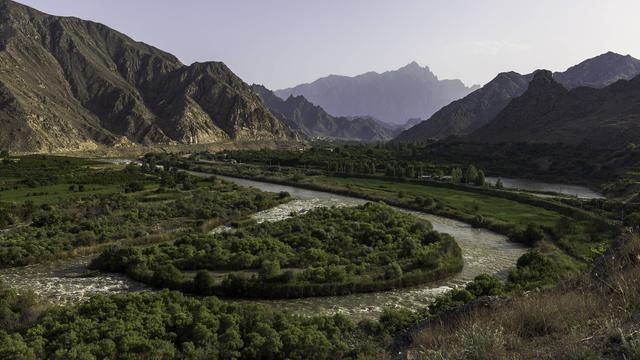
The Arax River roars between Armenia and Iran, cutting through the mountains in bends and rapids beside barbed wire and watchtowers. In this stark border landscape, Donald Trump wants a railway and pipelines built as part of the TRIPP project.
On the Iranian side, green fields line the river, and farmers use its water for agriculture. Apartment blocks and makeshift huts stand farther back, their brown, makeshift appearance matching the steppe. Rust-colored Soviet-era rail wagons sit in the no-man’s-land, reminders of the railway that once ran through the area.
The Armenian side has a country road, barriers and guard towers before the terrain rises sharply into the mountains. The proposed project would place major transport and energy infrastructure in this contested border setting, where geography and security are impossible to separate.
The project combines geopolitical ambition with the prospect of profit. Its scale and location make the plan appear audacious, extending from the immediate realities of the Armenian-Iranian frontier into a broader contest over regional connections and influence.
About this summary
Originally published by Die Zeit in German. Translated, summarized, and contextualized automatically by DistantNews, with a note on how the source frames the story. Not individually reviewed before publishing. How this works.
More Stories


From Our Blog

What Gets Lost (and Found) When News Is Translated

How the Same Story Looks Different in Different Countries

The Critical Role of Diaspora Media in Global News

What Travellers Should Know About Countries with Restricted Press

A Digital Nomad's Guide to Following Local News
