


Tropical Storm Jangmi Injures 9 in Japan, Thousands Without Power
Translated from English, summarized and contextualized by DistantNews.
At a glance
News
Named sources
Ongoing story
- Tropical storm Jangmi battered southwestern Japan on Tuesday, June 2, 2026, causing power outages and injuries.
- Tens of thousands of homes in Kagoshima and Okinawa lost power, and nine people were injured, some by flying debris.
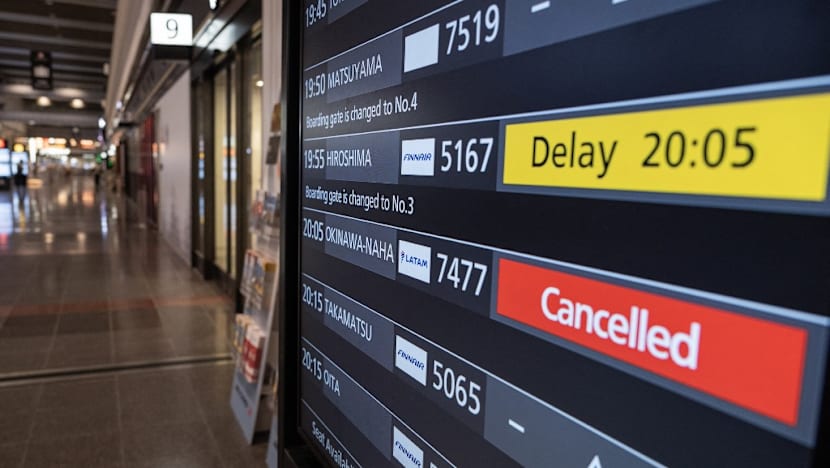
- Hundreds of flights were canceled, and authorities warned of high waves, landslides, and flooding as the storm moved north.
Tropical storm Jangmi struck southwestern Japan on Tuesday, June 2, 2026, leaving a trail of disruption that included widespread power outages and injuries. The storm, downgraded from a typhoon, battered the subtropical island of Okinawa before heading north, prompting warnings from the Japan Meteorological Agency about potential high waves, landslides, and flooding.
In the Kagoshima region of southwestern Japan, over 30,000 households were left without power. Another 17,000 homes in Okinawa also experienced blackouts on Tuesday morning. Top government spokesman Minoru Kihara reported that nine people sustained injuries in Okinawa, attributing them to Jangmi blowing objects into cars and strong winds causing people to lose their footing.
For those of you who are living in areas likely to be affected by the storm, please pay close attention to evacuation information issued by your municipalities, and stay mindful of early evacuation.
Public transportation in Tokyo and surrounding cities faced potential disruptions as the storm advanced northward. Kihara urged residents in affected areas to heed evacuation information issued by local municipalities and to prioritize their safety. "Please remain vigilant and make sure you take action to protect your life," he advised.
Japan's major airlines, All Nippon Airways and Japan Airlines, canceled a combined total of 600 flights scheduled between Monday and Wednesday due to the storm's impact. The severe weather underscored the vulnerability of the region to tropical cyclones and the significant logistical and safety challenges they present.
Please remain vigilant and make sure you take action to protect your life.
DistantNews Editorial
Originally published by CNA in English. Translated, summarized, and contextualized by our editorial team with added local perspective. Read our editorial standards.
More Stories


From Our Blog

What Gets Lost (and Found) When News Is Translated

The Critical Role of Diaspora Media in Global News

What Travellers Should Know About Countries with Restricted Press

A Digital Nomad's Guide to Following Local News

How the Same Story Looks Different in Different Countries
