

Trujillo Mayor Warns Over 2,000 Families at Risk from El Niño Rains
Translated from Spanish, summarized and contextualized by DistantNews.
At a glance
News
Named sources
Ongoing story
- Over 2,000 families in La Esperanza, Trujillo, are at risk due to potential heavy rains from El Niño.
- The district mayor warned that areas near quebradas (ravines) are most vulnerable to flooding and mudslides.
- Temporary preventive measures like cement walls and sandbags are being implemented, but a permanent drainage project is urgently needed.
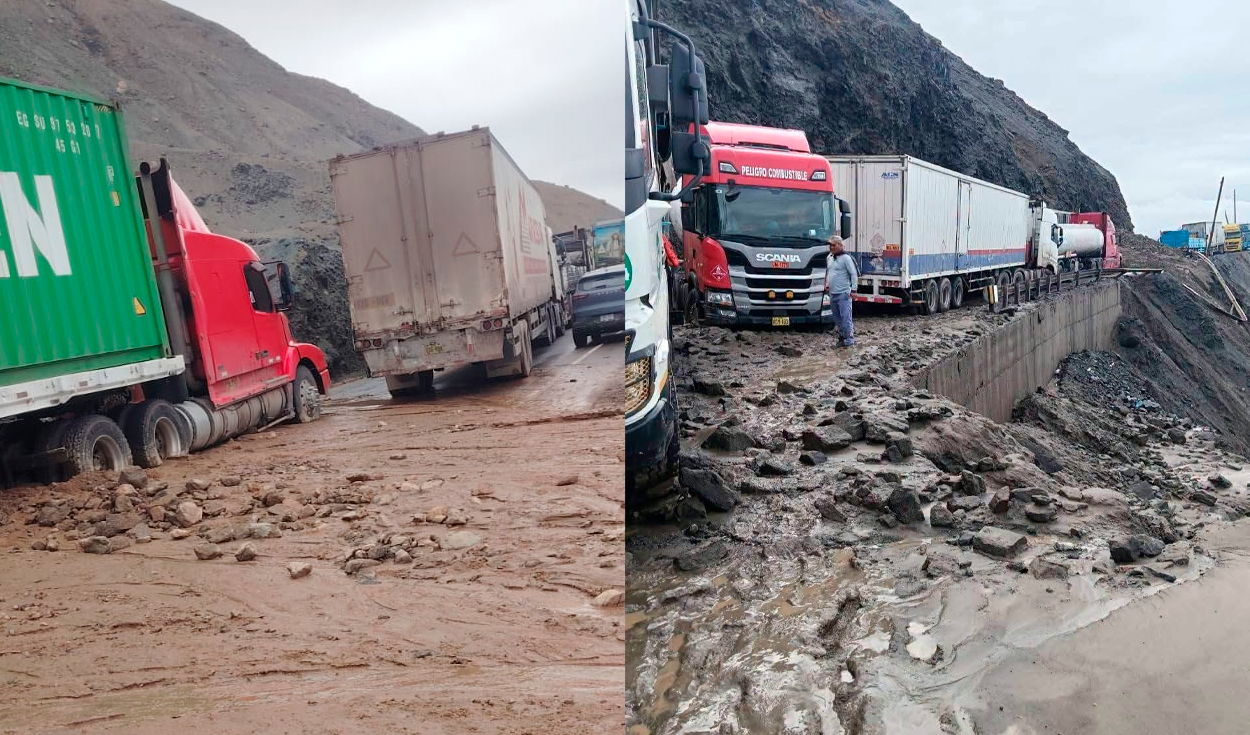
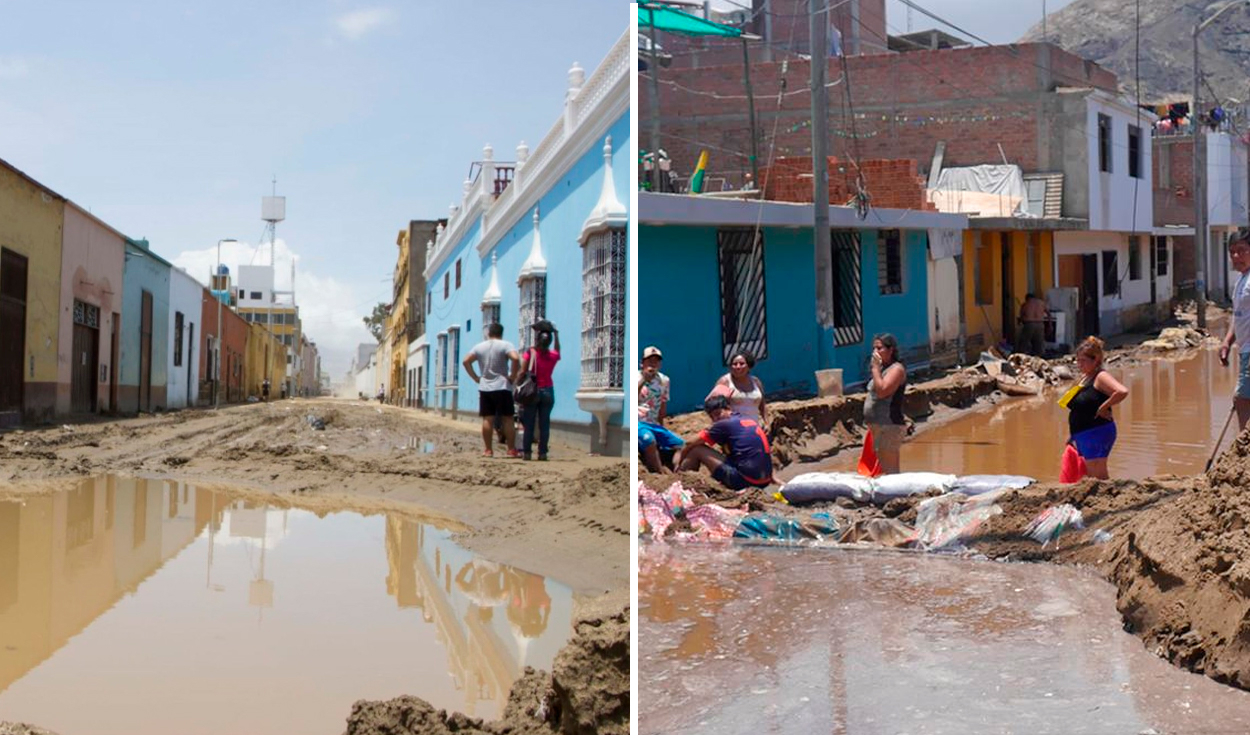
More than 2,000 families in the La Esperanza district of Trujillo face significant vulnerability as the region braces for potential heavy rains associated with the El Niño phenomenon. District Mayor Wilmer Sánchez has issued a stark warning, identifying communities along Benito Juárez, José Martí streets, and the Wichanzao area as particularly at risk. These areas are situated close to the Los Ángeles and Nuevo Indoamérica ravines, increasing the danger of flooding and mudslides should intense rainfall occur.
The geography in the district of La Esperanza is complicated, and in streets like Benito Juárez, José Martí and in the zone of Wichanzao, the water always accumulates, affecting many families. I calculate that more than 2 thousand families would be affected by the phenomenon of El Niño compared to what happened during El Yaku.
Sánchez highlighted the district's challenging geography, where water tends to accumulate rapidly in certain streets, affecting numerous homes. He estimates that over 2,000 families could be impacted by El Niño, potentially exceeding the effects experienced during the recent Yaku rains. In response, the La Esperanza Municipality, in collaboration with residents, has begun implementing temporary preventive measures. These include constructing cement walls in critical spots to block water from entering homes and coordinating the placement of sandbags to divert water flow.
For the moment, cement walls have been placed to prevent water from entering homes. The Municipality of La Esperanza, along with the neighbors, has done this. It is a momentary prevention effort. We are also working with them so that they place sandbags, so that the water can run through that area and not enter their homes. These are momentary, not definitive solutions.
However, the mayor acknowledged that these actions are merely provisional solutions and do not address the district's underlying structural problem. He stressed the urgent need to expedite the fluvial drainage project, which is managed by the National Infrastructure Authority (ANIN). This project aims to channel water from the Los Ángeles and Nuevo Indoamérica ravines towards the El León ravine and subsequently to the Pacific Ocean, thereby preventing water accumulation in La Esperanza's urban zones. The successful completion of this drainage system is seen as the primary alternative to mitigate the risks posed by future heavy rainfall.
The fluvial drainage project, which includes channeling the Los Ángeles and Nuevo Indoamérica ravines towards the El León ravine, is considered fundamental. The idea is that these waters be directed...
DistantNews Editorial
Originally published by La República in Spanish. Translated, summarized, and contextualized by our editorial team with added local perspective. Read our editorial standards.
More Stories
From Our Blog

What Gets Lost (and Found) When News Is Translated

The Critical Role of Diaspora Media in Global News

What Travellers Should Know About Countries with Restricted Press

A Digital Nomad's Guide to Following Local News

How the Same Story Looks Different in Different Countries
