


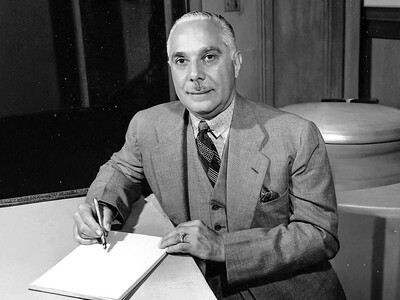
Trujillo's Banreservas Deposit Rules in Favor of the State
Translated from Spanish, summarized and contextualized by DistantNews.
At a glance
News
Sources not specified
Outcome reported
- A 76-year-old deposit made by Dominican dictator Rafael Leónidas Trujillo in Banreservas is the subject of a legal battle between his children and the state.
- Trujillo's children claimed $103 million in inherited funds, arguing a 1950 deposit contract was valid.
- The Dominican Supreme Court ruled the funds, originating from state coffers and obtained illicitly, belong to the state.
A 76-year-old deposit made by Dominican dictator Rafael Leónidas Trujillo in Banreservas has sparked a protracted legal battle between his children and the state. The dispute centers on $2.3 million deposited in 1950, intended for Trujillo's lover, Lina Altagracia Lovatón Pittaluga, and their two children.
Decades later, Rafael José Ramón Trujillo Lovatón and Yolanda Altagracia Trujillo Lovatón, as heirs to their mother, sought to reclaim the funds. By 2013, they calculated the original $2.3 million, with accumulated interest, had grown to approximately $103 million, or over 4,400 million pesos at the time.
The Dominican justice system, however, deemed the funds subject to Law 5785-62, enacted after the dictatorship's fall to confiscate the assets of Trujillo and his associates. The Supreme Court's First Chamber, in a 2025 ruling, determined that even though Lina Lovatón was not explicitly named in the confiscation law, her relationship with Trujillo and the dictator's intent to benefit her meant the funds were part of the confiscated patrimony.
The court further asserted that the money originated from the public treasury and was illicitly obtained, mandating its return to the Dominican state. The Trujillo Lovatón siblings argued for the contract's validity, but their appeals to the Constitutional Court were also unsuccessful, leaving the state's claim to the funds intact.
DistantNews Editorial
Originally published by Diario Libre in Spanish. Translated, summarized, and contextualized by our editorial team with added local perspective. Read our editorial standards.
More Stories



From Our Blog

What Gets Lost (and Found) When News Is Translated

The Critical Role of Diaspora Media in Global News

What Travellers Should Know About Countries with Restricted Press

A Digital Nomad's Guide to Following Local News

How the Same Story Looks Different in Different Countries
