


Trump administration actions could lead to institutionalizing disabled people, advocates warn
Translated from English, summarized and contextualized by DistantNews.
At a glance
News
Named sources
Context piece
- Advocates warn that the Trump administration's actions could lead to the institutionalization of people with disabilities.
- Oversight of special education is shifting from the Department of Education to Health and Human Services, led by Robert F. Kennedy Jr.
- Guidance from the Department of Justice has lowered the barrier for institutionalizing individuals with disabilities, raising concerns about a return to past practices.
Advocates are raising alarms that actions by the Trump administration signal a move toward institutionalizing people with disabilities, potentially reversing decades of progress in civil rights. These concerns stem from recent shifts in oversight and guidance that critics fear could marginalize disabled individuals.
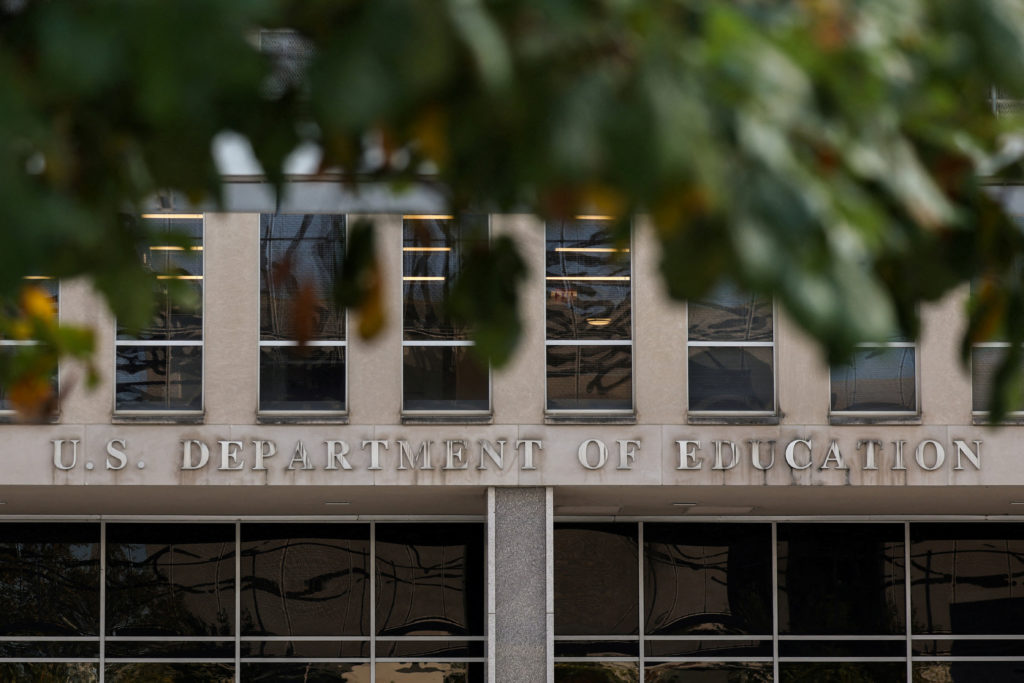
The Department of Education announced it would transfer oversight of special education to the Department of Health and Human Services. This department is led by Robert F. Kennedy Jr., whose past comments on the limitations of disabilities like autism have drawn sharp criticism from disability rights groups and lawmakers. Advocates worry that this move signifies a return to a "medical model" of disability, viewing it as a defect to be cured rather than a difference to be accommodated.
It's a direct, frontal assault on the rights of people with disabilities to live their lives the way that people who are nondisabled live their lives.
Furthermore, the Department of Justice has issued guidance that lowers the threshold for institutionalizing any person with a disability, following a White House initiative to address homelessness. Taken together, these developments are seen by advocates as a "direct, frontal assault" on the rights of people with disabilities to live integrated lives within their communities, similar to those without disabilities.
Since the 1960s, legislation and court decisions have aimed to expand support and protections, enabling individuals with disabilities to attend school and live in community settings. The "social model" of disability, which emphasizes accommodation and support, has gained traction over the "medical model." Advocates like Zoe Gross of the Autistic Self Advocacy Network question whether Kennedy, given his past remarks about autistic individuals, can faithfully oversee an agency tasked with helping students develop skills like writing poetry or paying taxes.
Many of the things he said autistic people will never do, (special education) is in charge of making sure students with disabilities have the opportunity to do.
DistantNews Editorial
Originally published by PBS NewsHour in English. Translated, summarized, and contextualized by our editorial team with added local perspective. Read our editorial standards.
More Stories


From Our Blog

How the Same Story Looks Different in Different Countries

What Gets Lost (and Found) When News Is Translated

The Critical Role of Diaspora Media in Global News

What Travellers Should Know About Countries with Restricted Press

A Digital Nomad's Guide to Following Local News
