


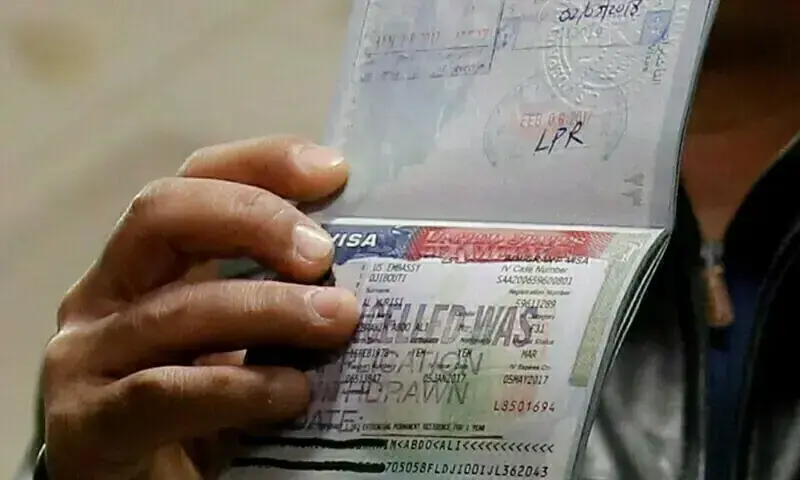
Trump administration finalizes overhaul of foreign journalists' visas, ending 'duration of status' system
Translated from English, summarized and contextualized by DistantNews.
At a glance
News
Sources not specified
New plan
- The Trump administration has finalized new U.S. visa rules for foreign journalists, ending the 'duration of status' system.
- Journalists will now receive fixed-term admissions, requiring periodic government review and potentially limiting stays to 240 days, with Chinese journalists facing a 90-day limit.
- Press freedom advocates criticize the changes, warning they could enable political interference and undermine independent reporting by allowing visa renewals to be denied in retaliation for critical coverage.
The Trump administration has enacted a significant overhaul of U.S. visa regulations for foreign journalists, replacing the long-standing "duration of status" system with fixed-term admissions. This new policy mandates periodic government reviews for reporters seeking to work in the United States.
The Department of Homeland Security (DHS) announced the final rule, which generally limits journalists holding I visas to 240-day admissions, a stark contrast to the previous system that allowed stays for the duration of an assignment, sometimes spanning several years. Journalists from China will face a stricter limit of 90-day admissions.
Changing the terms of foreign journalists’ visas might appear subtle, but it can have profound implications for press freedom.
Under the revised regulations, foreign journalists wishing to extend their stay beyond the initial period must apply for an extension and undergo additional vetting, including national security reviews. While an extension application is pending, journalists can continue working for up to 240 days, or 90 days for Chinese nationals. The rule also applies to academic students (F visas) and exchange visitors (J visas), standardizing admission periods and extension procedures.
DHS stated the changes aim to enhance oversight and ensure compliance with visa terms. However, press freedom advocates have voiced strong opposition. Gabe Rottman of the Reporters Committee for Freedom of the Press warned that the new system could "create opportunities for political interference in newsgathering" and "undermine independent reporting." He expressed concern that the policy might allow the government to deny visa renewals as a form of retaliation against journalists producing critical coverage.
create opportunities for political interference in newsgathering
DistantNews Editorial
Originally published by Dawn in English. Translated, summarized, and contextualized by our editorial team with added local perspective. Read our editorial standards.
More Stories

From Our Blog

What Gets Lost (and Found) When News Is Translated

The Critical Role of Diaspora Media in Global News

What Travellers Should Know About Countries with Restricted Press

A Digital Nomad's Guide to Following Local News

How the Same Story Looks Different in Different Countries
