


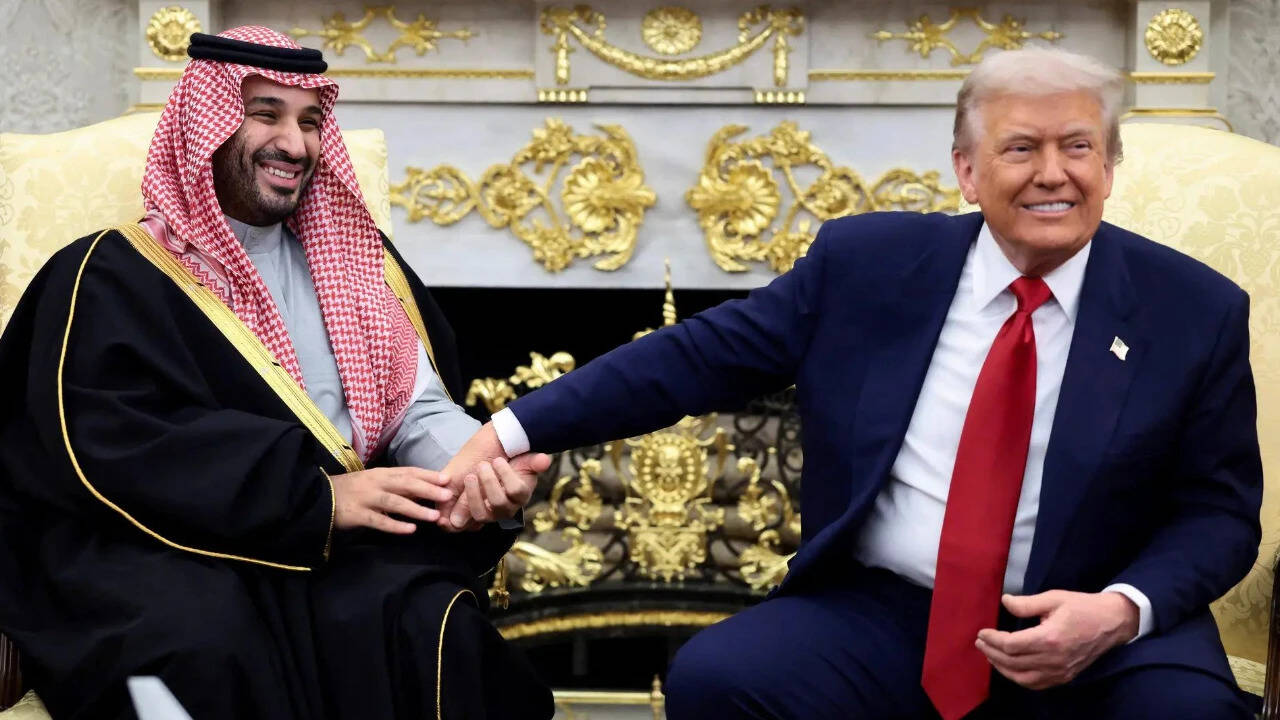
Trump Administration Sends Saudi Nuclear Deal to Congress, Ties Approval to Israel Normalization
Translated from English, summarized and contextualized by DistantNews.
At a glance
News
Named sources
New plan
- The Trump administration has submitted a proposed civil nuclear cooperation agreement with Saudi Arabia to Congress for review.
- The deal will only proceed if Saudi Arabia agrees to normalize relations with Israel as part of the Abraham Accords.
- Congress has 90 days to review the pact, which aims to allow U.S. companies to develop Saudi Arabia's civilian nuclear program, but faces scrutiny over non-proliferation concerns.
The Trump administration has formally submitted a proposed civil nuclear cooperation agreement with Saudi Arabia to Congress, signaling a significant step in U.S.-Saudi energy relations. However, the deal's advancement is explicitly tied to Saudi Arabia's commitment to normalizing relations with Israel, a condition set by President Donald Trump.
The agreement, signed by U.S. Energy Secretary Chris Wright and Saudi Energy Minister Prince Abdulaziz bin Salman last month, would enable American companies to play a key role in developing Saudi Arabia's civilian nuclear program. This pact is intended to last for 30 years and facilitate the use of U.S. technology, including AP1000 reactors, in building Saudi nuclear infrastructure.
Under the U.S. Atomic Energy Act, Congress has a 90-day review period. If lawmakers do not pass a joint resolution to reject it, the pact can take effect without a further vote. This submission follows President Trump's earlier statements linking the nuclear deal's approval to Saudi Arabia's participation in the Abraham Accords, the U.S.-brokered framework for normalizing ties between Israel and Arab nations.
the agreement would only take effect if Saudi Arabia joins the Abraham Accords, the US-brokered framework for normalising relations between Israel and Arab and Muslim-majority countries.
Despite the administration's push, the agreement faces scrutiny from some Democratic lawmakers and non-proliferation advocates. Concerns have been raised regarding the pact's provisions on uranium enrichment and nuclear waste reprocessing, which critics argue could potentially pave the way for nuclear weapons development. This contrasts with the more restrictive "gold standard" accepted by the United Arab Emirates in its nuclear agreement with the U.S.
The condition linking the nuclear deal to Saudi-Israel normalization presents a potential hurdle. Saudi Arabia has consistently maintained that it would only establish diplomatic relations with Israel if a clear and irreversible path toward Palestinian statehood is established, a stance that Israeli Prime Minister Benjamin Netanyahu has rejected on security grounds.
the civil nuclear deal would be approved but was “totally subject to Saudi Arabia joining the very respected and successful Abraham Accords”.
DistantNews Editorial
Originally published by Times of India in English. Translated, summarized, and contextualized by our editorial team with added local perspective. Read our editorial standards.
More Stories


From Our Blog

What Press Freedom Means for the News You Read

What Gets Lost (and Found) When News Is Translated

The Critical Role of Diaspora Media in Global News

What Travellers Should Know About Countries with Restricted Press

A Digital Nomad's Guide to Following Local News
