


Trump Approval Rating Hits 33% Low; Only 20% See Value in Iran Conflict
Translated from Korean, summarized and contextualized by DistantNews.
At a glance
News
Named sources
Context piece
- U.S. President Donald Trump's approval rating has fallen to a new low of 33% since his second term began.
- A significant majority of Americans (80%) anticipate the conflict with Iran will be prolonged, with only 20% believing it is worth the cost.
- The Republican party is facing challenges in upcoming midterm elections, with Democrats now leading in public opinion on economic policy.
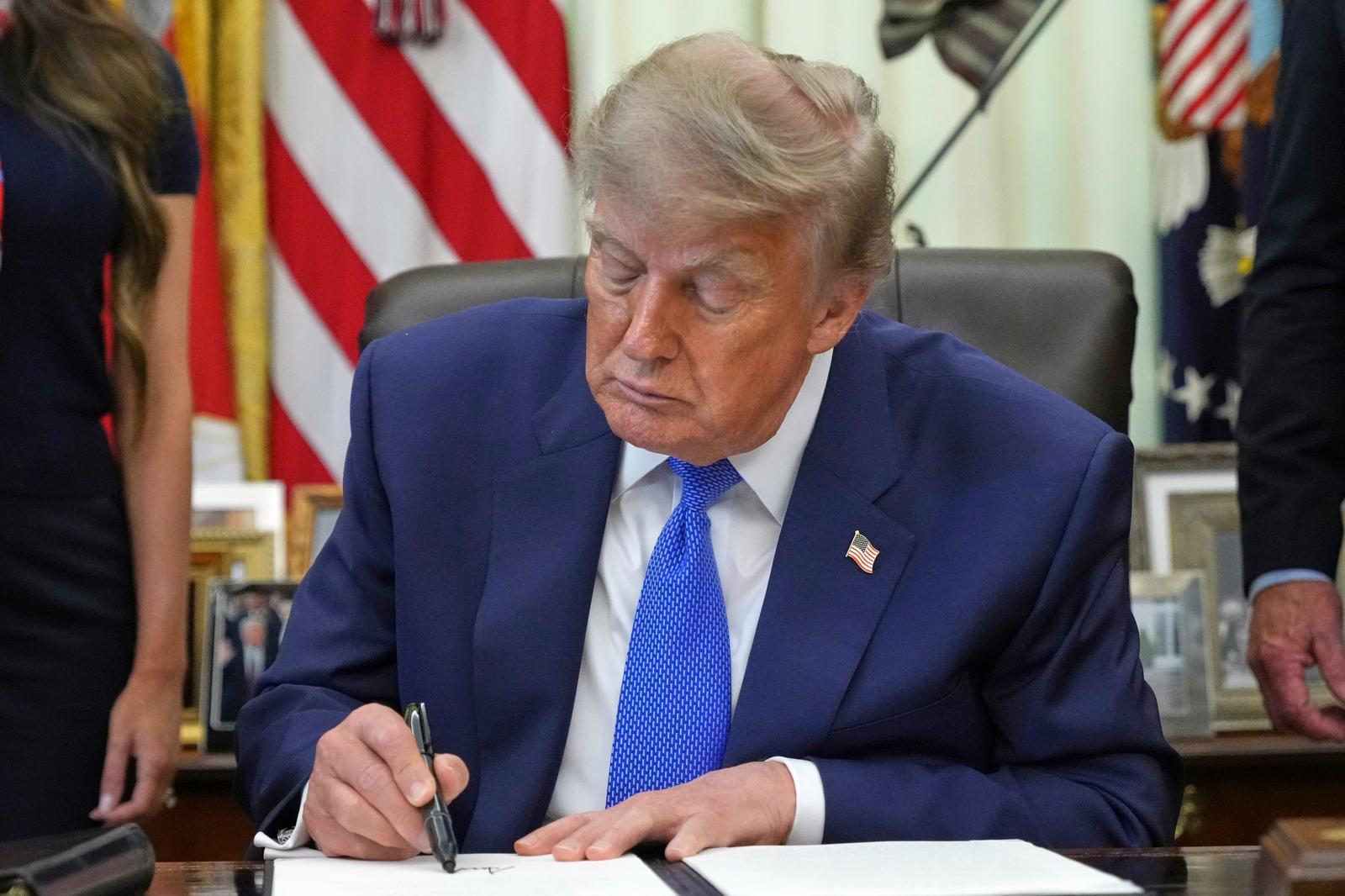
U.S. President Donald Trump's job approval rating has hit a new low of 33% among American adults, according to a recent Reuters poll. This marks a 2% drop from early in the month and matches the lowest point recorded during his first term in December 2017. The decline is attributed, in part, to the ongoing conflict with Iran and its subsequent impact on oil prices and the cost of living.
The poll, conducted between October 14-17 among 1166 U.S. adults, also revealed that 80% of respondents believe the U.S. involvement in the Iran conflict will be long-term. Only 16% expect it to conclude within weeks, and a mere 20% consider the war to have been worth the cost. These sentiments were shared across party lines, with 87% of Democrats and 71% of Republicans anticipating a prolonged engagement.
As the midterm elections approach in November, the Republican party is experiencing a dip in its traditional areas of strength. For the first time in about a decade, more Americans now view the Democratic party as better equipped to handle economic policy, with 38% favoring Democrats compared to 35% for Republicans. The gap has also narrowed significantly in immigration policy, with Democrats at 38% and Republicans at 40%, a stark contrast to the 26-percentage-point lead Republicans held just last January. The margin of error for the poll is plus or minus 3 percentage points.
DistantNews Editorial
Originally published by Dong-A Ilbo in Korean. Translated, summarized, and contextualized by our editorial team with added local perspective. Read our editorial standards.
More Stories


From Our Blog

What Gets Lost (and Found) When News Is Translated

The Critical Role of Diaspora Media in Global News

What Travellers Should Know About Countries with Restricted Press

A Digital Nomad's Guide to Following Local News

How the Same Story Looks Different in Different Countries
