


Trump at the Whistle: Geopolitics Overshadows 2026 World Cup
Translated from French, summarized and contextualized by DistantNews.
At a glance
Analysis
Sources not specified
Context piece
- The 2026 World Cup, hosted across North America, faces geopolitical tensions impacting its organization and perception.
- US immigration policies and visa restrictions are creating obstacles for delegations and fans, raising concerns about equitable treatment.
- The tournament's global football celebration is overshadowed by power dynamics and separation logics, with geopolitics currently dominating.
As the 2026 World Cup approaches, the anticipated enthusiasm is being tempered by geopolitical tensions that are altering the tournament's perception. Initially presented as a unique continental edition, the event is increasingly appearing centered on the United States, where power politics and immigration policies are significantly influencing its organization.
The initial organizational issues extend beyond mere logistics, reflecting concrete political choices. Visa restrictions and U.S. immigration policies are complicating entry for certain delegations. The exclusion of 15 members from the Iranian delegation exemplifies these administrative hurdles, which have become highly sensitive.
The exclusion of 15 members of the Iranian delegation confirms these administrative obstacles, which have become highly sensitive.
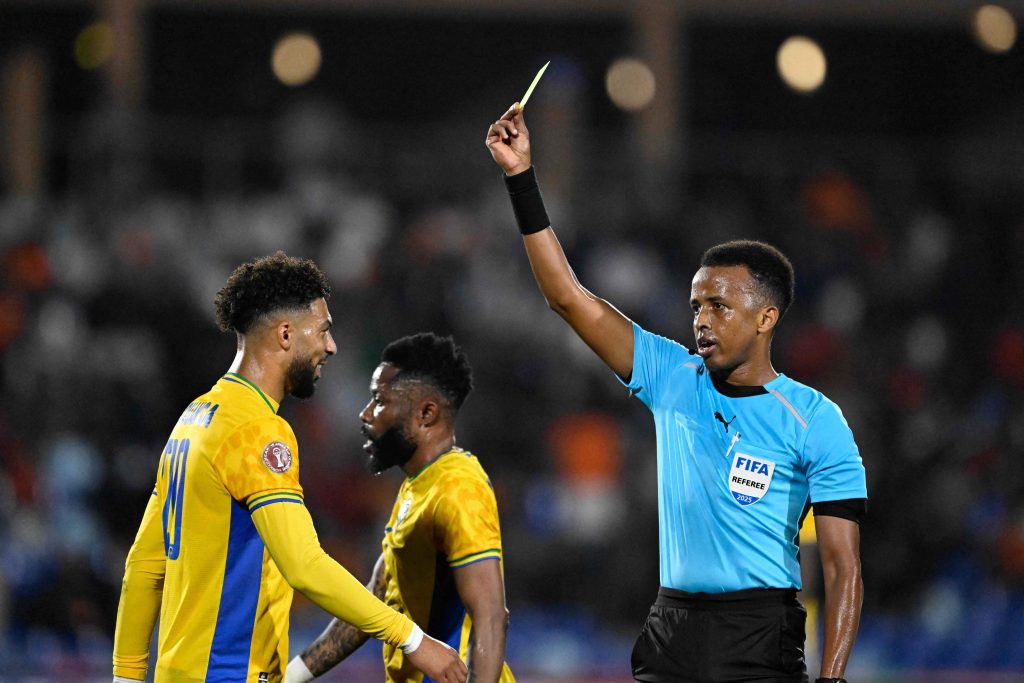
The case of Somali referee Omar Abdulkadir Artan, recognized as the best referee by CAF in 2025, has amplified these concerns. Denied entry despite his official status, he symbolizes the disconnect between football's discourse of universality and the realities of immigration control. This incident questions the tournament's ability to ensure fair treatment for all participants.
Denied entry despite his official status, he embodies the gap between the discourse of universality of football and the realities of migratory control.
In this context, FIFA appears to be adopting a passive stance, a notable contrast to its usual firmness with less influential federations. The awarding of the "Peace Prize" to Donald Trump by FIFA in December 2025 was seen by some observers as a further indication of political proximity.
On a sporting and human level, the consequences are already emerging. Faced with diplomatic tensions, Iran has had to establish its base camp in Tijuana, Mexico, for its preparations. This unprecedented situation affects not only teams but also supporters. Several South American fans are hesitant to travel to the United States, deterred by fears of border controls and immigration procedures. This reluctance could diminish the vibrant atmosphere typically associated with the tournament.
The awarding of the 'Peace Prize' to Donald Trump in December 2025 by FIFA has been interpreted by some observers as an additional sign of political proximity.
Thus, the 2026 World Cup opens with a paradox. Intended as a global celebration of football, it is already marked by logics of separation and tension. Before the first whistle, it resembles a field where two competitions are unfolding simultaneously: one of the ball, and another of power. Currently, geopolitics seems to be leading the score.
Several South American fans hesitate to travel to the United States, deterred by the fear of border controls and migratory procedures.
DistantNews Editorial
Originally published by El Watan in French. Translated, summarized, and contextualized by our editorial team with added local perspective. Read our editorial standards.
More Stories
From Our Blog

What Gets Lost (and Found) When News Is Translated

The Critical Role of Diaspora Media in Global News

What Travellers Should Know About Countries with Restricted Press

A Digital Nomad's Guide to Following Local News

How the Same Story Looks Different in Different Countries
