

Trump Defends Iran Missile Deal, Calls Them Less Risky Than Nuclear Weapons
Translated from English, summarized and contextualized by DistantNews.
At a glance
News
Named sources
New plan
- U.S. President Donald Trump defended a new memorandum of understanding with Iran regarding ballistic missiles.
- Trump stated it would be unfair for Iran not to possess missiles if other regional countries have them.
- He distinguished missile threats from nuclear weapons, calling missiles less globally risky.
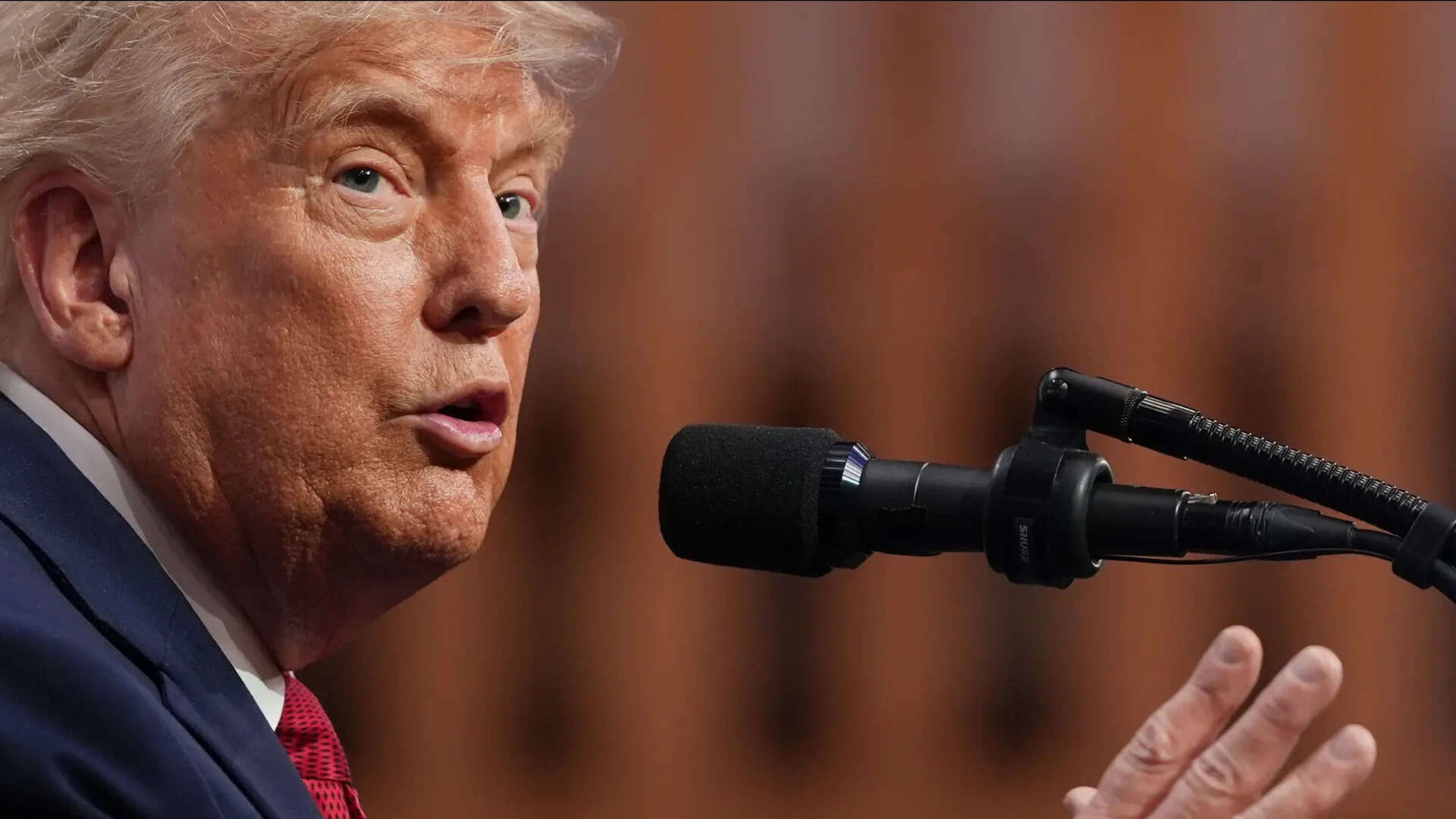
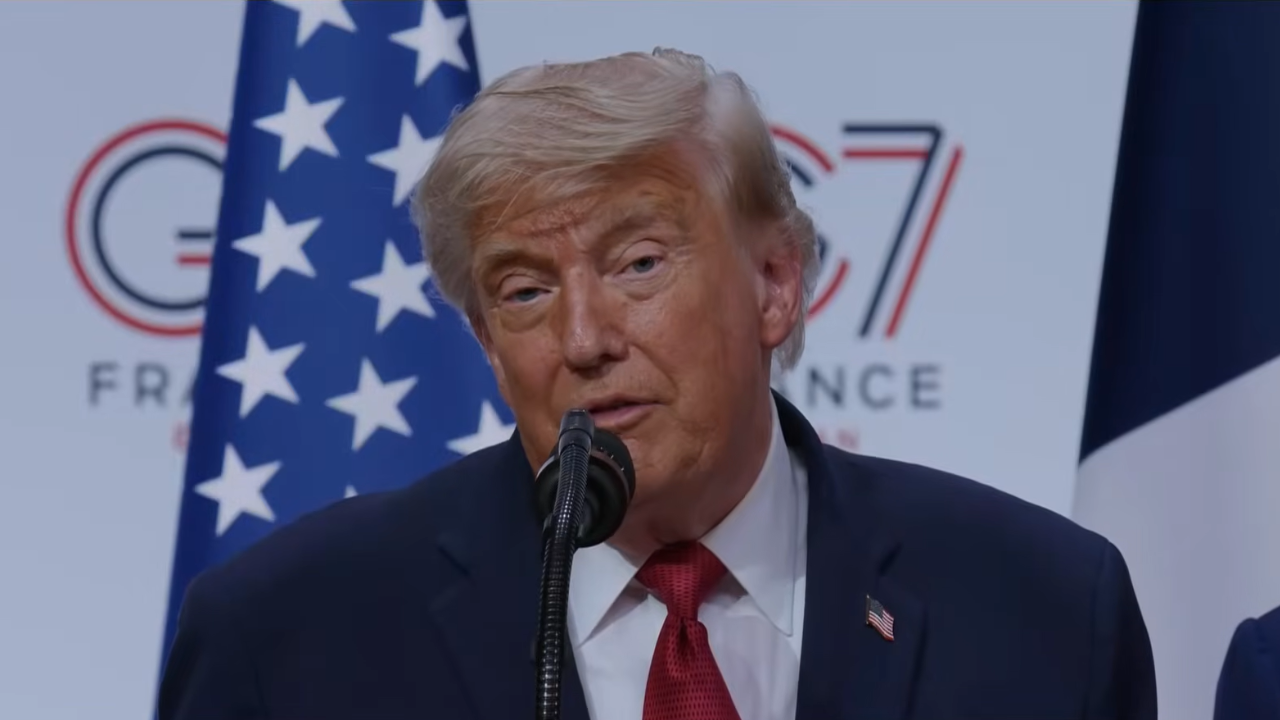
U.S. President Donald Trump has defended a recently signed memorandum of understanding with Iran concerning ballistic missiles, suggesting it would be inequitable for Tehran to be denied such capabilities if other regional nations possess them. Speaking in Paris on the sidelines of a G7 summit, Trump told reporters that the possession of missiles by countries like Saudi Arabia and Qatar makes it "a little bit unfair" for Iran not to have some.
I'm saying that if other countries have them, it's a little bit unfair for them not to have some
Trump's remarks signal a potential shift in Washington's stance on Iran's missile program, an issue Israel has consistently demanded be dismantled as part of any broader settlement. Israeli Prime Minister Benjamin Netanyahu has frequently linked Iran's missile capabilities to broader security threats, including its nuclear program and regional activities. However, Trump indicated that missile issues would not be treated with the same gravity as nuclear weapons.
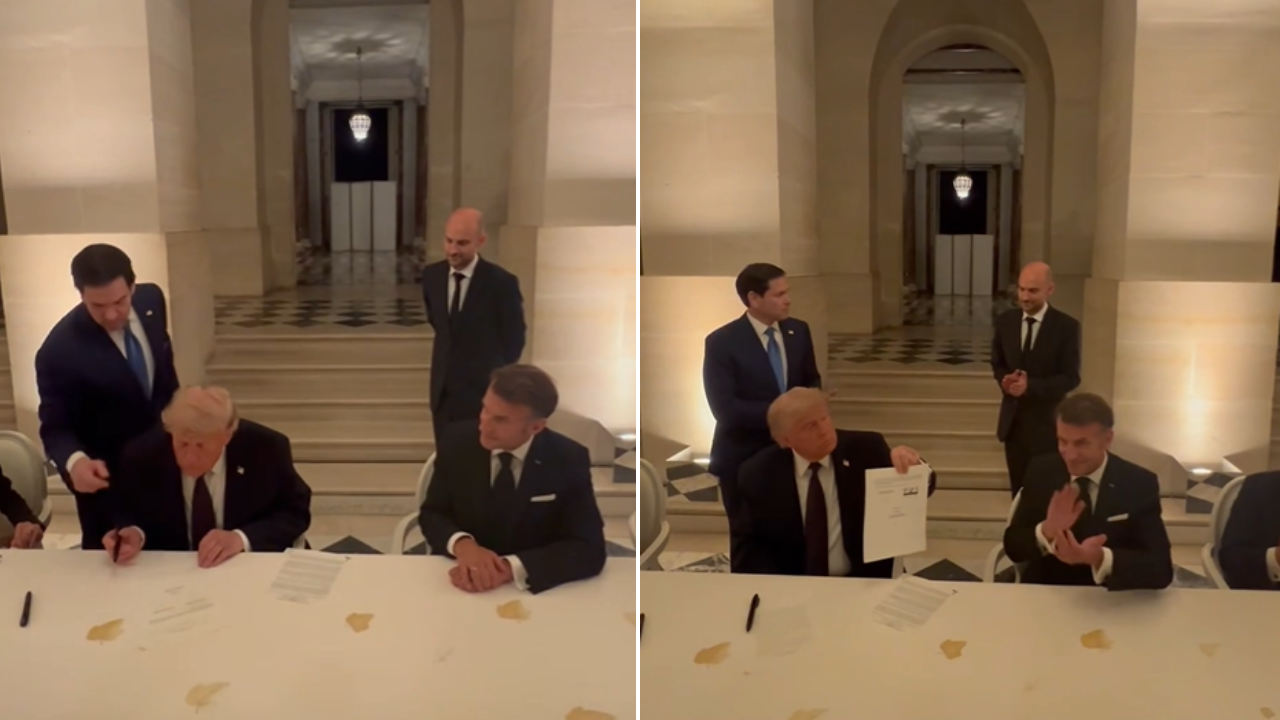
"Missiles aren’t the problem… They hurt a little location, but they don’t blow up the planet (like nuclear weapons do)," Trump was quoted as saying. He added that missile-related matters would remain a subject for future negotiations. A U.S. official confirmed that Trump and Iranian President Masoud Pezeshkian digitally signed the memorandum, which had been previously signed by U.S. Vice President JD Vance and Iran's chief negotiator Mohammad Baqer Qalibaf.
Missiles aren’t the problem… They hurt a little location, but they don’t blow up the planet (like nuclear weapons do)
Despite the confirmation, the full text of the agreement has not been publicly released by the United States. This interim arrangement is expected to lay the groundwork for further discussions aimed at converting the framework into a more comprehensive settlement in the coming weeks.
The text of the Islamabad Memorandum of Understanding was finalized with the signatures of the presidents, now it is time to test the implementation of the agreement.
DistantNews Editorial
Originally published by Times of India in English. Translated, summarized, and contextualized by our editorial team with added local perspective. Read our editorial standards.
More Stories

From Our Blog

What Press Freedom Means for the News You Read

What Gets Lost (and Found) When News Is Translated

The Critical Role of Diaspora Media in Global News

What Travellers Should Know About Countries with Restricted Press

A Digital Nomad's Guide to Following Local News
