

Trump Denies Iran's Supreme Leader is Dead, Claims Severe Injury
Translated from Korean, summarized and contextualized by DistantNews.
At a glance
News
Sources not specified
Context piece
- U.S. President Donald Trump denied reports of Iran's Supreme Leader Mojtaba Khamenei's death, stating he believes Khamenei is severely injured.
- Trump suggested Iranian authorities might be faking Khamenei's survival, noting that officials still appear to consult him on important matters.
- Trump expressed skepticism about the possibility of regime change in Iran, citing the harsh threats faced by protestors.
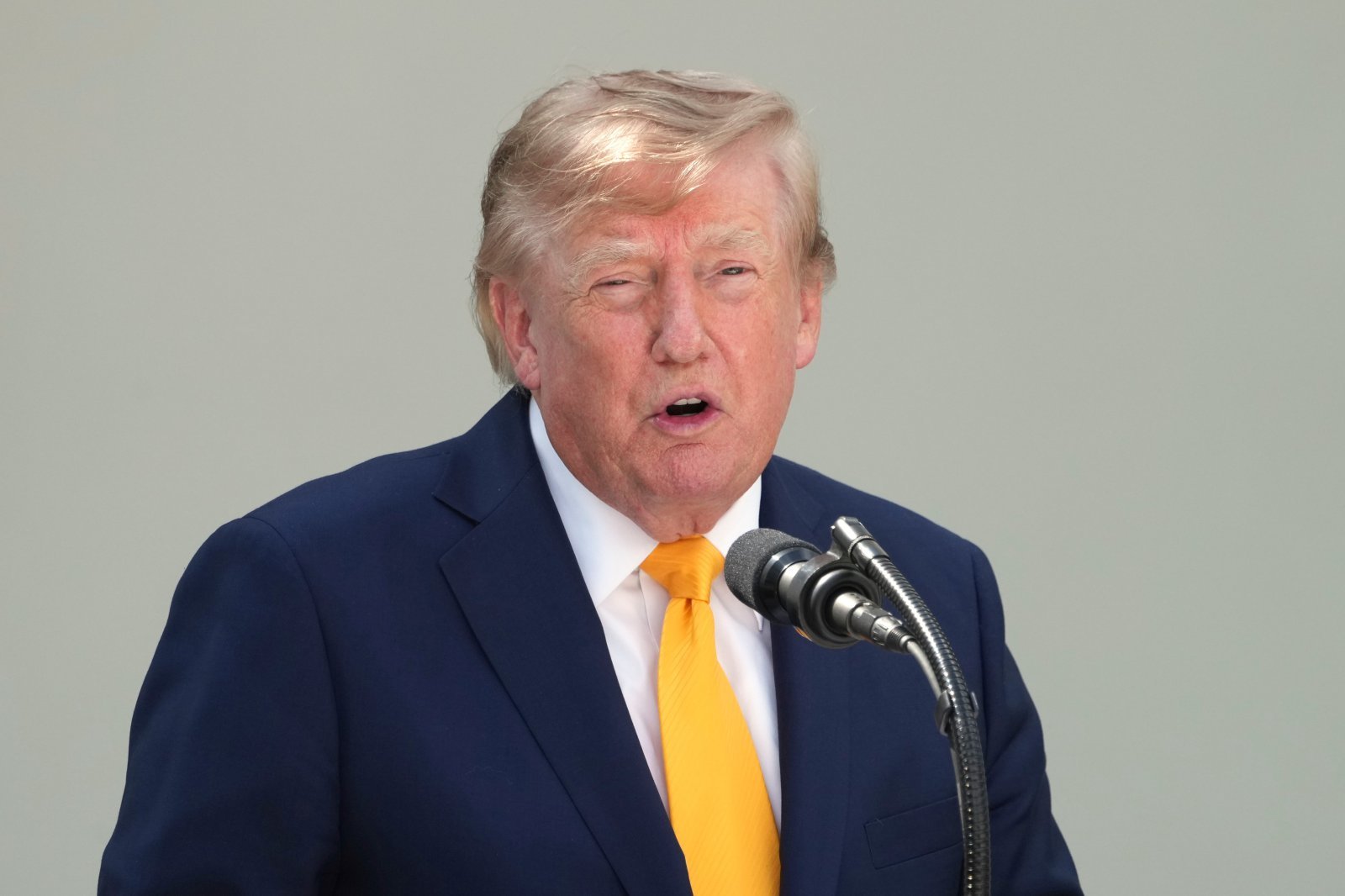
Former U.S. President Donald Trump has weighed in on unconfirmed reports regarding the health of Iran's Supreme Leader, Mojtaba Khamenei. Dismissing claims of Khamenei's death, Trump asserted in a phone interview with conservative broadcaster Glenn Beck that the leader is, in fact, "very seriously injured." Trump elaborated, "I think he's badly injured on his left side, his arm and leg, but I don't think he's dead."
I don't think he's dead.
Adding a layer of intrigue, Trump speculated that Iranian authorities could be orchestrating a deception, presenting Khamenei as alive despite his potential demise. He pointed to the continued appearance of Iranian officials consulting with Khamenei and seeking his final approval on critical decisions as evidence of this alleged cover-up. Trump also cast doubt on the Iranian negotiation team, describing them as "not the most honorable group" and suggesting that "anything is possible."
He's very seriously injured... I think he's badly injured on his left side, his arm and leg, but I don't think he's dead.
During the interview, Trump also touched upon the broader geopolitical landscape, expressing confidence in the U.S.'s "incredible financial capability" to achieve victory in potential conflicts with Iran. However, he remained skeptical about the prospects of internal regime change driven by popular protests within Iran.
The most honorable group is not.
Trump attributed the lack of widespread protests to the severe risks faced by demonstrators. He described a situation where "snipers are positioned on the roofs of buildings" and protestors are met with gunfire. "Even if 100,000 to 200,000 people gathered, if five, six, or ten people fall, anyone will leave the scene," Trump explained, suggesting that the threat of lethal force makes organized dissent extremely difficult in the country.
Our financial capability is incredible. This power is leading to a very big victory.
DistantNews Editorial
Originally published by Dong-A Ilbo in Korean. Translated, summarized, and contextualized by our editorial team with added local perspective. Read our editorial standards.
More Stories

From Our Blog

What Gets Lost (and Found) When News Is Translated

The Critical Role of Diaspora Media in Global News

What Travellers Should Know About Countries with Restricted Press

A Digital Nomad's Guide to Following Local News

How the Same Story Looks Different in Different Countries
