


Trump Favors Economic Pressure Over Military Action Against Iran, Cites "Low Key" Response
Translated from Korean, summarized and contextualized by DistantNews.
At a glance
News
Named sources
Ongoing story
- U.S. President Donald Trump indicated a preference for economic pressure over military action against Iran, stating the U.S. is responding "low key."
- Trump cited Iran's struggles with hyperinflation and lack of funds, exacerbated by U.S. maritime blockade and falling oil prices.
- Negotiations regarding the Strait of Hormuz remain stalled, with internal divisions within Iran reportedly hindering progress.
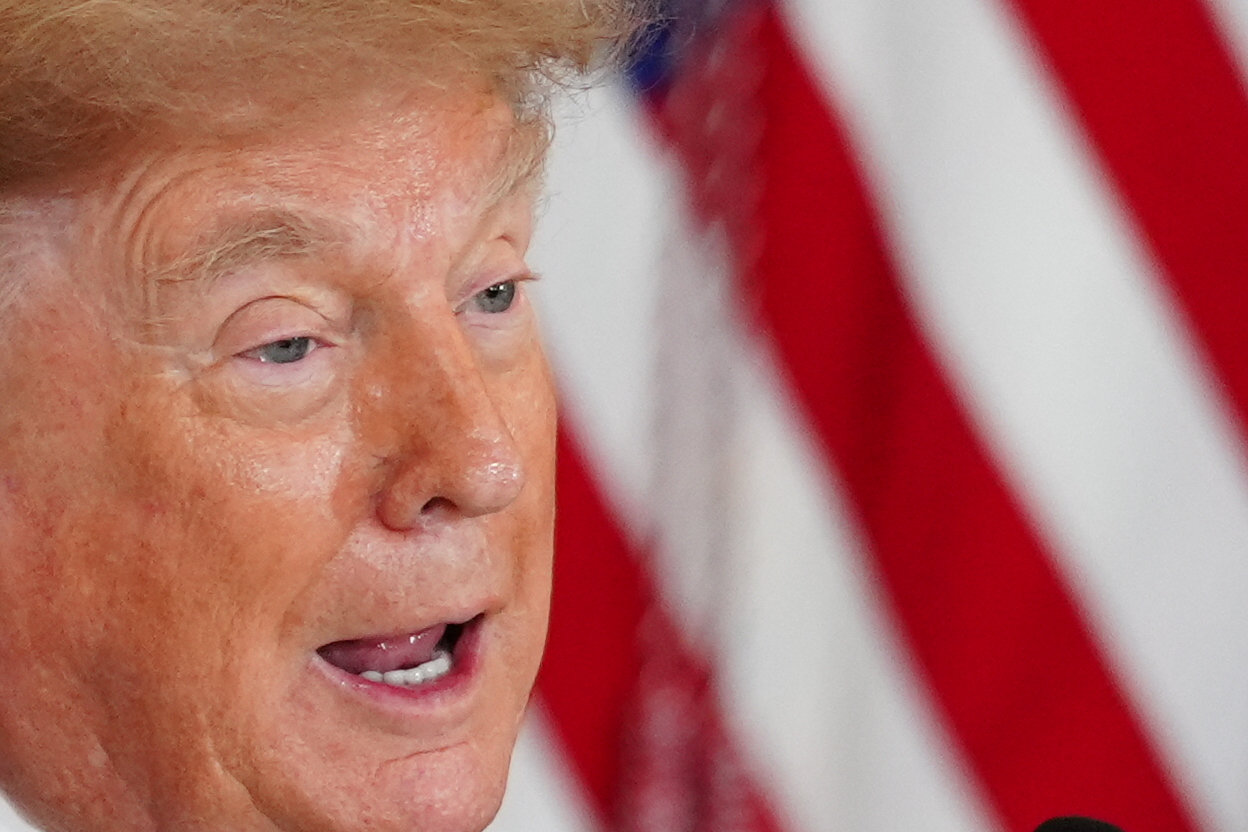
U.S. President Donald Trump has signaled a strategic shift towards economic pressure rather than military engagement with Iran, describing the current U.S. approach as "low key." In a conversation with Axios, Trump stated that the U.S. is "halfway negotiating" with Iran, observing the country's severe hyperinflation and financial difficulties.
We are responding low key. We are halfway negotiating with them. We are watching Iran go through hyperinflation and they have no money.
Trump attributed Iran's economic woes partly to the U.S. maritime blockade, which he believes has worsened the situation. He also noted the benefit to American consumers from oil prices hovering just above $75 per barrel (West Texas Intermediate). Describing the ongoing interactions as a "chess game," Trump expressed confidence that the situation would be resolved favorably.
Meanwhile, negotiations between Iran, Oman, and the U.S. concerning passage through the Strait of Hormuz have reportedly stalled. Mediators had anticipated an agreement by December 12, but recent developments suggest otherwise. U.S. government sources indicate that Iran's leadership is divided between factions favoring a deal with the U.S. to avert economic collapse and hardliners in the Revolutionary Guard Corps who oppose any agreement.
It's going to work out fine. It always has worked out fine. It's like a chess game.
Iran's Supreme National Security Council Secretary Mohammad Bagher Ghalibaf outlined six conditions for reopening the Strait, including ending threats against Iran, permanently ceasing war with Iran and its allies, lifting the maritime blockade, withdrawing U.S. troops from the region, compensating for war damages, and releasing frozen assets. These demands, initially presented for nuclear talks, have now been escalated as prerequisites for reopening the Strait of Hormuz, reflecting internal political dynamics within Iran.
Until the United States stops its violations of the memorandum of understanding and compensates for the violations, there is no possibility of resuming negotiations.
DistantNews Editorial
Originally published by Hankyoreh in Korean. Translated, summarized, and contextualized by our editorial team with added local perspective. Read our editorial standards.
More Stories


From Our Blog

What Gets Lost (and Found) When News Is Translated

The Critical Role of Diaspora Media in Global News

What Travellers Should Know About Countries with Restricted Press

A Digital Nomad's Guide to Following Local News

How the Same Story Looks Different in Different Countries
