


Trump move to cut drills with South Korea shocks experts, analysts
Summarized and contextualized by DistantNews.
At a glance
News
Named sources
New plan
- President Trump announced a significant scaling back of joint military drills with South Korea, citing cost and his relationship with North Korean leader Kim Jong Un.
- The decision has alarmed experts and analysts, who view it as a potentially destabilizing move that could weaken US alliances and signal disengagement from Asia.
- Critics worry that Trump's actions undermine US credibility as an ally, particularly as China and Russia observe the shifting dynamics.
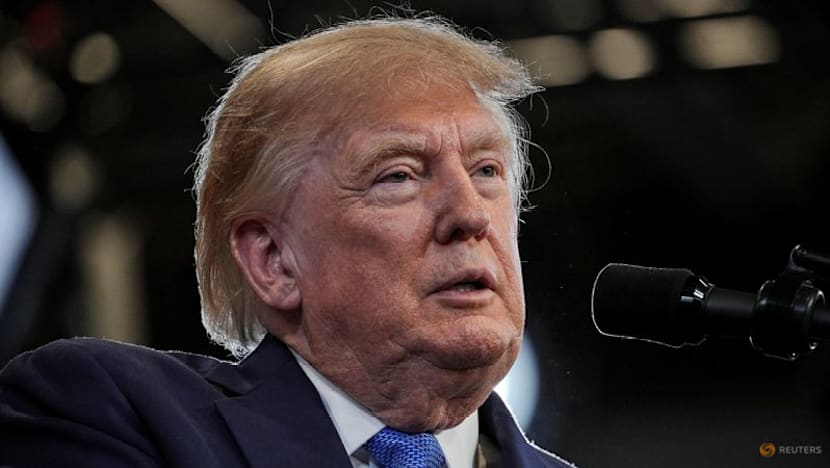
President Donald Trump's decision to scale back joint military drills with South Korea has sent shockwaves through expert and analyst communities, raising concerns about US reliability as an ally. Trump announced the move, citing the exercises as "inappropriate and hostile" and linking it to his "good relationship" with North Korean leader Kim Jong Un.
The decision, which came just hours before the scheduled start of the 11-day Ulchi Freedom Shield exercises, is seen by critics as undermining long-standing alliances. These drills are designed to prepare for potential conflict with nuclear-armed North Korea. Trump's intervention echoes his 2018 decision to suspend similar exercises after his first summit with Kim, a move that ultimately proved fruitless in denuclearization talks.
The US has long sought to pivot to Asia. Now we are seeing a pivot from Asia as forces depart, munitions grow short, & this Potus (president) chooses totalitarian foes over allies.
South Korea responded with measured hope, expressing a desire for the Trump-Kim relationship to foster "meaningful dialogue." However, Trump's abrupt action has triggered alarm within his own Republican Party and among Democrats, who fear it signals US disengagement from Asia and emboldens adversaries like China and Russia.
China and Russia are watching how easily this President abandons America’s allies, and they will remember it the next time they test us.
Analysts like Richard Haass, former president of the Council on Foreign Relations, expressed concern on X, stating, "Now we are seeing a pivot from Asia as forces depart, munitions grow short, & this Potus chooses totalitarian foes over allies." Similarly, Senator Jack Reed, the top Democrat on the Senate Armed Services Committee, warned that adversaries would remember such actions.
Victor Cha, Korea chair at the Center for Strategic and International Studies, suggested Trump might be seeking another meeting with Kim, potentially to draw him away from deepening ties with Russia. However, Cha noted that Kim might delay such a meeting until after the US midterm elections to maximize leverage. The scaling back of drills coincides with the redeployment of the USS George Washington aircraft carrier from the Pacific to the Middle East, further reducing US military presence in the region.
Trump has been clear about his desire to meet Kim again, and the scaling down of the JME is the latest signal.
DistantNews Editorial
Originally published by The Straits Times. Summarized and contextualized by our editorial team with added local perspective. Read our editorial standards.
More Stories
From Our Blog

What Gets Lost (and Found) When News Is Translated

The Critical Role of Diaspora Media in Global News

What Travellers Should Know About Countries with Restricted Press

A Digital Nomad's Guide to Following Local News

How the Same Story Looks Different in Different Countries
