


Trump Raises Threat of Military Action in Cuba; Rubio Doubts Diplomacy
Translated from English and summarized by DistantNews. Read the original for the full story.
At a glance
News
Named sources
Context piece
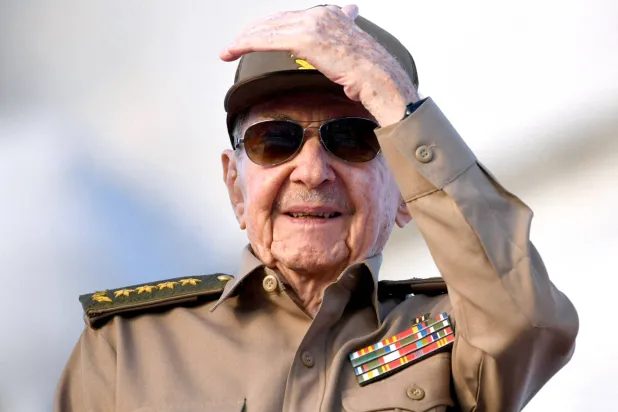
- President Trump has again raised the possibility of US military intervention in Cuba, a threat that gains significance following the announcement of criminal charges against Raúl Castro.
- Secretary of State Marco Rubio expressed doubt about the likelihood of a diplomatic resolution with Cuba's current government, despite it being the US's preference.
- The US has imposed new sanctions on Cuba and is reportedly unimpressed with recent talks, indicating a serious intent to address national security concerns related to Cuba's ties with US adversaries.
The Trump administration is signaling a significantly tougher stance on Cuba, with President Trump himself suggesting he may be the one to finally take action after decades of consideration. This renewed threat of intervention, coupled with the unsealing of charges against former Cuban leader Raúl Castro, underscores a hardening of US policy. While the administration, through Secretary of State Marco Rubio, maintains that a peaceful, negotiated agreement is the preferred outcome, Rubio's candid assessment of the low likelihood of such a resolution with the current Cuban leadership speaks volumes.
Other presidents have looked at this for 50, 60 years, doing something... And, it looks like I’ll be the one that does it. So, I would be happy to do it.
Rubio, whose own background as the son of Cuban immigrants lends a particular weight to his words on this issue, articulated the administration's view that Cuba poses a long-standing national security threat due to its alliances with US adversaries. The recent round of talks with Cuban officials, which included top national security advisors, has apparently yielded little progress from the US perspective. This dissatisfaction has led to further sanctions, signaling that the US is not content to simply 'wait out' the current Cuban government as it may have done in the past.
Trump's “preference is always a negotiated agreement that’s peaceful. That’s always our preference. That remains our preference with Cuba,”
What makes this situation particularly noteworthy from a regional perspective is the directness of the rhetoric and the potential for escalation. Unlike previous administrations that may have pursued more nuanced diplomatic or economic strategies, the Trump administration appears more willing to openly brandish the threat of military action. While Rubio insists the focus is on addressing a national security risk rather than 'nation-building,' the implications for regional stability are significant. The charges against Castro, specifically related to the 1996 shootdown of civilian planes, add a historical and deeply personal layer to the ongoing tensions, highlighting a long-standing grievance that continues to fuel current US policy.
I’m just being honest with you, you know, the likelihood of that happening, given who we’re dealing with right now, is not high.
About this summary
Originally published by Asharq Al-Awsat in English. Translated, summarized, and contextualized automatically by DistantNews, with a note on how the source frames the story. Not individually reviewed before publishing. How this works.
More Stories

From Our Blog

News in Translation: What Gets Lost, and How We Keep the Framing

Diaspora Media: How Communities Abroad Follow Home

Traveling Where the Press Is Not Free: How to Read the News There

The Digital Nomad's Guide to Local News

The Same Story, Different Countries: How Coverage Changes at the Border
