


Trump's Hormuz toll proposal draws criticism; Iran agrees in principle
Translated from Korean, summarized and contextualized by DistantNews.
At a glance
News
Sources not specified
Context piece
- U.S. President Donald Trump proposed a "security cost" of 20% on all cargo passing through the Strait of Hormuz.
- This could amount to approximately $30 million per supertanker, 15 times Iran's current toll.
- Iran's foreign minister agreed with the principle of compensation for ensuring safe passage but called the U.S. demand excessive.
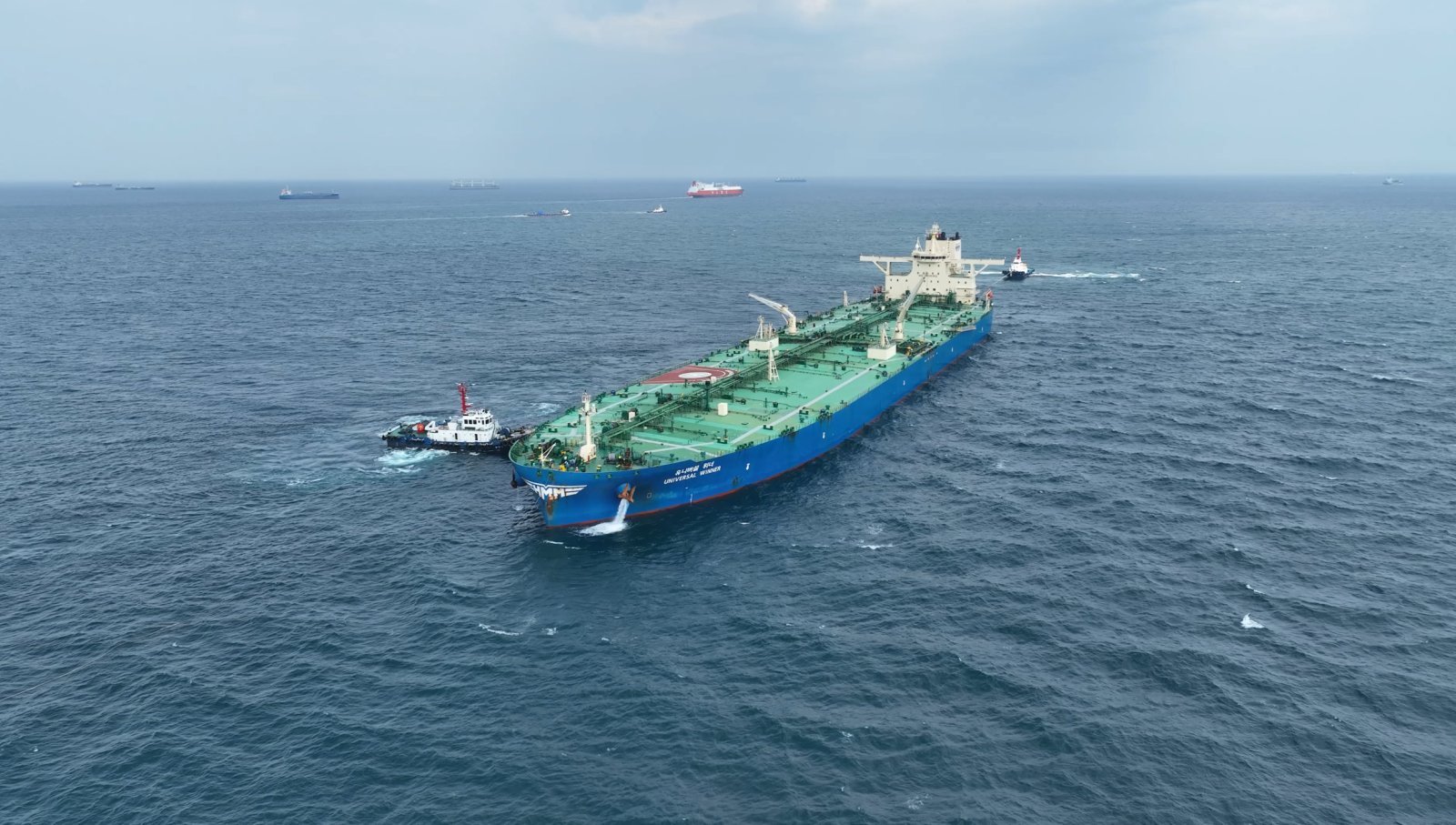
U.S. President Donald Trump has proposed imposing a "security cost" of 20% on the value of all cargo transiting the Strait of Hormuz. This initiative, if implemented, could significantly increase the financial burden on shipping companies operating in the vital waterway.
An analysis suggests that for a Very Large Crude Carrier (VLCC) transporting approximately 2 million barrels of oil, the proposed cost, based on current international oil prices around $80 per barrel, would be around $30 million. This figure is roughly 15 times the $2 million fee Iran has historically charged for passage through the strait under a similar pretext.
he who guarantees safe passage should be compensated is entirely correct
Industry insiders have reacted critically, with one anonymous maritime official describing the U.S. proposal as "highway robbery." Many shipping companies reportedly received no prior warning about this policy shift. The White House has yet to provide specific details on the implementation or coordination with Gulf allies.
Despite the criticism, Iran's Foreign Minister Abbas Araghchi responded to Trump's remarks via X (formerly Twitter), stating that the U.S. president's assertion that "he who guarantees safe passage should be compensated is entirely correct." However, Araghchi also qualified this by saying the proposed 20% fee is "excessive" and that Iran would handle tolls "fairly."
the U.S. demand is excessive
DistantNews Editorial
Originally published by Dong-A Ilbo in Korean. Translated, summarized, and contextualized by our editorial team with added local perspective. Read our editorial standards.
More Stories


From Our Blog

What Gets Lost (and Found) When News Is Translated

The Critical Role of Diaspora Media in Global News

What Travellers Should Know About Countries with Restricted Press

A Digital Nomad's Guide to Following Local News

How the Same Story Looks Different in Different Countries
