

Trump's 'Impulsive Flip-Flopping' Frustrates Over Iran Stalemate: NYT
Translated from Korean, summarized and contextualized by DistantNews.
At a glance
News
Named sources
Context piece
- U.S. President Donald Trump is reportedly showing increased impulsiveness and frustration due to the stalemate in the Iran conflict.
- Allies and advisors suggest Trump feels trapped by the war, leading to unpredictable decision-making.
- This behavior extends beyond foreign policy, impacting domestic initiatives and his own political messaging.
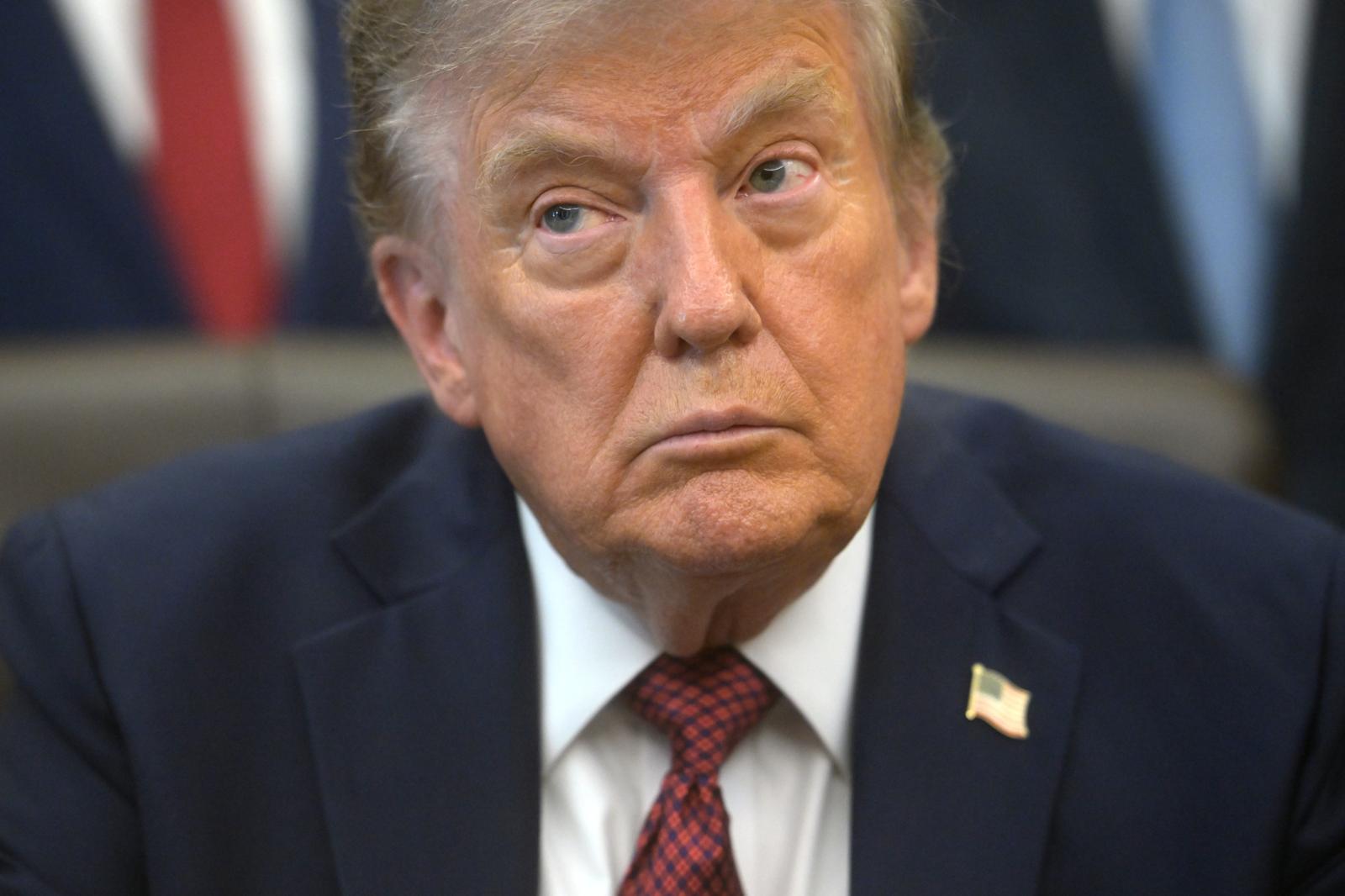
The stalemate in the Iran conflict is reportedly fueling frustration and impulsiveness in U.S. President Donald Trump's leadership, according to a New York Times report. Allies and advisors suggest the president feels increasingly trapped by the war, which lacks a clear exit strategy, leading to more erratic decision-making.
Trump has recently wavered on military actions against Iran, first signaling a resumption of airstrikes and then abruptly halting them after 13 days. This indecisiveness followed concerns raised by Vice President J.D. Vance and military commanders about the effectiveness of the bombings and the risks of escalation.
Beyond the Iran conflict, Trump's administration has seen a pattern of reversed decisions. He recently agreed to a nuclear cooperation agreement with Saudi Arabia, only to attach conditions related to Israel normalization the next day. He also withdrew a proposed fee for cargo ships transiting the Strait of Hormuz just one day after announcing it.
This volatile approach is also affecting domestic policy. A bipartisan bill to boost housing supply was unexpectedly put on hold by Trump just before a signing ceremony, highlighting growing friction between the president and Republican senators. Furthermore, Trump's repeated allusions to a potential fourth presidential run, including wearing a "Trump 2028" hat, add to the perception of unpredictable political maneuvering.
The president himself has become consumed by the war, which has no exit.
DistantNews Editorial
Originally published by Dong-A Ilbo in Korean. Translated, summarized, and contextualized by our editorial team with added local perspective. Read our editorial standards.
More Stories

From Our Blog

What Gets Lost (and Found) When News Is Translated

The Critical Role of Diaspora Media in Global News

What Travellers Should Know About Countries with Restricted Press

A Digital Nomad's Guide to Following Local News

How the Same Story Looks Different in Different Countries
