


Trump's Influence to Persist Post-Midterms, Potentially Increasing Pressure on South Korea
Translated from Korean, summarized and contextualized by DistantNews.
At a glance
Analysis
Named sources
Context piece
- A South Korean expert predicts that even if the Republican Party loses the U.S. midterm elections, President Trump's influence will remain strong, potentially leading to increased pressure on South Korea.
- Trump may aggressively use trade and security powers, demanding more from South Korea regarding arms purchases, security roles, and trade negotiations.
- The expert suggests Trump's pursuit of North Korea talks is driven by business interests and a desire to leave a political legacy, potentially reshaping Northeast Asian policy.
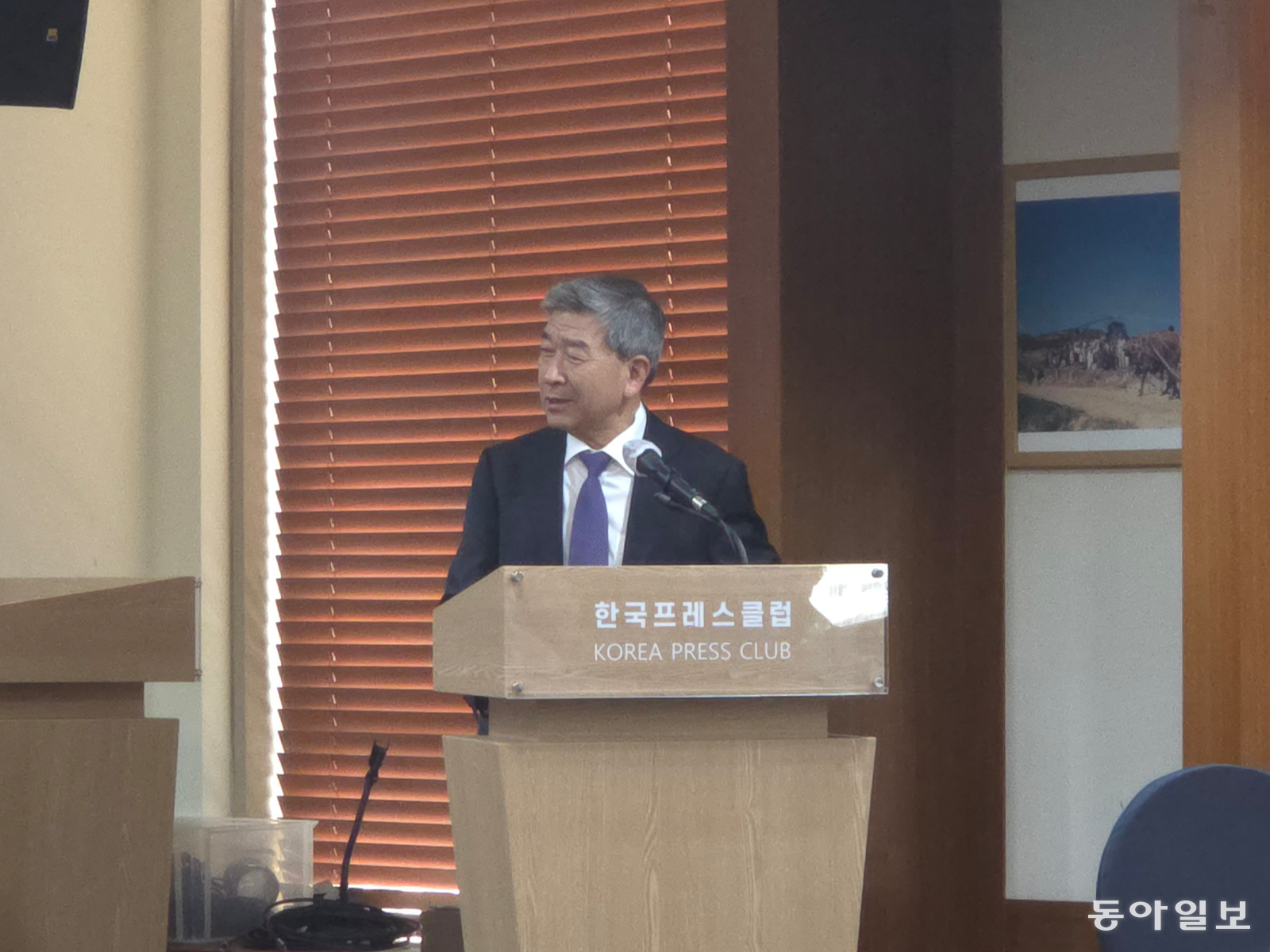
Even if the Republican Party loses control of the House in the upcoming U.S. midterm elections, President Donald Trump's influence will likely remain potent, potentially intensifying pressure on South Korea, according to Kim Dong-seok, president of the Korean American Voters' Council. Kim predicts that while Trump's legislative power might wane, his executive authority could become even more assertive.
Kim warned that a "legislative President Trump" might become an "administrative President Trump" who clashes with Congress, aggressively wielding trade and security powers. South Korea should prepare for a president who might demand increased arms purchases and a larger security role, while continuing to use trade leverage, such as Section 301 of the Trade Act, to pressure Seoul on issues like batteries, semiconductors, steel, and shipbuilding. This approach stems from Trump's "business-minded" perspective, potentially linking his family's global business empire with authoritarian leaders.
South Korea should not bet its policies on the expectation that Trump will be weakened by the midterm elections.
Furthermore, Kim anticipates that Trump will continue to pursue summits with North Korean leader Kim Jong Un, regardless of the midterm election outcome. This pursuit is likely motivated by a desire to divert attention from other issues, such as potential conflicts in the Middle East, to solidify his political legacy, and to pursue business opportunities. Kim pointed to Trump's past discussions about North Korea's development potential during summits in Singapore and Hanoi, suggesting that U.S.-North Korea relations should be viewed through Trump's "business-oriented" lens.
Traditional U.S. foreign policy experts express significant concern over Trump's potential unilateral reduction of joint military drills with South Korea to facilitate North Korea talks, fearing it could undermine deterrence against North Korea and China. Kim noted that within Washington's foreign policy establishment, there is a unified voice expressing deep concern about North Korea's nuclear program and the potential erosion of deterrence. He believes this period could mark a significant shift in U.S. policy toward Northeast Asia. Kim advised South Korea to move beyond a "linear diplomacy" focused solely on the White House and U.S. Trade Representative, advocating instead for a "multi-layered network" engaging with various congressional committees, state governors, and local representatives. He stressed the importance of framing South Korea's contributions in terms of the U.S. domestic political language, highlighting job creation, supply chain contributions, and tax revenue in specific congressional districts.
The traditional Washington foreign policy and security experts are very concerned about the undermining of nuclear deterrence against North Korea and China.
DistantNews Editorial
Originally published by Hankyoreh in Korean. Translated, summarized, and contextualized by our editorial team with added local perspective. Read our editorial standards.
More Stories

From Our Blog

What Gets Lost (and Found) When News Is Translated

The Critical Role of Diaspora Media in Global News

What Travellers Should Know About Countries with Restricted Press

A Digital Nomad's Guide to Following Local News

How the Same Story Looks Different in Different Countries
