


Trump's Iran Deal Redraws Middle East Power Map, Critics Warn of Versailles Echoes
Translated from Spanish, summarized and contextualized by DistantNews.
At a glance
News
Sources not specified
Context piece
- Donald Trump signed a deal with Iran, which international observers widely view as beneficial to Tehran.
- The agreement does not resolve core conflicts with Iran, including its nuclear program, and follows a U.S. war that failed to achieve its objectives.
- Analysts suggest the deal might signal a U.S. withdrawal from the Middle East, while Iran perceives itself as the victor.
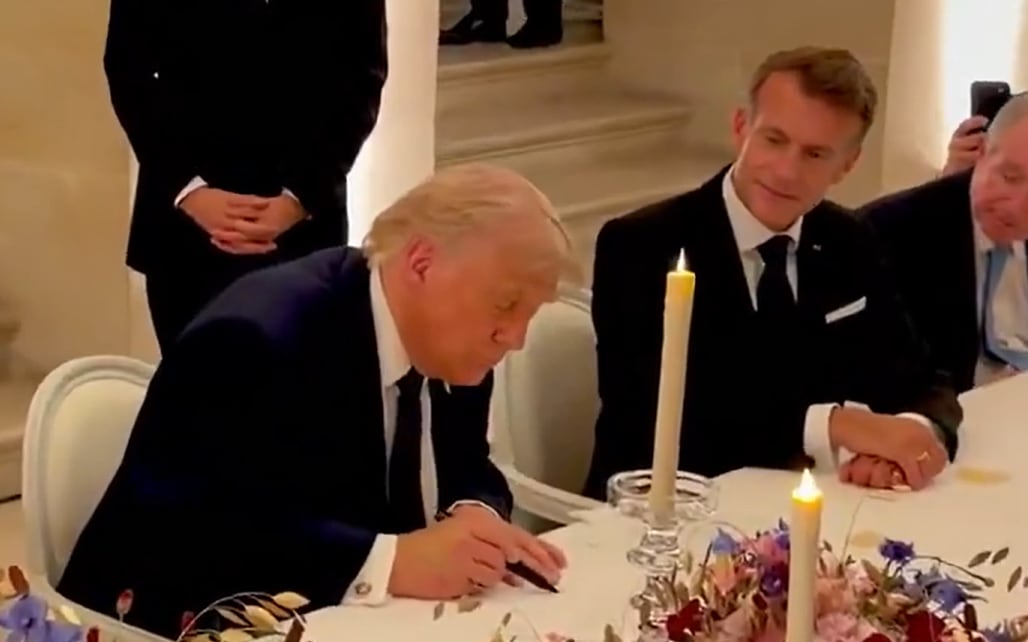
Donald Trump's recent agreement with Iran, signed during a visit to Versailles, has drawn widespread international criticism. Observers, including The Economist's Middle East correspondent Gregg Carlstrom, have likened the situation to the Treaty of Versailles, which ended World War I but ultimately failed to secure lasting peace. Carlstrom ironically noted that agreements ending wars at Versailles are "famously durable," hinting at the potential for future conflict.
The deal, described as a "declaration of goodwill" to initiate a 60-day dialogue, is seen as precarious, especially following Israel's recent escalation in Lebanon. The agreement does not address fundamental issues with the Islamic Republic, particularly its nuclear ambitions. This comes after a U.S. military campaign that failed to achieve its stated goals, such as regime change or the dismantling of Iran's missile infrastructure.
If history teaches us anything, it is that agreements that end wars signed in the Palace of Versailles are famously durable.
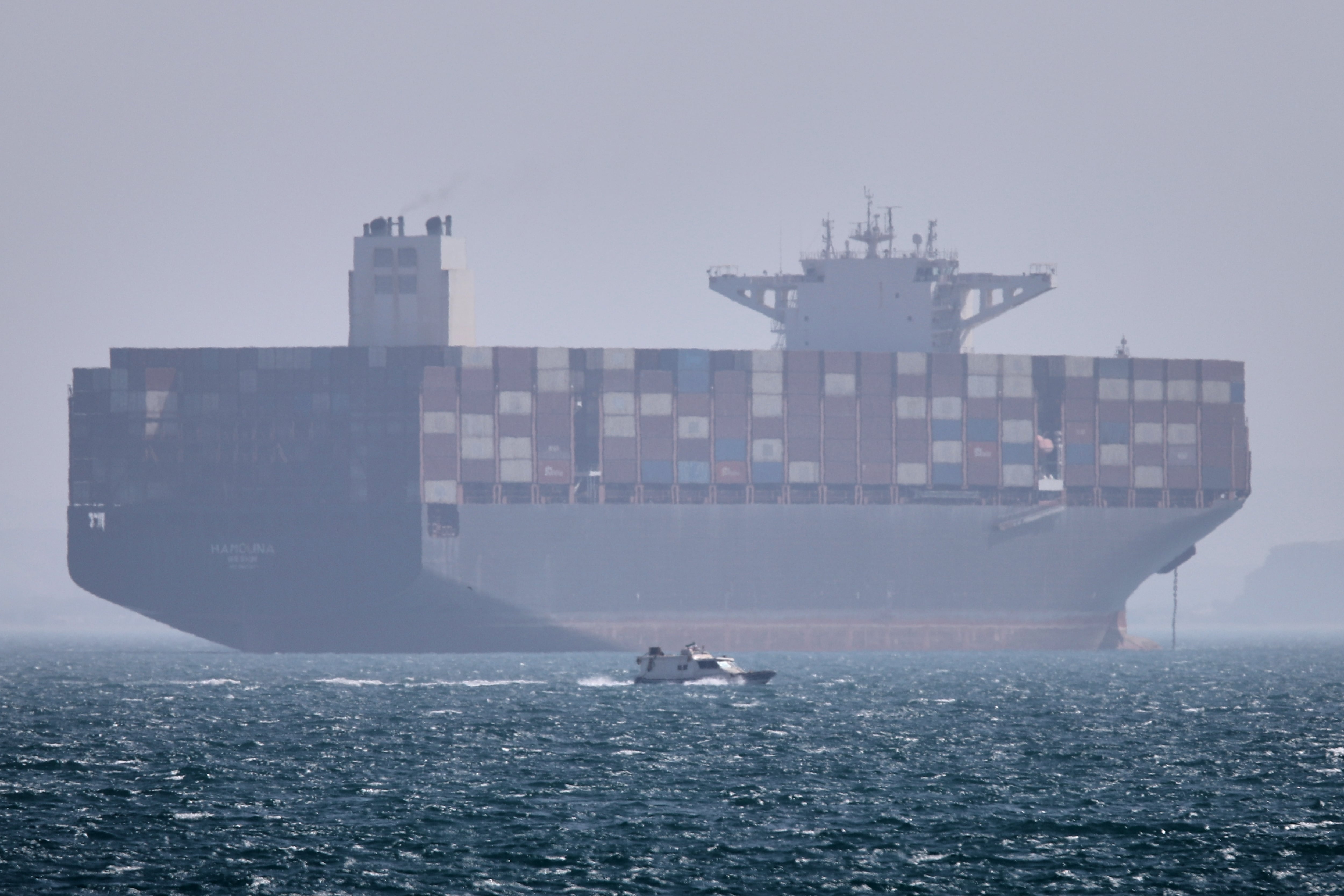
Trump himself invoked history to justify the accord, reportedly not wanting to be remembered like Herbert Hoover, the president associated with the Great Depression. He framed the decision as a move to avert an "economic catastrophe," despite the known consequences of initiating a conflict that would inevitably drive up oil prices. Some analysts argue that if the initial war was a mistake, halting it now is a damage-control measure. Iran's closure of the Strait of Hormuz during the conflict had already sent shockwaves through global energy markets, contributing to rising fuel and food prices and social unrest in various countries, including Bolivia and Chile. These effects were also beginning to impact American voters ahead of the November elections.
However, the agreement is poised to mark a significant turning point for the Middle East. The Atlantic suggests this moment could be remembered as the beginning of America's withdrawal from the region. Meanwhile, Iran appears to view itself as the clear winner in this complex geopolitical maneuver.
The Trump-Iran deal could be remembered as the moment the United States began its withdrawal from the Middle East.
DistantNews Editorial
Originally published by La Nación in Spanish. Translated, summarized, and contextualized by our editorial team with added local perspective. Read our editorial standards.
More Stories


From Our Blog

What Gets Lost (and Found) When News Is Translated

The Critical Role of Diaspora Media in Global News

What Travellers Should Know About Countries with Restricted Press

A Digital Nomad's Guide to Following Local News

How the Same Story Looks Different in Different Countries
