

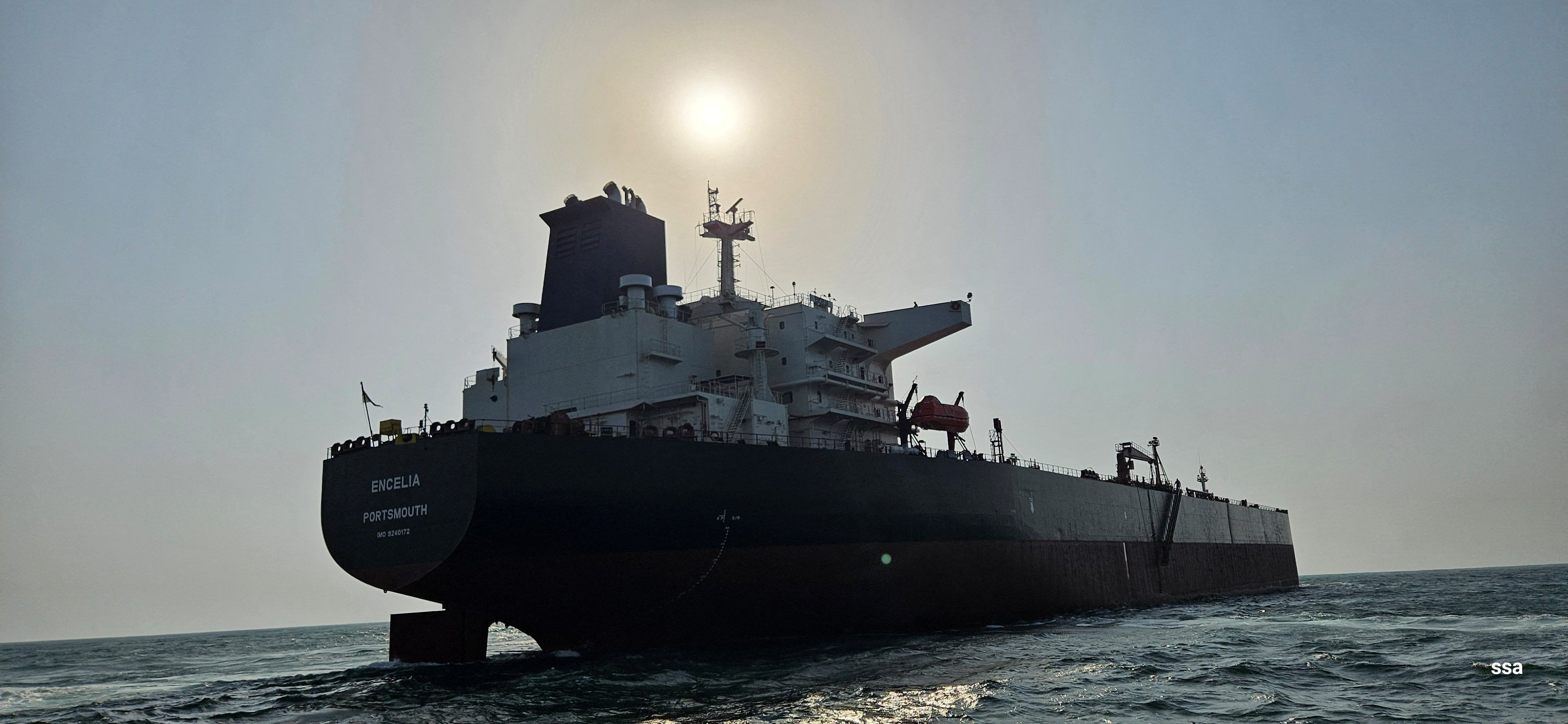

Trump's nuclear gambit: Enabling Saudi enrichment after targeting Iran
Translated from Spanish, summarized and contextualized by DistantNews.
At a glance
Opinion
Sources not specified
Context piece
- President Trump's decision to allow Saudi Arabia to develop nuclear enrichment facilities is questioned, given his stated aim to prevent Iran from obtaining nuclear weapons.
- The move raises concerns about a potential new nuclear arms race in a world where power often overrides law.
- The article also touches on Trump's controversial proposal for FIFA President Gianni Infantino to become the next UN Secretary-General.
President Trump's recent decision to approve a nuclear cooperation agreement with Saudi Arabia has drawn sharp criticism, particularly in light of his administration's stated objective to prevent Iran from acquiring nuclear weapons. Critics argue that enabling Saudi Arabia to pursue its own nuclear fuel enrichment program, even for civilian purposes, represents a significant step toward potentially developing nuclear weapons, thereby risking a new arms race. This move is seen as particularly concerning in a global landscape where geopolitical power dynamics often supersede international law and treaties.
The author frames this decision within a broader, critical perspective of Trump's actions and perceived motivations. The article suggests that Trump's "narcissism" might drive him to seek actions that could lead to global instability, even contemplating a scenario where his legacy is tied to catastrophic events. This is further illustrated by the mention of Trump's alleged desire for FIFA President Gianni Infantino, a figure described as widely disliked, to assume the role of UN Secretary-General, a move the author suggests would guarantee global discord.
In stark contrast to these perceived destabilizing actions, the article references a speech by Tom Cruise at the opening ceremony of a World Cup final. Cruise's address, which lauded football as a "language that is spoken without words" and a "force that unites people," is presented as a hopeful message for global understanding and peace. However, the author laments that the subsequent match, described as the "least great match in the history of the World Cup," failed to live up to this ideal. The piece concludes by noting a shift in global sentiment, suggesting that events over the past four years, possibly influenced by the return of leaders like Trump and Argentina's Javier Milei, have altered the balance, leading to a less unified and more contentious international atmosphere.
DistantNews Editorial
Originally published by La Vanguardia in Spanish. Translated, summarized, and contextualized by our editorial team with added local perspective. Read our editorial standards.
More Stories
From Our Blog

What Gets Lost (and Found) When News Is Translated

The Critical Role of Diaspora Media in Global News

What Travellers Should Know About Countries with Restricted Press

A Digital Nomad's Guide to Following Local News

How the Same Story Looks Different in Different Countries
