

Trump's Popularity Wanes as Americans Grow Pessimistic About Economy, Survey Finds
Translated from Romanian, summarized and contextualized by DistantNews.
At a glance
News
Documents & data
Context piece
- A recent CNBC survey indicates growing American pessimism about the economy, with 61% of respondents feeling negative about future financial prospects.
- Nearly half of Americans report cutting back on essential spending like food and healthcare, while two-thirds have reduced non-essential purchases.
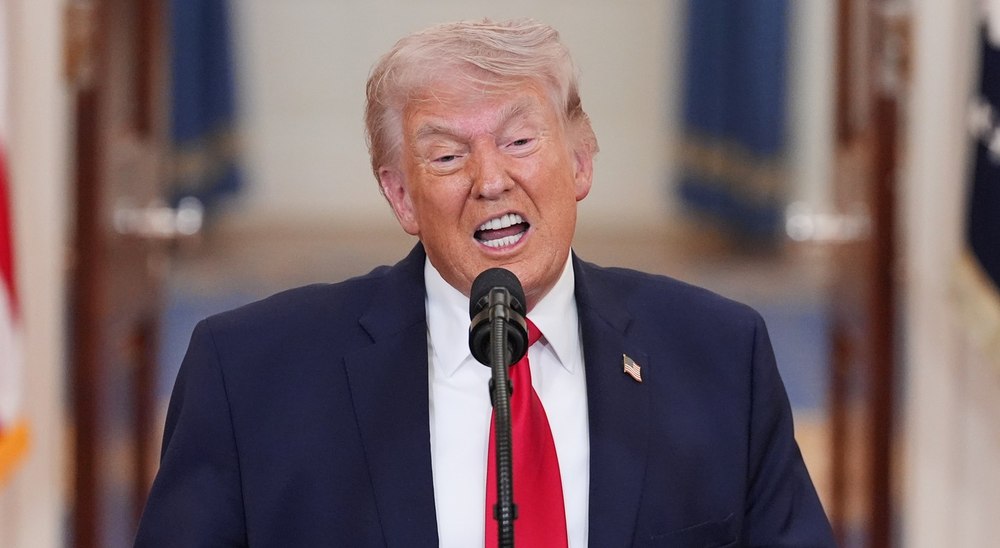
- Donald Trump's popularity remains low, with 59% disapproving of his performance and 60% specifically disapproving of his economic management.
A significant majority of Americans are expressing growing concern over the economic situation and their personal financial futures, despite high stock market levels and falling fuel prices. The latest CNBC All-America Economic Survey reveals that 61% of respondents are pessimistic about the economy, the highest level recorded since late 2023, with only 25% reporting optimism.
The economic anxieties are translating into tangible spending cuts. The survey found that 47% of Americans have reduced their spending on essential goods and services, including food and healthcare. Furthermore, almost two-thirds of respondents have scaled back on non-essential expenditures such as dining out, entertainment, and other discretionary purchases. Reductions in travel and credit card usage are also being reported.
These financial pressures disproportionately affect lower-income households. The survey indicates that 60% of individuals earning less than $30,000 annually have been forced to cut back on essential spending, compared to 35% of those earning over $100,000. This widespread economic discontent is occurring against a backdrop of continued low approval ratings for President Donald Trump.
The survey shows Trump with a 40% approval rating, while 59% disapprove of his job performance. His economic stewardship is particularly criticized, with 60% of Americans disapproving of his handling of the economy. Inflation and the cost of living are also major concerns, with 68% disapproving of the administration's management of these issues. Even foreign policy, specifically the conflict with Iran, draws disapproval from 63% of Americans.
Despite the public's economic dissatisfaction, the opposition party has not fully capitalized on it. The Democratic Party holds only a four-percentage-point advantage in voter preferences for control of Congress, a margin unchanged since April. While Democrats are seen as more competent in managing the cost of food, housing, and healthcare, Republicans maintain a clear advantage on immigration and border security. Public support for military intervention in Iran has also seen a slight decline.
DistantNews Editorial
Originally published by Adevărul in Romanian. Translated, summarized, and contextualized by our editorial team with added local perspective. Read our editorial standards.
More Stories



From Our Blog

What Gets Lost (and Found) When News Is Translated

The Critical Role of Diaspora Media in Global News

What Travellers Should Know About Countries with Restricted Press

A Digital Nomad's Guide to Following Local News

How the Same Story Looks Different in Different Countries
