


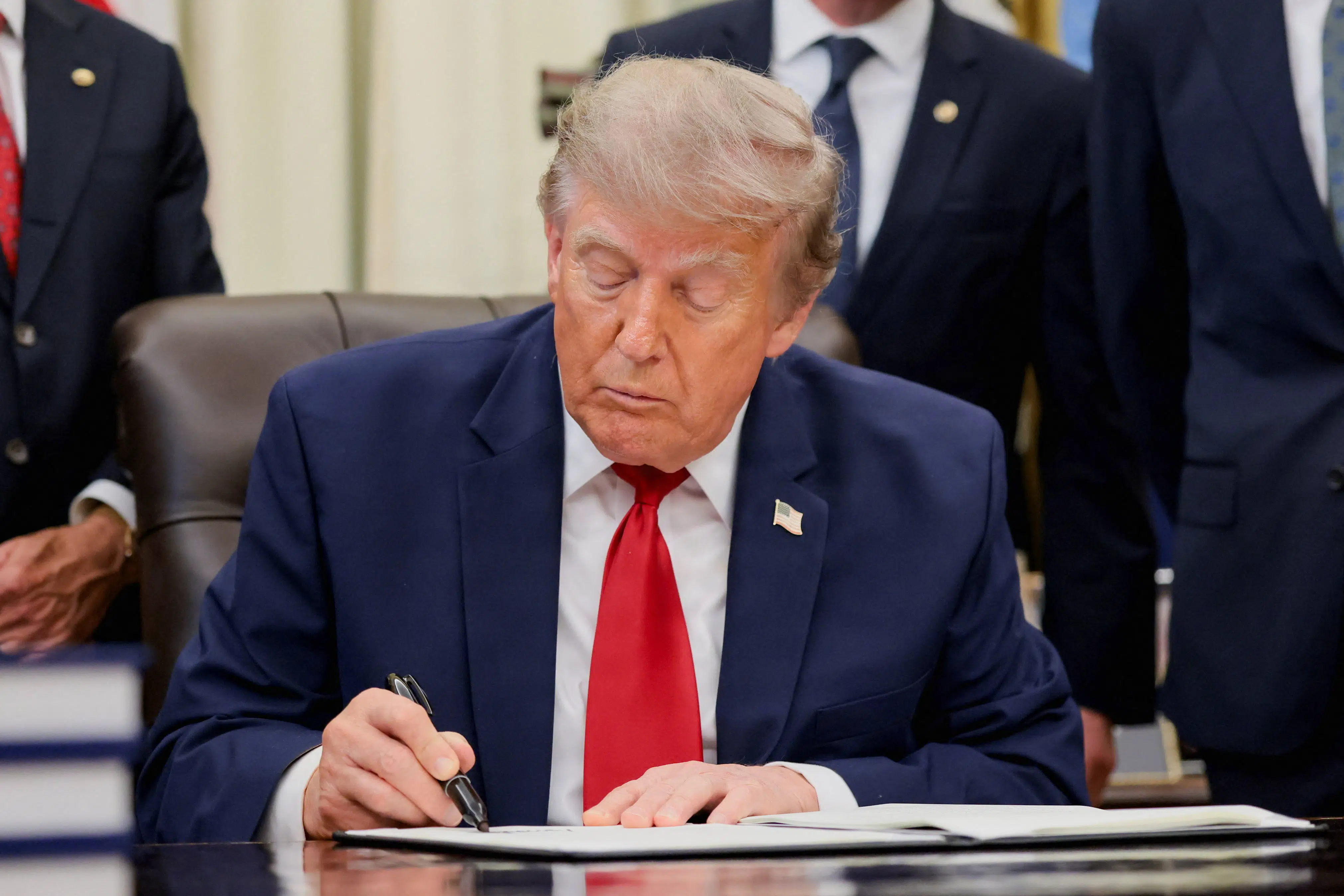
Trump's unrealistic demand hinders reopening; Strait of Hormuz may not be free again
Translated from Danish, summarized and contextualized by DistantNews.
At a glance
Analysis
Sources not specified
Context piece
- Donald Trump has declared the U.S. as the "Guardian of the Strait of Hormuz" and proposed a 20% tariff on cargo passing through.
- Analysts warn this could slow the global economy and increase consumer prices if implemented.
- The proposal faces numerous unanswered questions and potential economic repercussions.
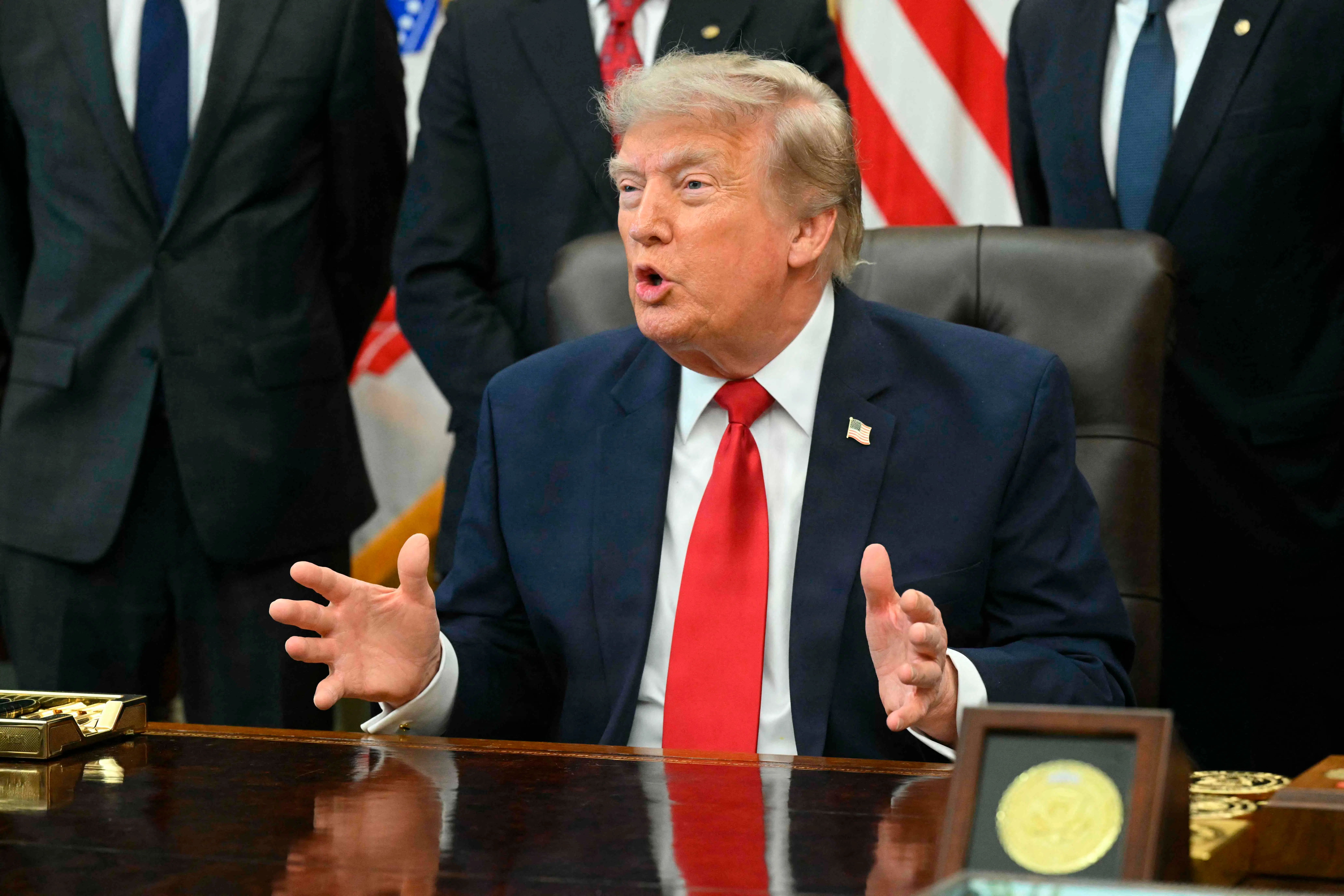
Former U.S. President Donald Trump has asserted that the United States is the "Guardian of the Strait of Hormuz" and proposed implementing a 20% tariff on all cargo shipments traversing the vital waterway. This move, if enacted, could have significant global economic consequences. Analysts caution that such a tariff could potentially slow down the world economy and lead to increased consumer prices. The Strait of Hormuz is a critical chokepoint for global oil transportation, and any disruption or increased cost associated with its passage could have far-reaching effects. Trump's declaration and proposal raise questions about U.S. foreign policy objectives and its role in international trade routes. The economic implications are substantial, and many uncertainties remain regarding the feasibility and ultimate impact of this proposed tariff. The move suggests a potential shift in how the U.S. views its involvement in securing international shipping lanes and extracting economic benefits from them.
DistantNews Editorial
Originally published by Berlingske in Danish. Translated, summarized, and contextualized by our editorial team with added local perspective. Read our editorial standards.
More Stories

From Our Blog

What Gets Lost (and Found) When News Is Translated

The Critical Role of Diaspora Media in Global News

What Travellers Should Know About Countries with Restricted Press

A Digital Nomad's Guide to Following Local News

How the Same Story Looks Different in Different Countries
