


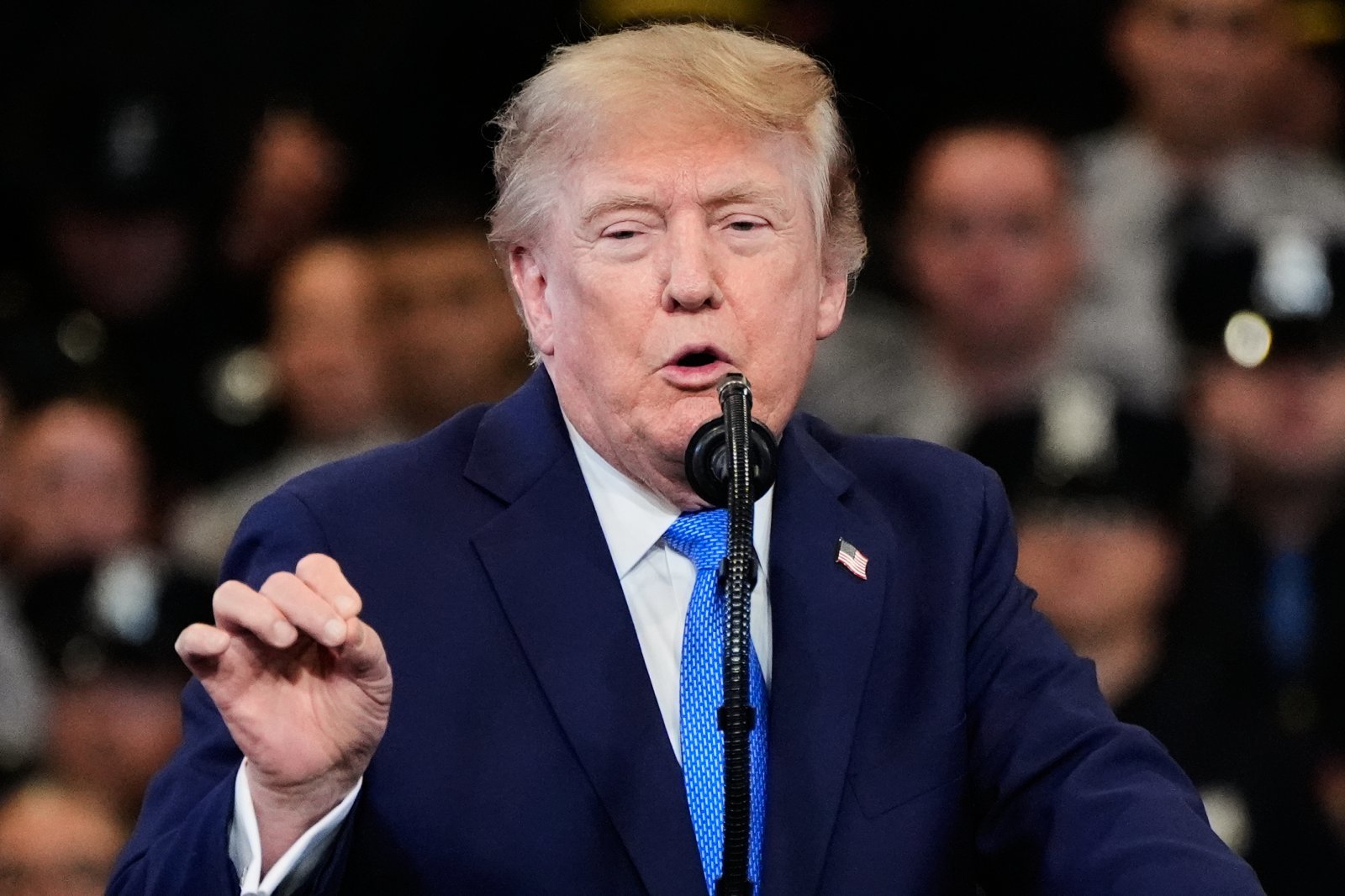
Trump Shifts to Economic War Instead of Iran Bombing; China's Cooperation Key
Translated from Korean, summarized and contextualized by DistantNews.
At a glance
News
Named sources
New plan
- The Trump administration is shifting its strategy against Iran from potential military action to economic warfare.
- This move is seen as a response to domestic anti-war sentiment and the upcoming November midterm elections.
- The success of this economic pressure campaign hinges on cooperation from allies and particularly China.
The Trump administration has signaled a move away from large-scale military operations against Iran, opting instead for a significant "economic war." This strategic shift is interpreted as a response to mounting anti-war sentiment within the United States and the political pressure of the upcoming November midterm elections. President Trump announced an "economic D-Day" targeting Iran, with Treasury Secretary Steven Mnuchin set to reveal specific economic pressure plans on August 24. The administration is seeking cooperation from allies and crucially, from China, to implement these measures.
U.S. officials, including Mnuchin, have indicated that the economic pressure will be intensified, potentially including secondary sanctions on third-country companies that do business with Iran. This strategy acknowledges the challenges of a prolonged conflict. Despite months of attacks by the U.S. and Israel, Iran has not surrendered, and the Strait of Hormuz has not been fully normalized. The ongoing tensions have led to rising oil prices and an increase in U.S. casualties, fueling domestic opposition to military action.
The administration's focus on economic pressure reflects a long-term strategy, recognizing that a direct military confrontation carries significant risks and costs. The failure to achieve a swift resolution through military means has pushed policymakers to explore alternative methods of coercion. The effectiveness of these economic sanctions will largely depend on the willingness of international partners to comply and the extent to which China, a major trading partner with Iran, cooperates with U.S. demands.
Reports suggest that the U.S. is preparing a second wave of sanctions that could target companies dealing with Iran, further isolating the country economically. This approach aims to cripple Iran's economy and force it to change its behavior without resorting to direct military engagement. The success of this economic warfare strategy remains to be seen, but it represents a significant recalibration of U.S. policy toward Iran.
DistantNews Editorial
Originally published by Dong-A Ilbo in Korean. Translated, summarized, and contextualized by our editorial team with added local perspective. Read our editorial standards.
More Stories


From Our Blog

What Gets Lost (and Found) When News Is Translated

The Critical Role of Diaspora Media in Global News

What Travellers Should Know About Countries with Restricted Press

A Digital Nomad's Guide to Following Local News

How the Same Story Looks Different in Different Countries
