

Trump signs Iran conflict framework deal, but peace remains distant
Translated from Hungarian, summarized and contextualized by DistantNews.
At a glance
News
Named sources
New plan
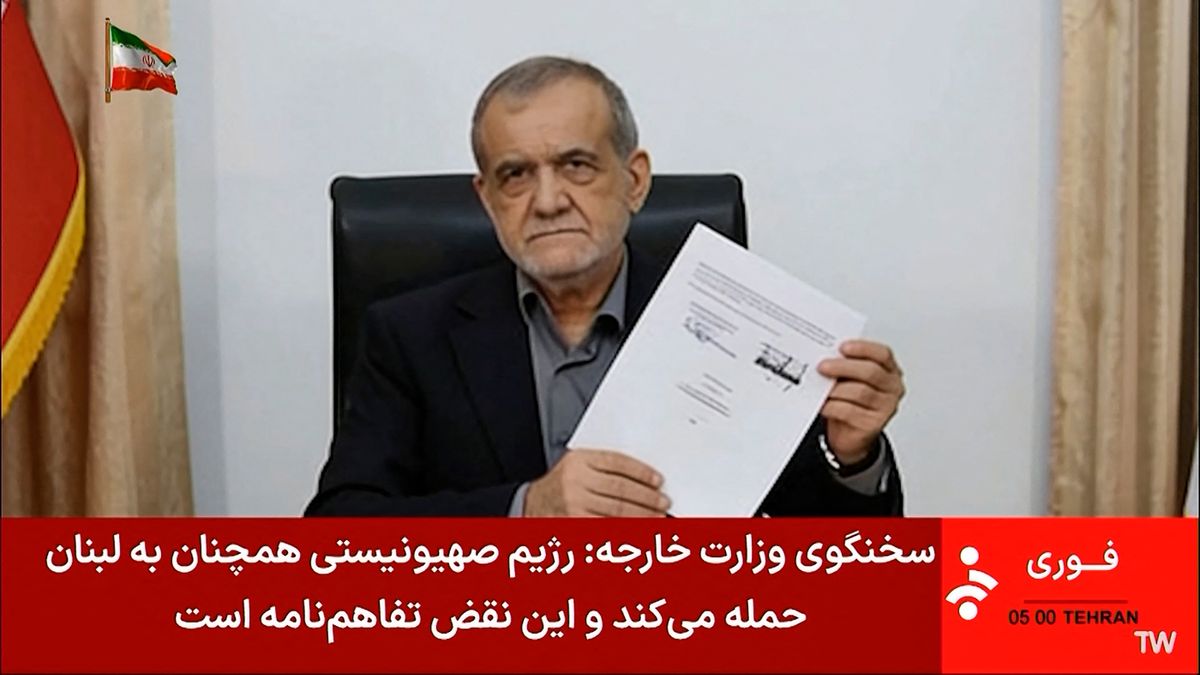
- U.S. President Donald Trump signed a framework agreement to end the conflict with Iran, which could lead to a reconciliation.
- The agreement includes Iran's insistence on protecting Lebanon, where Israel has military operations, though Israel is not a party to the deal.
- Israeli officials are reportedly surprised and consulting with the U.S. about the deal, with no immediate plans to withdraw from occupied Lebanese territories.
U.S. President Donald Trump has signed a framework agreement intended to conclude the conflict with Iran, potentially paving the way for reconciliation between the two nations. Trump hailed the signing, which took place at the Palace of Versailles, as a "great victory." Hezbollah leader Naim Qassem, representing the Iran-backed Lebanese Shiite militia, also claimed the agreement as a success for his organization.
A key point of contention in the negotiations was Iran's demand for protections for Lebanon, a region where Israel conducts military operations. While Israel is not a signatory to this agreement, the U.S. aims to secure Israeli withdrawal from Lebanese territories. Iran has agreed to restrain Hezbollah's activities in southern Lebanon. However, Israeli officials expressed surprise at the news and are reportedly in continuous consultation with the U.S. regarding the situation, indicating no immediate intention to retreat from their current positions.
Israel currently occupies approximately ten kilometers of territory in southern Lebanon, a move they justify as necessary to protect northern Israel from Hezbollah attacks. Reports suggest that despite the agreement, Israel does not intend to vacate these areas. According to the Israeli news portal Ynet, Israeli officials are hoping the deal, which they view as unfavorable, will not be fully implemented. Their strategy appears to be to maintain their presence in Lebanon at least until the U.S. midterm congressional elections in November, after which they believe opportunities for action against Iran may resurface.
For the Republican president, projecting an image of having "brought Iran to its knees" and secured regional stability, oil trade, and neutralized a long-term adversary is crucial for his political narrative. His political opponents might challenge these claims during the campaign, but doing so risks aligning them with Iran's position. Meanwhile, Israeli military officials, speaking anonymously to The Jerusalem Post, suggested that U.S. economic pressure was effective, pushing Iran to the brink of collapse. They believe that had the U.S. maintained its blockade, Iran would have been unable to resist, given its heavy reliance on oil exports. The blockade led to a significant buildup of unsold crude oil, straining storage capacity and forcing Iran to reduce production.
DistantNews Editorial
Originally published by Magyar Nemzet in Hungarian. Translated, summarized, and contextualized by our editorial team with added local perspective. Read our editorial standards.
More Stories
From Our Blog

Countries Without a Free Press: What You Need to Know

What Press Freedom Means for the News You Read

What Gets Lost (and Found) When News Is Translated

The Critical Role of Diaspora Media in Global News

What Travellers Should Know About Countries with Restricted Press
