

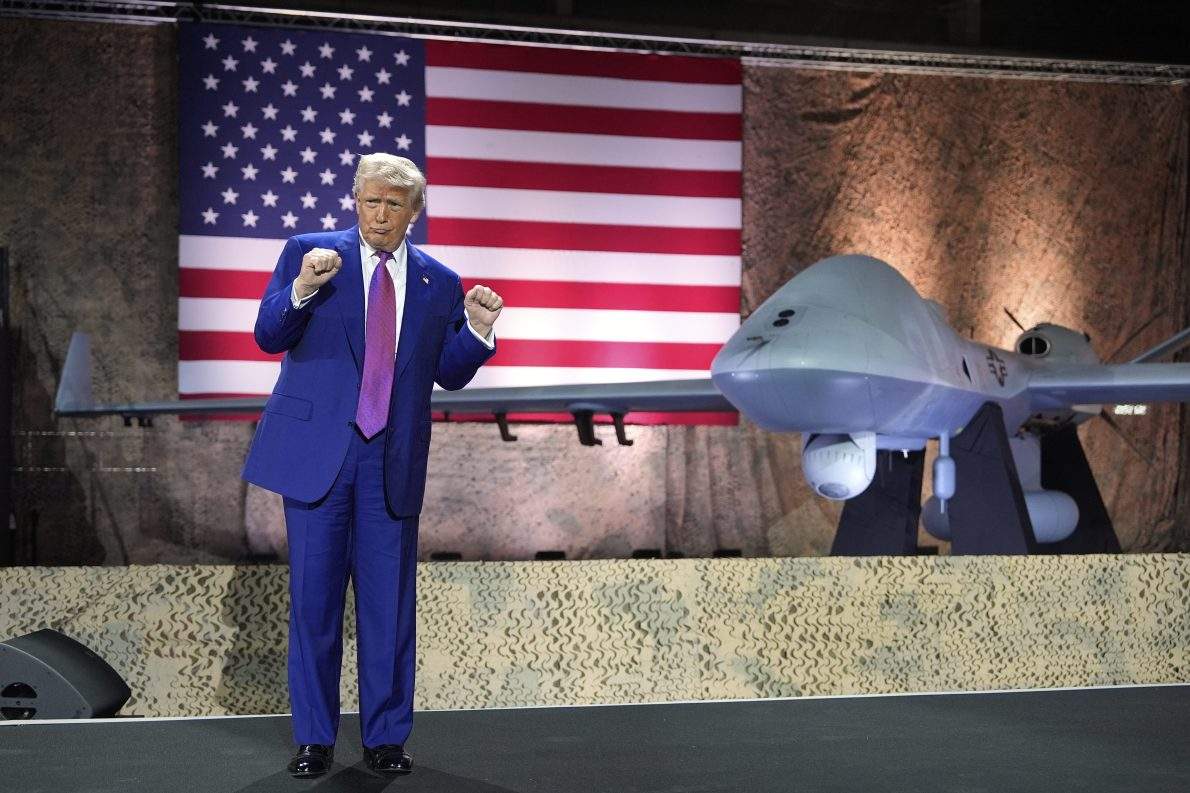
Trump slaps new tariffs on drones, including from some key U.S. allies
Summarized and contextualized by DistantNews.
At a glance
News
Named sources
New plan
- The U.S. will impose 100% tariffs on certain imported drones and their components, including those from key allies.
- The Trump administration cited national security concerns and over-reliance on foreign drone sources as justification for the tariffs.
- Tariffs will range from 10% to 25% depending on the drone's size, capabilities, and origin, taking effect in 21 to 180 days.
The United States is set to implement significant tariffs on imported drones and their parts, a move that will impact key U.S. allies. President Donald Trump announced the new measures, which the administration claims are necessary due to the nation's "too reliant" status on foreign drone manufacturers.
The tariffs will vary based on the drone's characteristics and origin. A 100% ad valorem tariff will be applied to drones of a certain size or with capabilities deemed sensitive for national security. Smaller drones will face a 25% tariff. Additionally, drones and components from the European Union, Japan, Liechtenstein, South Korea, Switzerland, and Taiwan will be subject to a 15% tariff, while those from the UK will incur a 10% tariff.
The Secretary found that import penetration from foreign producers of UAS is substantial and that the United States is too reliant on foreign sources of UAS and UAS components.
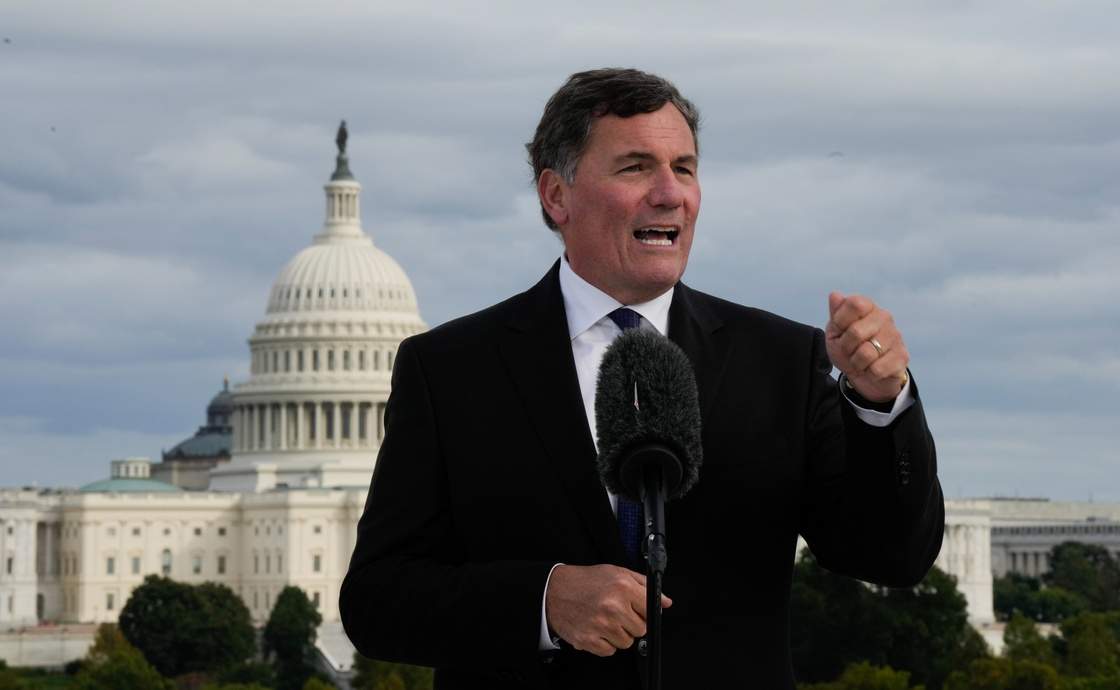
The White House stated that Commerce Secretary Howard Lutnick investigated the impact of drone imports. His findings indicated that foreign producers hold a substantial market share and that the U.S. lacks sufficient domestic production to meet its own needs. Lutnick also identified security and safety risks associated with drones and components from certain foreign entities.
These tariffs are scheduled to take effect within 21 days for sensitive items. For less sensitive components, the tariffs will be implemented after 180 days. Exemptions may apply to products approved by the Pentagon within 20 days of signing, with tariffs taking effect 180 days after signing. This action continues Trump's strategy of using tariffs as a central element of his trade and foreign policy, despite facing criticism and legal challenges.
The Secretary found that drone and drone components from certain foreign entities “pose security and safety risks” and that the domestic U.S. industry does not produce enough to meet security needs.
DistantNews Editorial
Originally published by Global News. Summarized and contextualized by our editorial team with added local perspective. Read our editorial standards.
More Stories

From Our Blog

What Gets Lost (and Found) When News Is Translated

The Critical Role of Diaspora Media in Global News

What Travellers Should Know About Countries with Restricted Press

A Digital Nomad's Guide to Following Local News

How the Same Story Looks Different in Different Countries
