


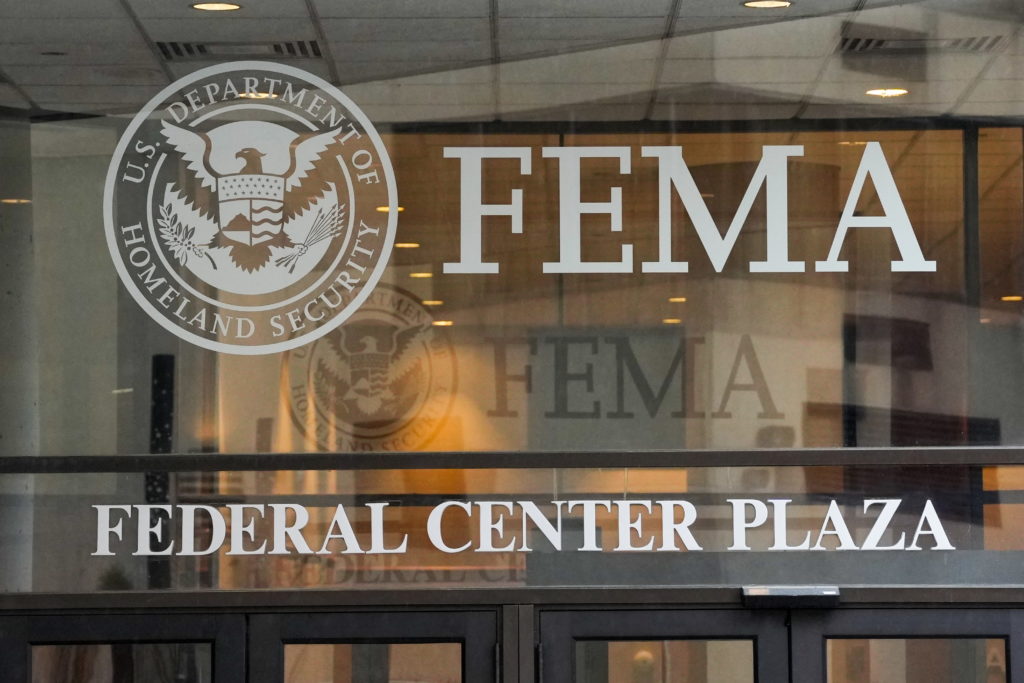
Trump Takes Longer to Approve Disaster Aid, Denies Democratic States More Often
Translated from English, summarized and contextualized by DistantNews.
At a glance
News
From a news agency
Context piece
- President Trump has taken longer to approve disaster aid requests compared to previous presidents since 1989, according to an Associated Press analysis.
- Trump has also shown a significant disparity in approving aid, denying requests from states that did not support him politically more frequently.
- This pattern of delays and partisan denials occurs as the Trump administration considers changes to the Federal Emergency Management Agency (FEMA).
President Donald Trump is taking longer on average to approve requests for major disaster declarations than any president since 1989, according to an Associated Press analysis of federal data. The delays are compounded by a notable pattern of partisan disparity in his decisions, with states that supported him politically receiving aid more frequently than those that did not.
Since taking office, Trump has approved approximately 65 requests for major disaster declarations while denying more than two dozen others from states, tribes, or territories seeking federal financial assistance following various natural disasters. The AP's analysis reveals that Trump has approved 80% of disaster requests from Republican governors but only about 60% from Democratic governors.
Trump has approved 80% of the disaster requests from Republican governors but only about 60% from Democratic governors.
The discrepancy is even more pronounced when examining major disaster declarations based on presidential election results. Trump has approved more than three-fourths of requests from states that voted for him in the 2024 election, but less than half of the requests from states that did not support him. This partisan divide in disaster declarations under Trump is wider than under any previous president dating back to 1989.
These delays and denials come at a time when the Trump administration is contemplating a significant overhaul of the Federal Emergency Management Agency (FEMA), which is responsible for administering disaster aid. Major disaster declarations are intended for events that overwhelm the resources of state and local governments, providing crucial federal financial assistance.
The President's denial is part of a pattern of extreme partisanship as he tries to shift a heavier economic burden onto blue states. Disaster aid should be merit-based, not politicized.
While federal criteria exist for disaster aid, the ultimate decision rests with the president's discretion. Critics argue that this discretion is being used in a politicized manner. For instance, a batch of denials earlier this month included four Democratic states, Massachusetts, New Jersey, New York, and Rhode Island, seeking aid for a February snowstorm. Rhode Island's Democratic U.S. Senate and House members stated in a joint statement that "The President's denial is part of a pattern of extreme partisanship as he tries to shift a heavier economic burden onto blue states. Disaster aid should be merit-based, not politicized."
White House spokesperson Abigail Jackson, however, stated that "there is no politicization to the President's decisions on disaster relief." Notably, during his first term, Trump actually approved a greater share of requests from states that had opposed him than from those that supported him, a contrast to the current trend.
There is no politicization to the President's decisions on disaster relief.
DistantNews Editorial
Originally published by PBS NewsHour in English. Translated, summarized, and contextualized by our editorial team with added local perspective. Read our editorial standards.
More Stories


From Our Blog

How the Same Story Looks Different in Different Countries

What Gets Lost (and Found) When News Is Translated

The Critical Role of Diaspora Media in Global News

What Travellers Should Know About Countries with Restricted Press

A Digital Nomad's Guide to Following Local News
