

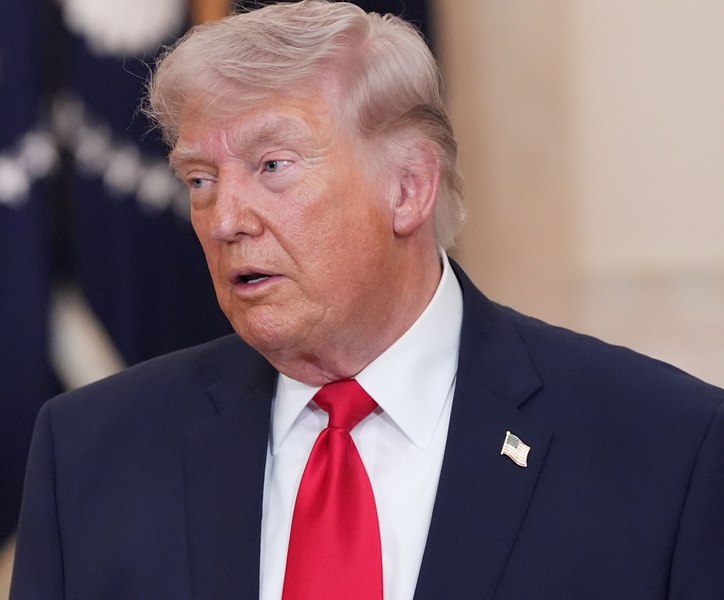
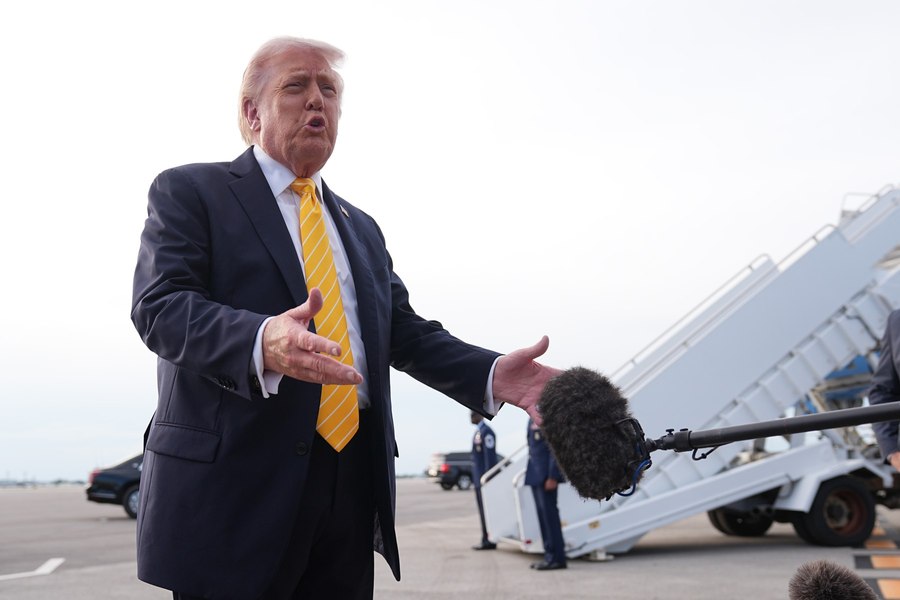
Trump threatens new Iran conflict escalation, risks repeating old mistakes
Translated from Romanian, summarized and contextualized by DistantNews.
At a glance
News
Named sources
Ongoing story
- The US is intensifying airstrikes on Iran and considering expanding military operations, aiming to reduce Iran's influence in the Strait of Hormuz and force concessions.
- Analysts believe further escalation is unlikely to yield concessions from Tehran and carries significant military and political risks, potentially strengthening the Iranian leadership.
- The conflict, now in its sixth day, impacts global energy markets and the world economy, with Iran threatening to extend threats to the Red Sea if its energy infrastructure is targeted.
President Donald Trump has escalated airstrikes against Iran and is contemplating expanding military operations, a move many analysts believe is unlikely to secure concessions from Tehran. The US administration seeks to curb Iran's influence in the Strait of Hormuz and compel the country to accept Washington's terms.
The conflict has intensified over six consecutive days. Iran has warned it might direct its Houthi allies in Yemen to block the Bab el-Mandeb strait at the entrance to the Red Sea if the US strikes Iranian energy infrastructure. Sources indicate Trump has discussed options including attacks on power plants, bridges, the Kharg Island oil terminal, or the "Pickaxe Mountain" nuclear facility.
the new attacks could have the opposite effect of what is sought, strengthening the position of the Iranian leadership instead of making them negotiate.
However, experts caution that such measures carry substantial military and political risks with a low probability of altering Iran's stance. Jonathan Panikoff, a former US intelligence official for the Middle East, suggests these actions could backfire, bolstering the Iranian leadership rather than pushing them toward negotiations. A senior Trump administration official stated the president favors diplomacy but believes Iran only responds to military pressure, and the US will continue to react to alleged Iranian attacks on shipping in the Strait of Hormuz.
Negotiations to formalize a provisional peace agreement are stalled, with a key dispute over control of the Strait of Hormuz, a vital oil transit route. Iran insists on a role in managing the waterway, while the US and its allies demand complete freedom of navigation. In response to renewed Iranian attacks on shipping, Washington has reinstated a blockade on Iranian ports and revoked waivers for its oil exports. Tehran, in turn, warns of potential strikes on US allies' civilian infrastructure in Gulf states and broader threats to oil traffic in the Red Sea if US escalation continues. Analysts warn that prolonging the conflict could further destabilize energy markets and the global economy without guaranteeing US objectives.
the president prefers a diplomatic solution, but believes that Iran only responds to military pressure and that the United States will continue to react to what they call Iranian attacks on navigation in Hormuz.
DistantNews Editorial
Originally published by Adevărul in Romanian. Translated, summarized, and contextualized by our editorial team with added local perspective. Read our editorial standards.
More Stories

From Our Blog

What Gets Lost (and Found) When News Is Translated

The Critical Role of Diaspora Media in Global News

What Travellers Should Know About Countries with Restricted Press

A Digital Nomad's Guide to Following Local News

How the Same Story Looks Different in Different Countries
